Kyoto特集
Beating the October coaches to Kyoto's Kiyomizu-dera
In late October the gates open at 06:00 and the coaches do not arrive until 09:00, time enough to walk down through Higashiyama and end at a lit garden.
文:Tomas AlmeidaKyoto's temples, backstreets and slow mornings
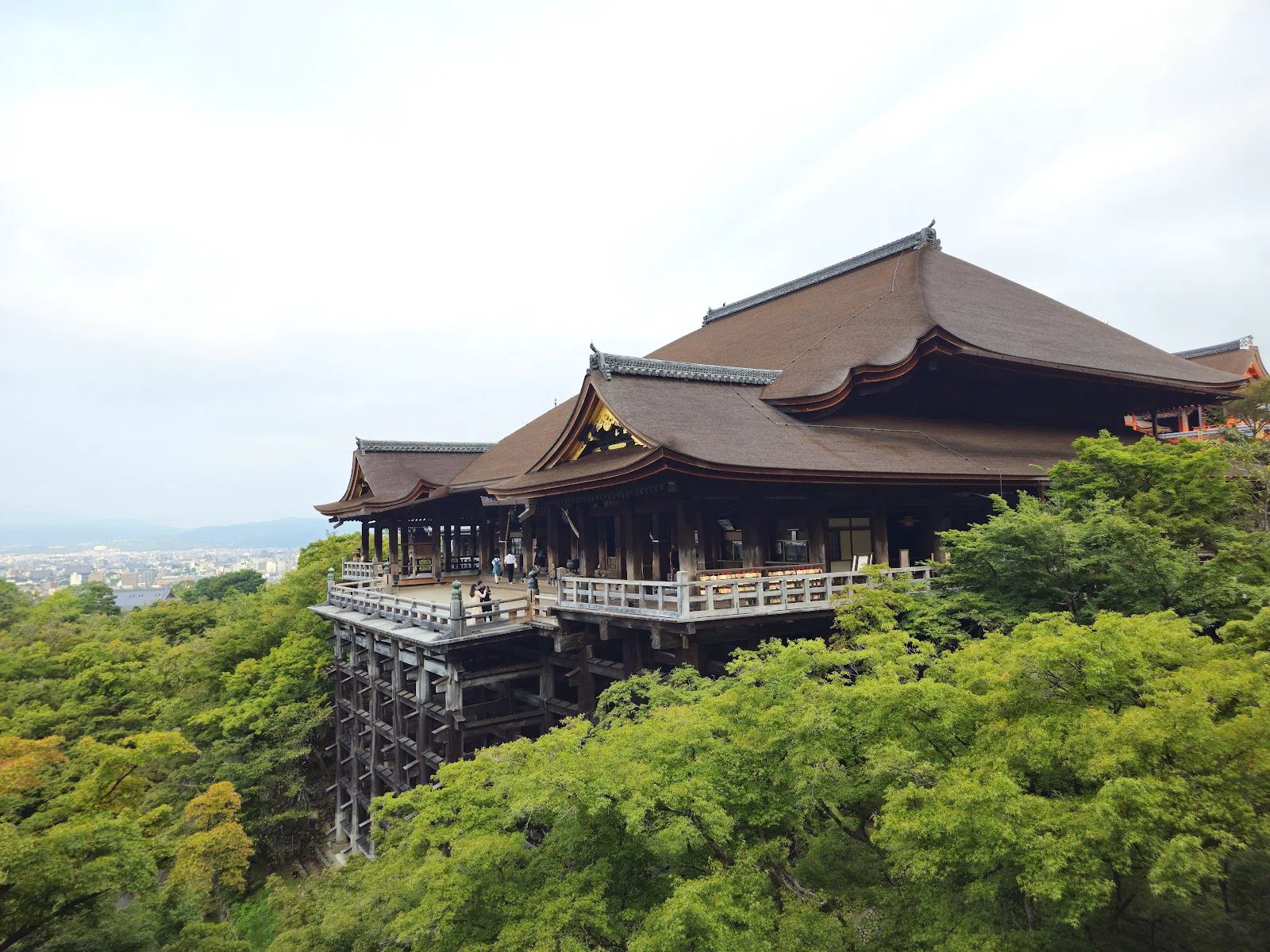
Kiyomizu-dera opens its gates at 06:00 every day of the year, and the first coach parties reach the hill from 09:00. Adults pay ¥500 at the gate, school students ¥200.
The stage at 06:00
Kiyomizu-dera Temple sits above the Higashiyama lanes, its main hall pushed off a wooded hillside on a vast wooden stage carried by 13m hinoki pillars. The roof is fresh pale cypress bark. Across the valley stands the vermilion three-storey Koyasu pagoda, and most people climb up here to walk out onto the boards and look at it.
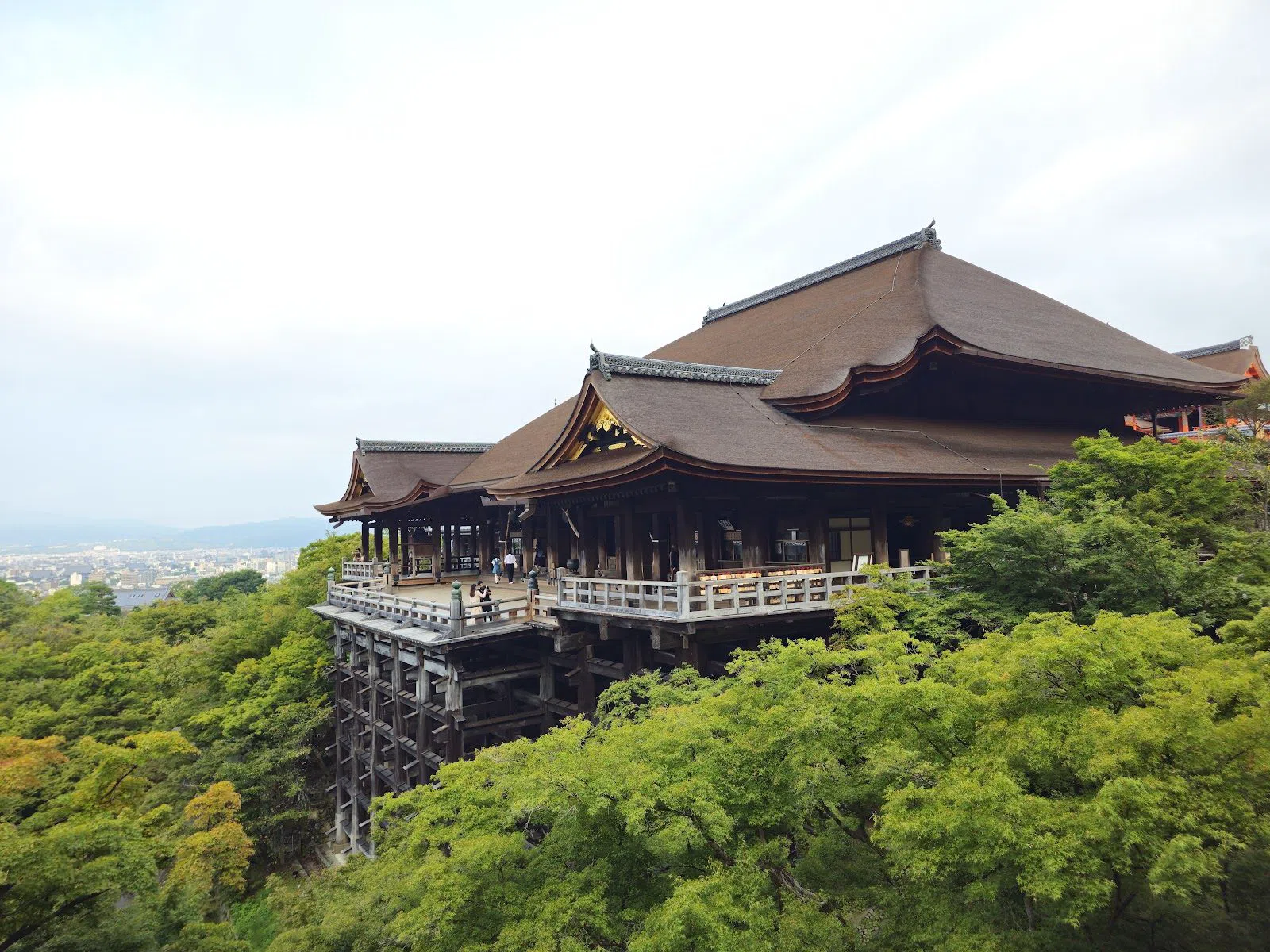
Ticketing happens at the gate and nowhere else, and no booking is needed. The temple takes coach groups all day, so a large party ends up queueing at the Hondo window while guided groups pre-buy and walk straight in.
Since the gate is the only place to buy, an independent visitor cannot get ahead of that queue. The hour you arrive is the only thing you control. Go at opening, because the window queue forms as the big parties land.
Kyoto旅行を計画する
予約パートナーの最新料金です。
多くの客室で無料キャンセルが可能です。ご予約時に当サイトが手数料を受け取る場合があります。
Climbing by Chawanzaka
Chawanzaka, Teapot Lane, is the parallel approach almost nobody takes, and it reaches the same gate with a fraction of the crowd. It is a quiet sloping lane of open-fronted ceramic workshops, Kiyomizu-yaki bowls stacked on wooden trestles under faded awnings. It is also the only place on the hill to buy Kiyomizu ware from the people who fire it.
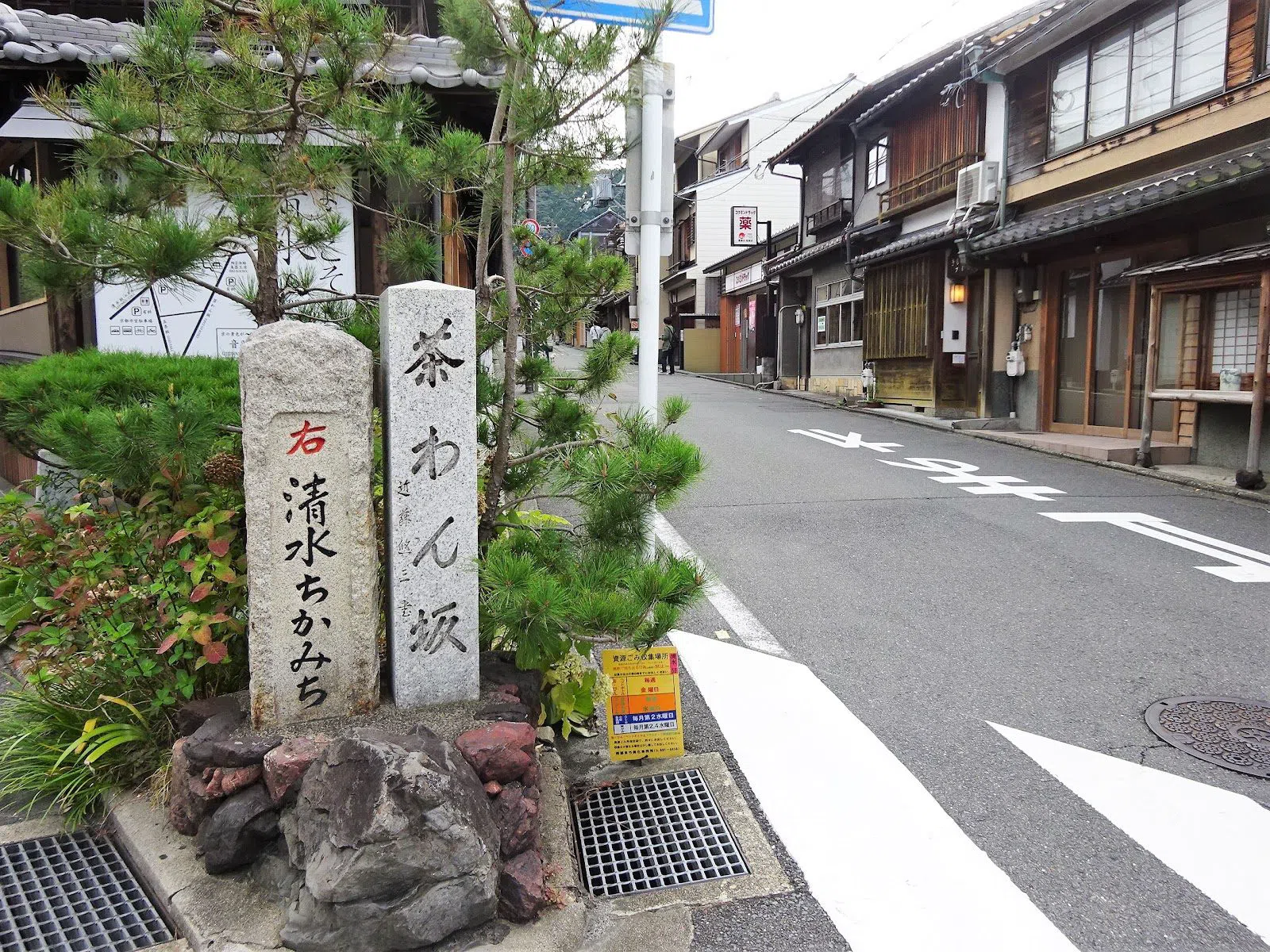
Walking the lane is free. A cup costs ¥¥ and a signed piece ¥¥¥. The shops suit pairs and small groups, and a 40-person coach load does not fit inside them. Take Chawanzaka on the way up and the main approach on the way down.
Coffee and matcha on the lanes
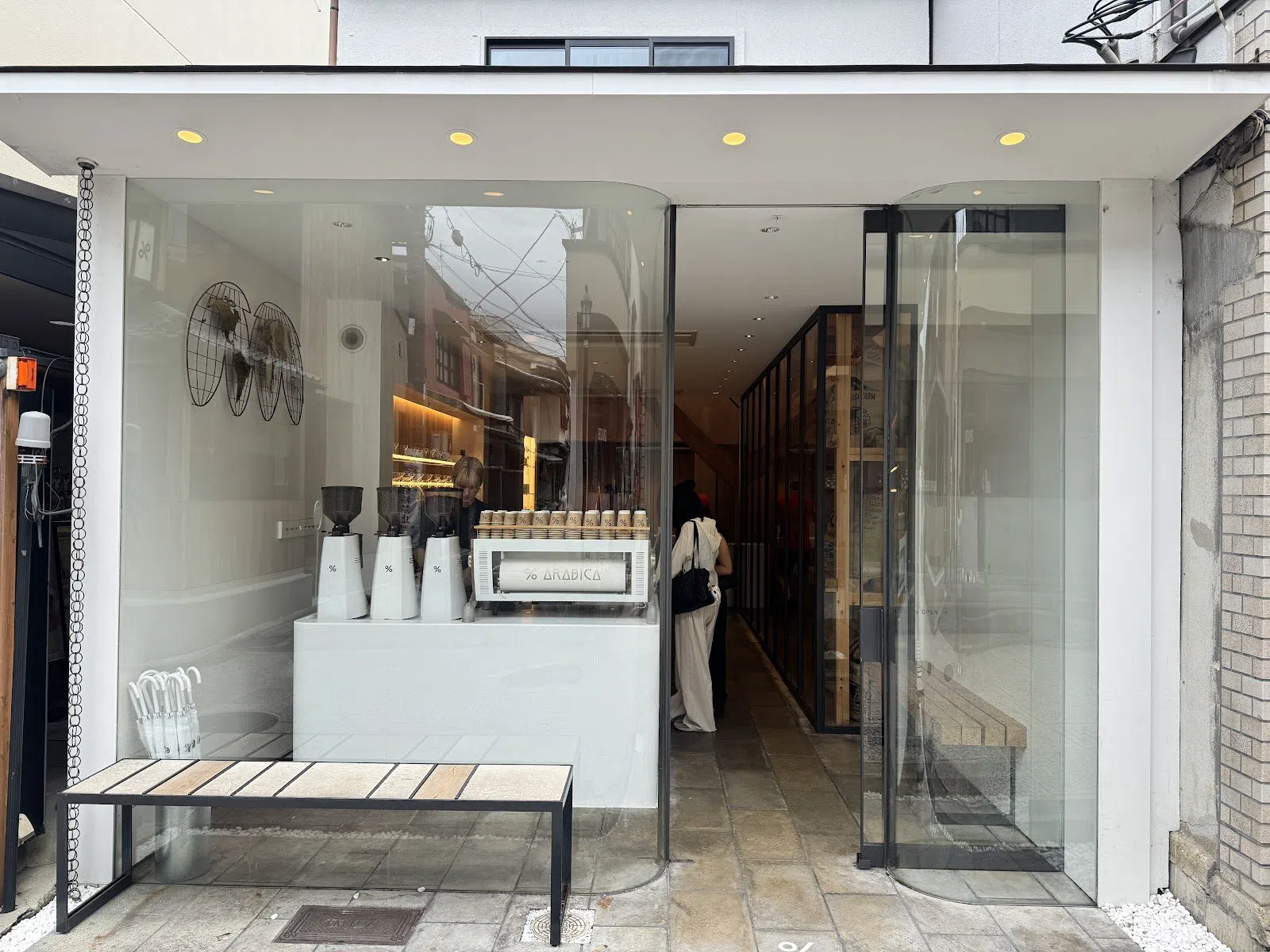
% Arabica Kyoto Higashiyama is a white minimalist counter behind floor-to-ceiling glass, with the Yasaka Pagoda directly down the lane. The queue looks alarming and clears in minutes, because almost nobody stays. It is a standing takeaway counter with no seats, so a group gets through it fast. A cup is ¥500 to ¥700 and the hours are 08:00 to 18:00. Drink it on the approach with the pagoda in front of you.
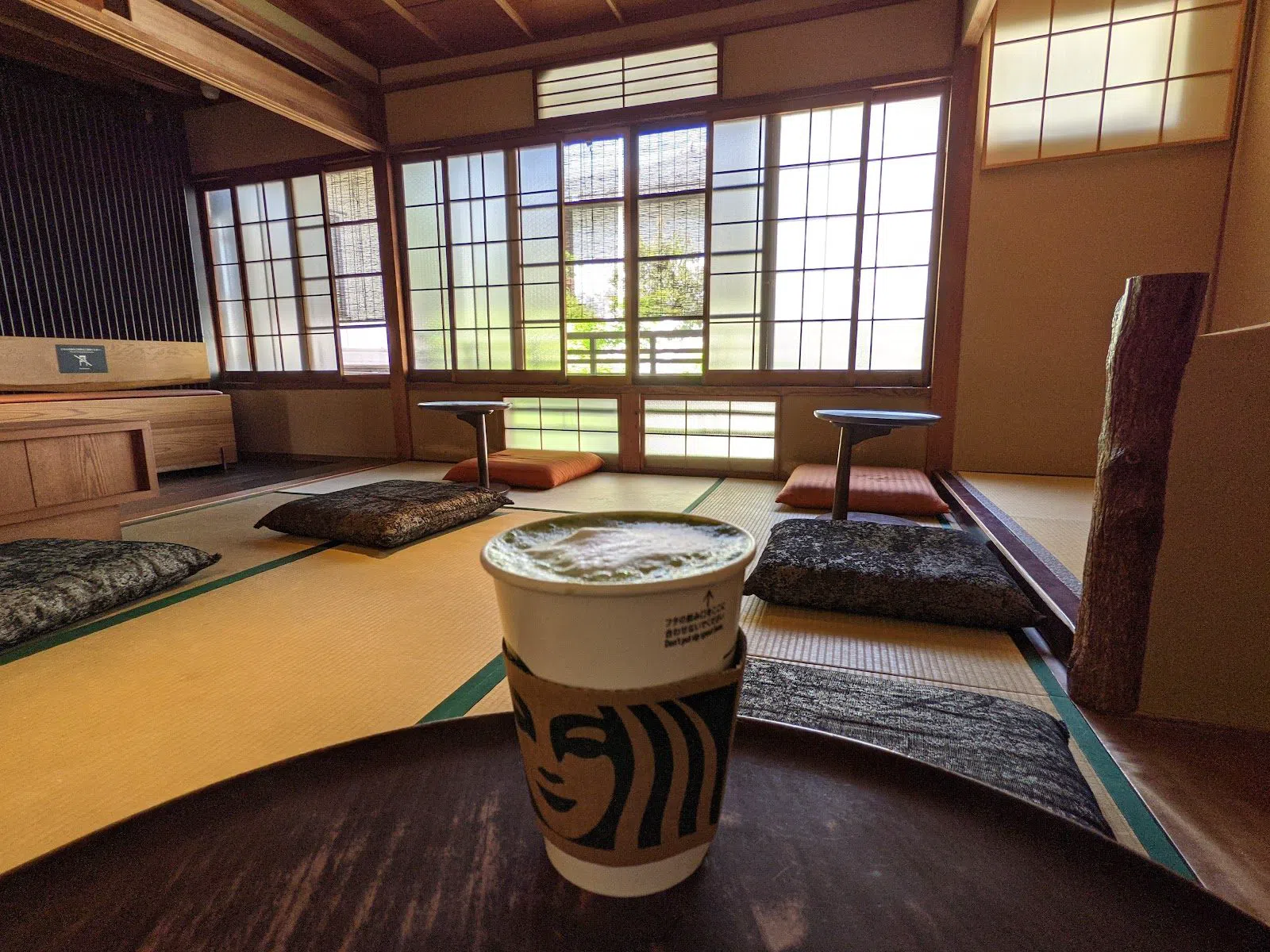
Starbucks Coffee Kyoto Ninenzaka Yasaka Chaya fills a century-old machiya on Ninenzaka, noren hung over the door, a courtyard garden downstairs and tatami rooms with zabuton cushions upstairs. It was the first tatami Starbucks in the world. Doors open at 08:00 and close at 20:00, daily, which makes it the one breakfast anchor on the hill if you are keeping early temple hours. Drinks run ¥500 to ¥800. It has 50 seats and takes no reservations, and at the midday peak a group is split across rooms or turned away.
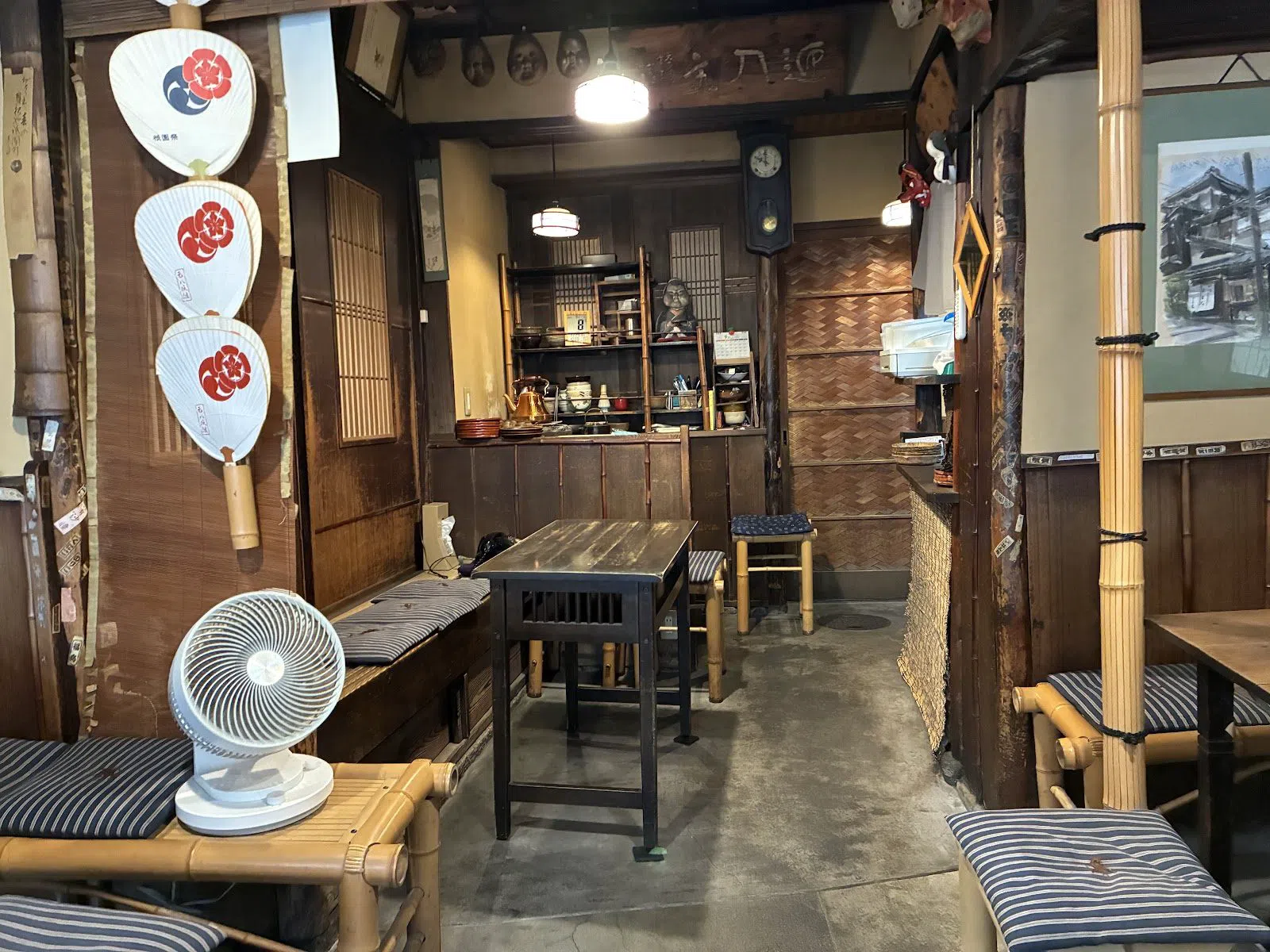
Kasagiya, near the top of Sannenzaka, is a four-table wooden room with copper kettles on the boil and red-bean zenzai in lacquer bowls. The family is in its fourth generation here. Matcha and a sweet come to ¥700 to ¥1,200, cash only. Hours are 10:00 to 17:00, closed Tuesdays. Walk-in pairs only, and no groups.
The pagoda corner and the Koshindo courtyard
Hokan-ji Temple, known as the Yasaka Pagoda, rises 46m straight out of a residential lane, five storeys of grey tiled eaves stacked against the machiya rooftops. Seeing it from outside means standing on a street corner, and that corner gridlocks.
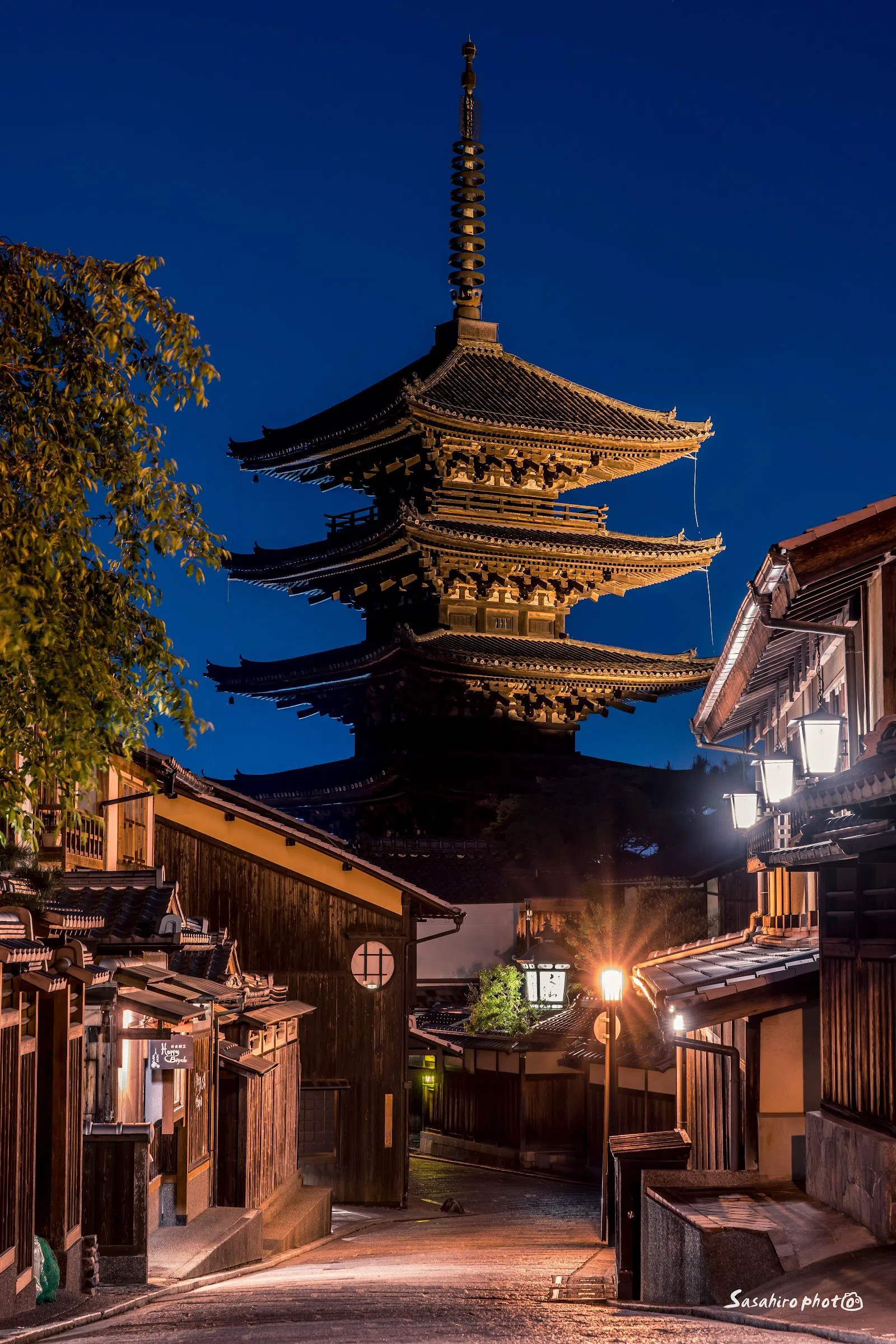
Inside, the pagoda admits only a handful of people at a time, so a group cannot go up together. Access is irregular: weekends 10:00 to 15:00, ¥500 in cash for the second floor, no children under 12. It also shuts without notice, so treat the climb as a bonus.
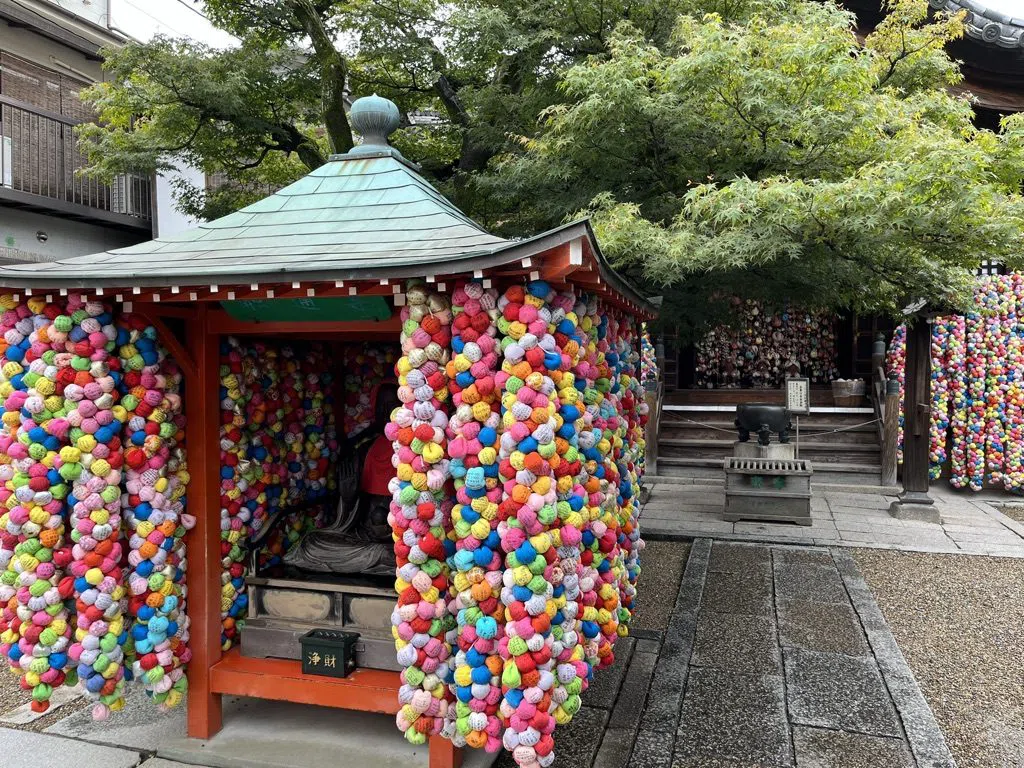
Yasaka Koshindo is a tiny courtyard temple in the same lanes, smothered in hundreds of fist-sized bound cloth balls in red, yellow and green strung across the eaves. Entry is free, 09:00 to 17:00. The balls are kukurizaru and one costs ¥500. The house rule is to pray before you photograph, and people routinely ignore it. The courtyard holds a dozen people.
Kodai-ji and Entoku-in after dark
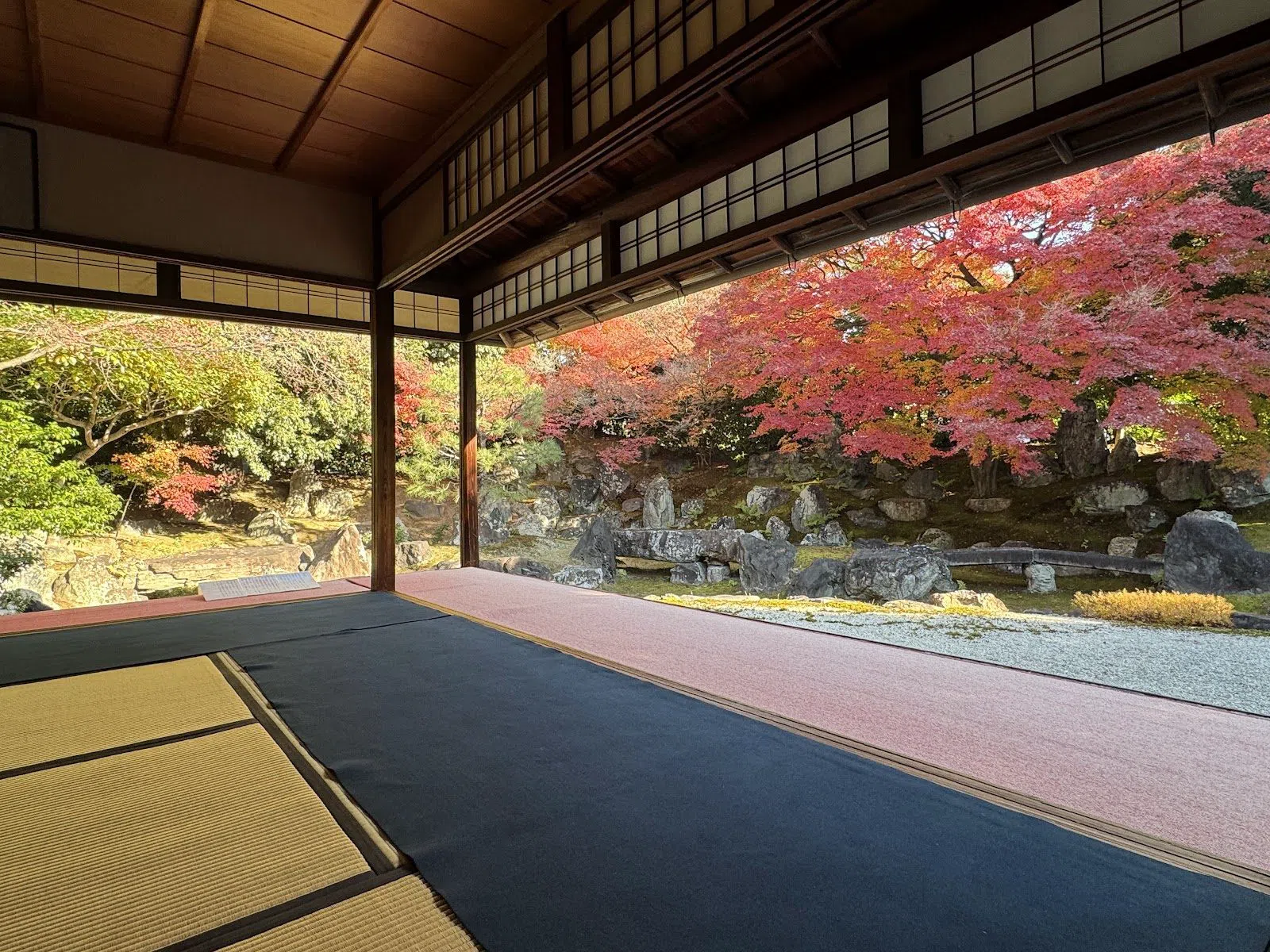
Kodai-ji Temple keeps a Kobori Enshu dry-landscape garden and a black-lacquer maki-e mausoleum. After dark the maples reflect whole in the still Garyu-chi pond, and that reflection is what the night ticket buys. Daytime entry is ¥600 and the autumn night viewing is ¥800. The temple handles organised groups, and its combination ticketing makes it an easy coach stop.
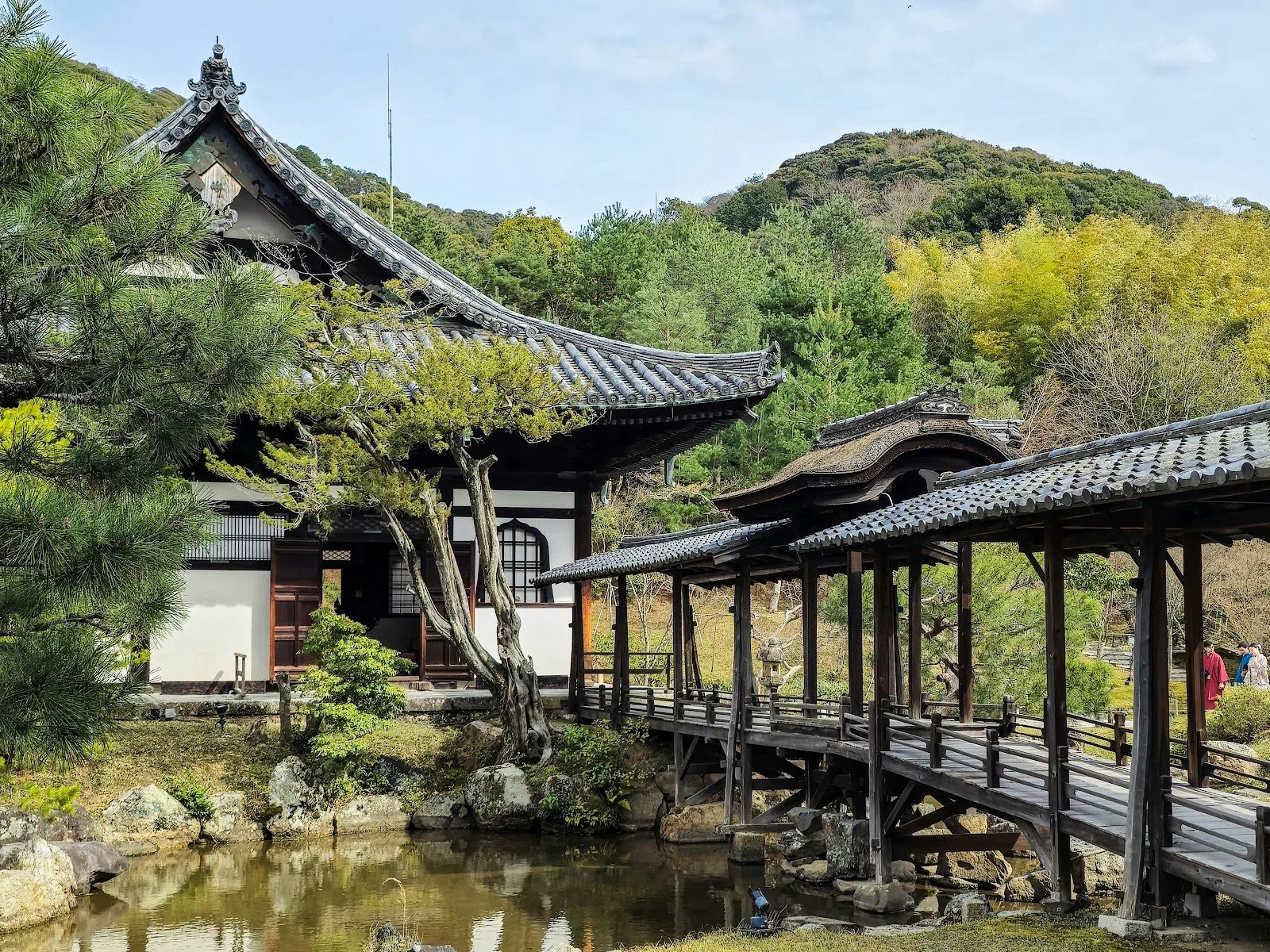
Entoku-in is the quiet half of that combination ticket, a small raked-gravel karesansui garden seen from a polished wooden veranda, with gold-ground Hasegawa Tohaku screen paintings in the inner rooms. Entry is ¥500 on its own, or ¥1,200 combined with Kodai-ji and the Sho Museum. It opens 10:00 to 17:30 daily with no closing days, and it is lit through the autumn season too. The tatami rooms are small and suit couples and small groups.
The Ryozen slope
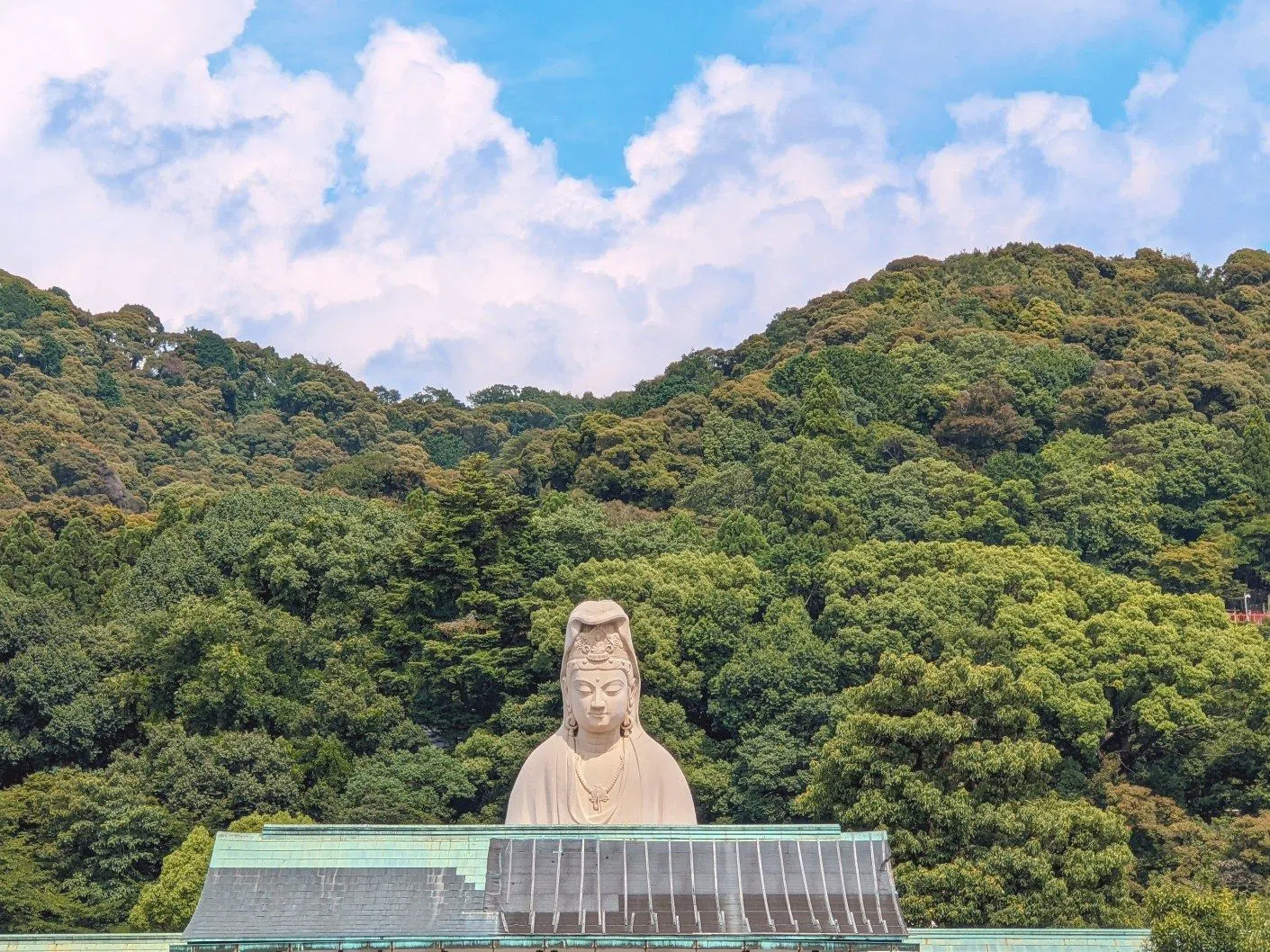
Ryozen Kannon is a WWII memorial. A 24m pale concrete seated Kannon looms head and shoulders over the treeline, and incense smoke drifts through the forecourt. Adults pay ¥300 with the incense included, teens ¥200, children ¥100. Hours are 08:40 to 16:20, with reception closing at 16:00. Sannenzaka is two minutes away and solid with people, while this forecourt is rarely busy, and the open ground takes a group comfortably.
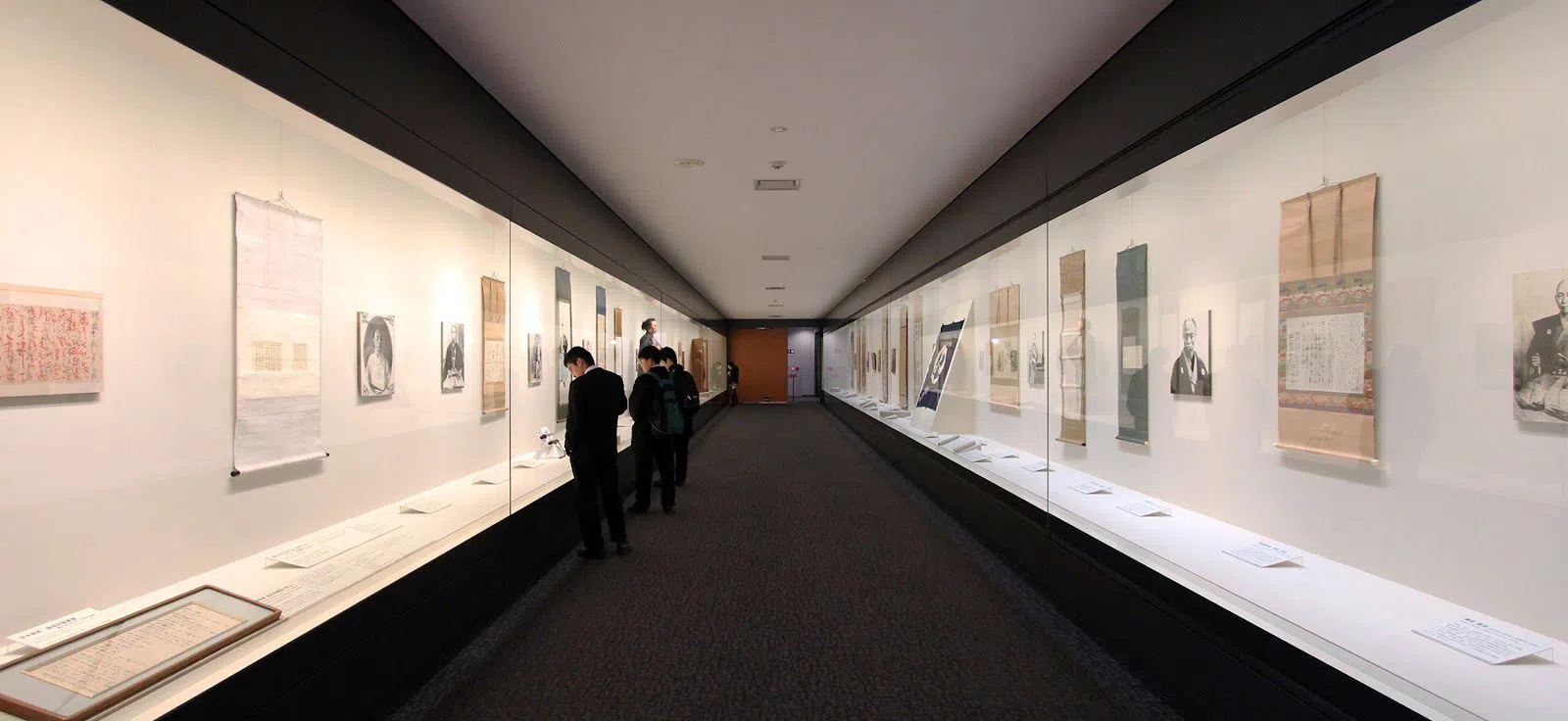
Kyoto Ryozen Museum of History is the indoor answer if October throws rain at you, a low-lit modern gallery of Bakumatsu-era letters, swords and Sakamoto Ryoma relics in glass cases, with hillside graves above it. Adults pay ¥900, students ¥500, children ¥300, and parties of 20 or more take ¥100 off a head. It opens 10:00 to 17:30 and closes Mondays.
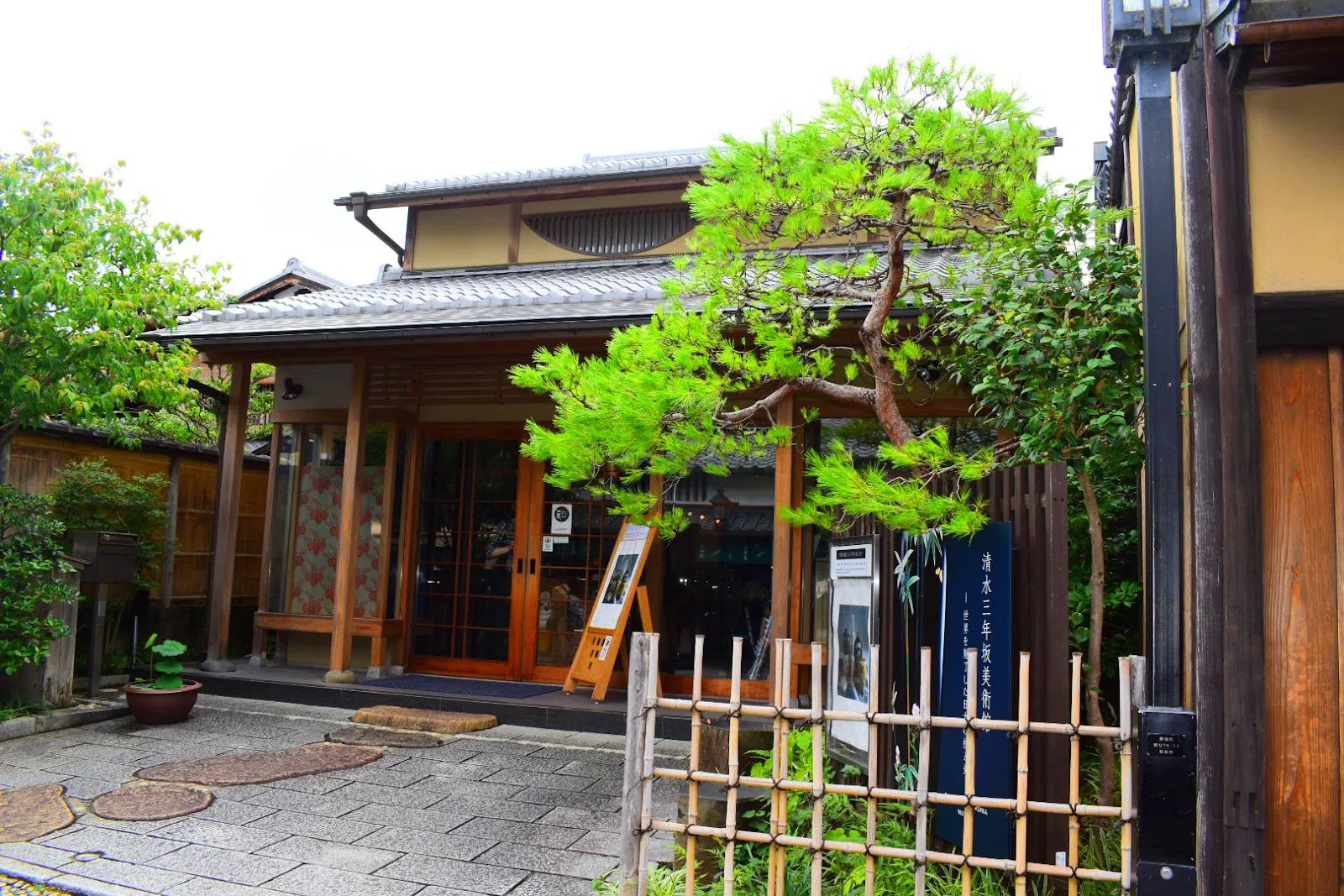
Kiyomizu Sannenzaka Museum is two small floors of Meiji cloisonné, maki-e lacquer and Kyo-Satsuma ware under pin-spot lighting. Adults pay ¥1,000, students ¥600, children ¥300, with 20% off for parties of 20 or more. It opens 10:00 to 17:00, closes Mondays and Tuesdays, and closes between exhibition changeovers. Unscheduled closures happen, so check before you route a group here.
Where the bus routes go next
A full-day itinerary rarely stops at one temple, and two other places turn up on almost every version of it.
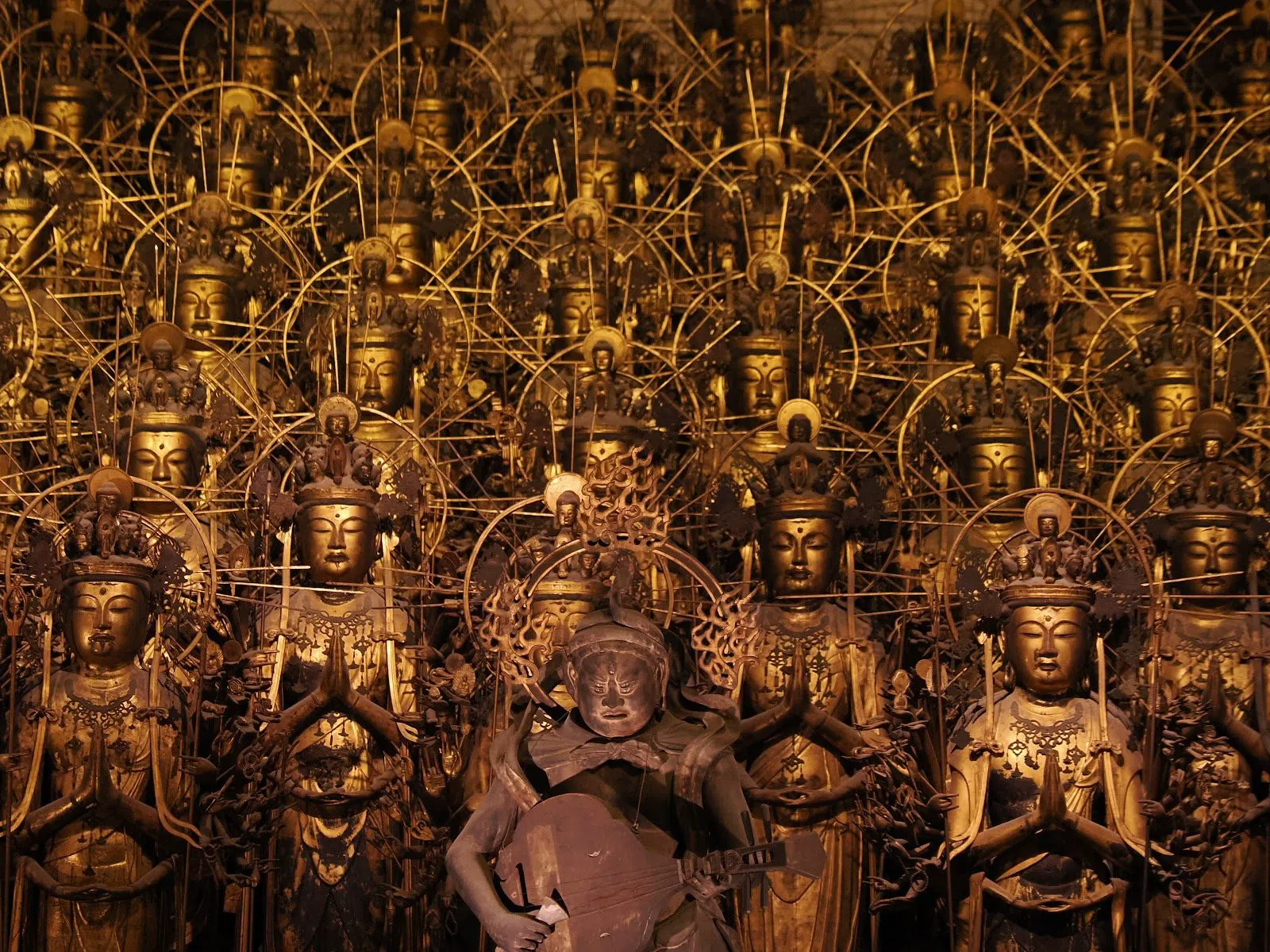
Sanjusangen-do is the nearest major stop bolted onto a Kiyomizu-dera bus route. The hall runs 120m, dim and wooden, holding 1,001 gilded Kannon statues in ranks with 28 guardian deities standing in front of them. Photography inside is banned, which catches people out, so leave the camera in the bag. Adults pay ¥600, teens ¥400, children ¥300. Hours are 08:30 to 17:00 until 15 November, then 09:00 to 16:00. No reservation is needed and it absorbs walk-up parties well.
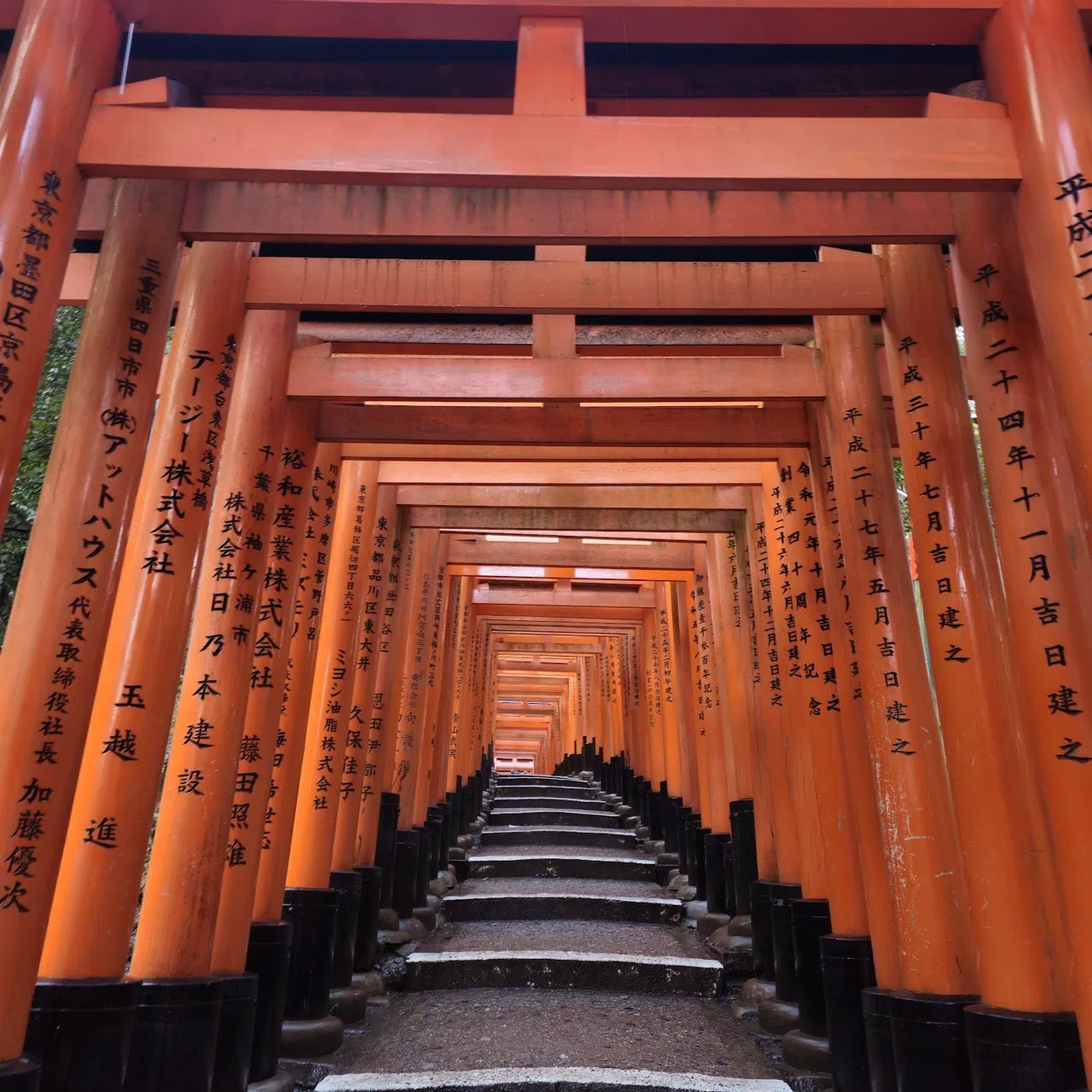
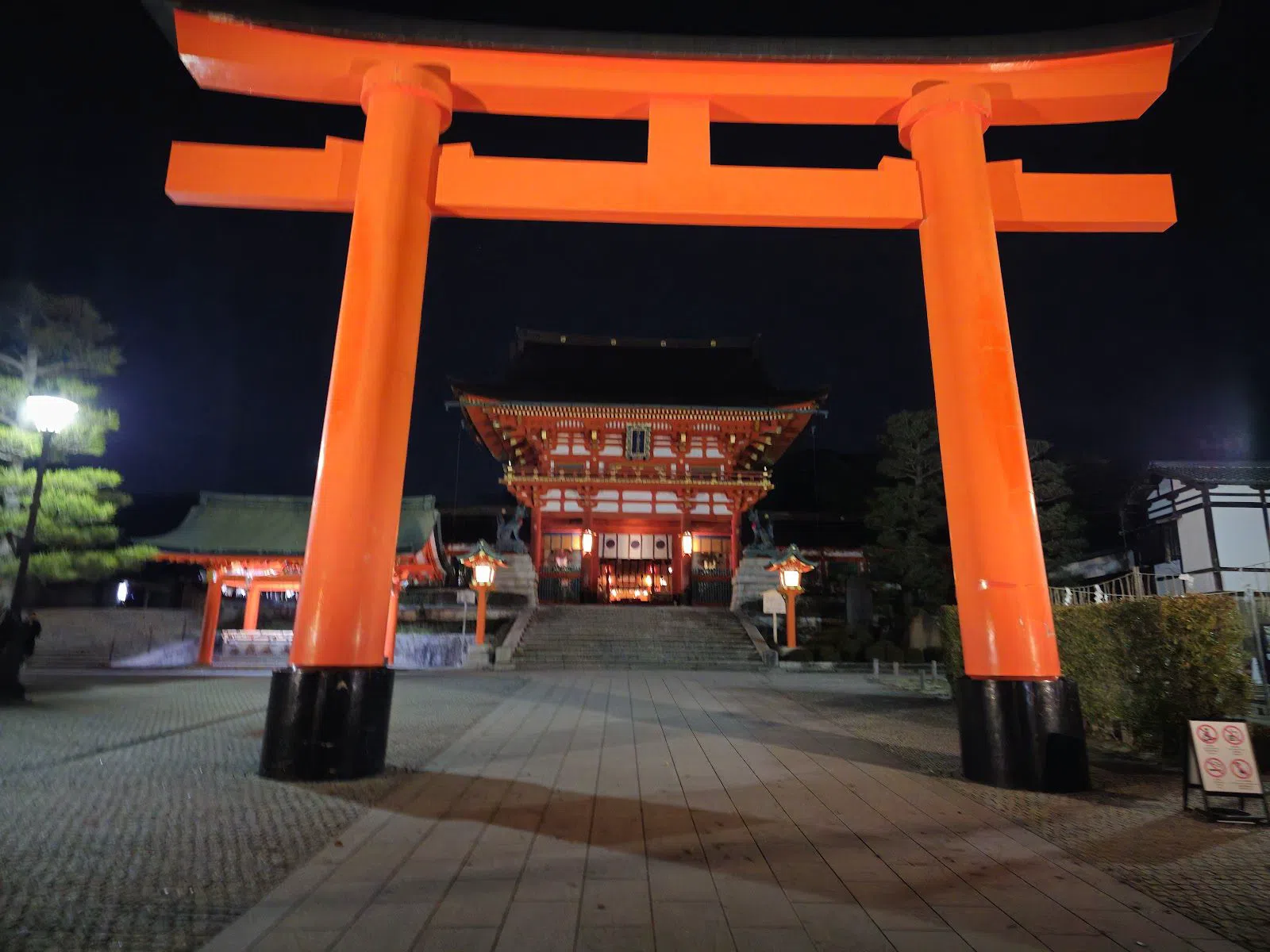
Fushimi Inari Taisha is the stop most often combined with Kiyomizu-dera on a full day. Tunnels of densely packed vermilion torii gates climb a wooded hillside, black kanji on their rear faces, moss-covered stone foxes among the trees. It is free, ungated and open at all hours. The Senbon Torii narrows to single file and a party strings out there. Climb past Yotsutsuji to lose the crowd.
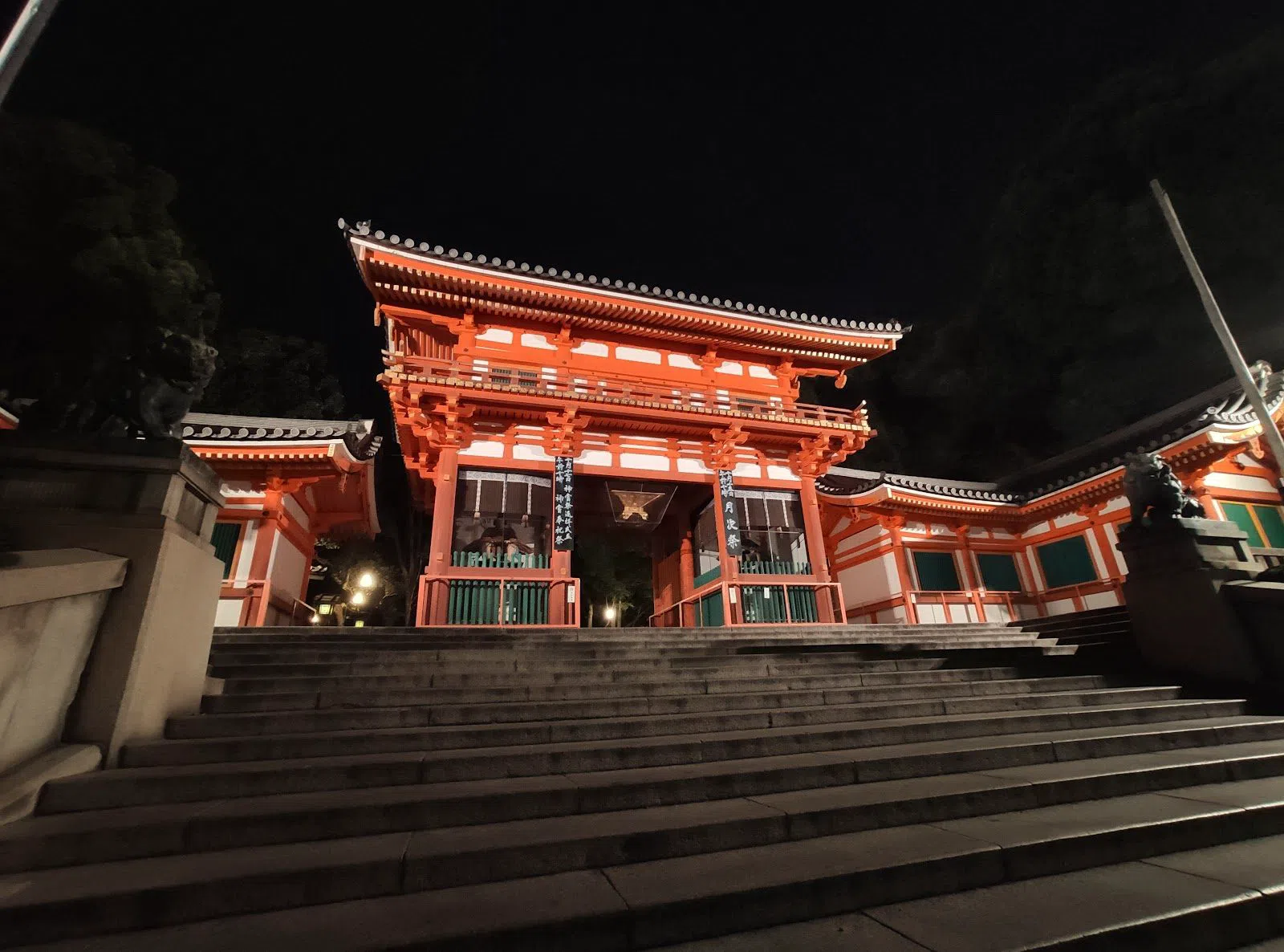
Yasaka Shrine is the northern end of the walk down from Kiyomizu-dera. The vermilion two-storey Nishiromon gate stands at the end of Shijo, and the dance stage carries hundreds of white paper lanterns, lit at night. The grounds have no gate and no ticket, they are open 24 hours, and they run straight into Maruyama Park. This is the stretch of the route that still works after every ticket window has closed, and the easiest group stop in Higashiyama.
Door tickets or a seat booked ahead
Doing it on foot costs the gate price and nothing more, on any day, from the moment the gates open. A full-day bus tour bundles the temple with Sanjusangen-do and Fushimi Inari, carries a party between them, and arrives with its tickets already bought.
The operator confirms the main full-day bus tour by hand, which can take up to 48 hours, so it cannot be booked at the last minute. It runs seven days a week, so the date is yours to pick. Decide two days before you want the seat.
Best time to go in October
Two night seasons bear on an October date. The Kodai-ji autumn light-up runs 23 October to 13 December 2026, from 17:00, with last entry at 21:30, which gives you a reason to stay in Higashiyama after dark. Kiyomizu-dera's own night viewing comes later, 21 to 30 November 2026, last entry 21:00 and priced separately, so an October visit falls before it.
Within the day, the order matters more than the date. Be inside the gate when it opens, take the lanes before 09:00, and keep the museums for the afternoon once the coaches have filled the slope. If Fushimi Inari is on your plan, go before 08:00 or after 17:00.
Is it worth it
It suits a visitor willing to be at the gate at opening and to climb the lanes on foot. The temple asks for an early start and a sloping walk, and the rest of Higashiyama sits along the way back down.
Before you go
The Ryozen history museum closes Mondays and the Sannenzaka museum closes Mondays and Tuesdays, and Kasagiya closes Tuesdays. Book a bus seat two days ahead, and carry cash for the teahouse and the pagoda climb.
See the Kyoto guide and the Kyoto hotel search.
出発前に
What time does Kiyomizu-dera open in October 2026?
The gates open at 06:00 on every day of the year. Coach parties start reaching the hill from 09:00, so the first three hours are the quiet ones. Adults pay ¥500 at the gate and school students ¥200.
Can I buy a Kiyomizu-dera ticket in advance to skip the queue?
No. You buy at the gate, and an independent visitor cannot book ahead and does not need to. Large parties queue at the Hondo window, while guided groups usually pre-buy and walk straight in. The only way to shorten your own wait is to arrive at opening.
Is the Kodai-ji autumn illumination on during October 2026?
Yes, from 23 October. The light-up runs 23 October to 13 December 2026, with the gates opening at 17:00 and last entry at 21:30. Night viewing costs ¥800 against ¥600 in the daytime, and Entoku-in stays lit through the autumn season too.
How far ahead should I book a full-day bus tour?
At least two days. The operator confirms the main full-day bus tour by hand, which can take up to 48 hours, so you cannot book it at the last minute. It runs seven days a week, so you can pick any day once you have that lead time.
What is worth doing on the hill if it rains?
The indoor option is the Kyoto Ryozen Museum of History, open 10:00 to 17:30 and closed Mondays. The Kiyomizu Sannenzaka Museum keeps shorter hours, 10:00 to 17:00, and shuts on Mondays and Tuesdays as well as for exhibition changeovers. Entoku-in opens 10:00 to 17:30 daily and has no closing days.