The shutters in Nishijin come down while there is still light in the sky. For an hour afterwards you can walk the grid of streets west of the Imperial Palace and hear almost nothing beyond a bicycle bell, a kettle, and now and then the dry clack of a hand loom being worked behind a wooden lattice by someone who did not stop when the visitors left for dinner. Kyoto's craft quarters are not a nightlife district, and it is worth saying plainly at the top: nobody here is hammering steel at midnight.
What does exist is narrower and better. Between roughly five and nine in the evening, a handful of the city's oldest workshops are still lit, their owners are still inside them, and the conversations you can have are the ones daylight crowds make impossible. Most of this trail is a daytime trail with an evening tail. Four or five places genuinely run after dark, and everything else has to be fitted in before it closes. Plan it that way and the evening works. Plan it the other way round and you will spend it standing outside locked machiya looking at a noren curtain.
This is a walk through both halves: the workshops you catch in the last of the afternoon, and the short list of doors that open once the light goes. If you are still choosing a base, the streets between Nishijin and Nakagyo put most of it within a fifteen-minute bus ride. See the Kyoto guide for how the districts sit together, and the Kyoto hotel search for what is close to which.
Nishijin while the light lasts
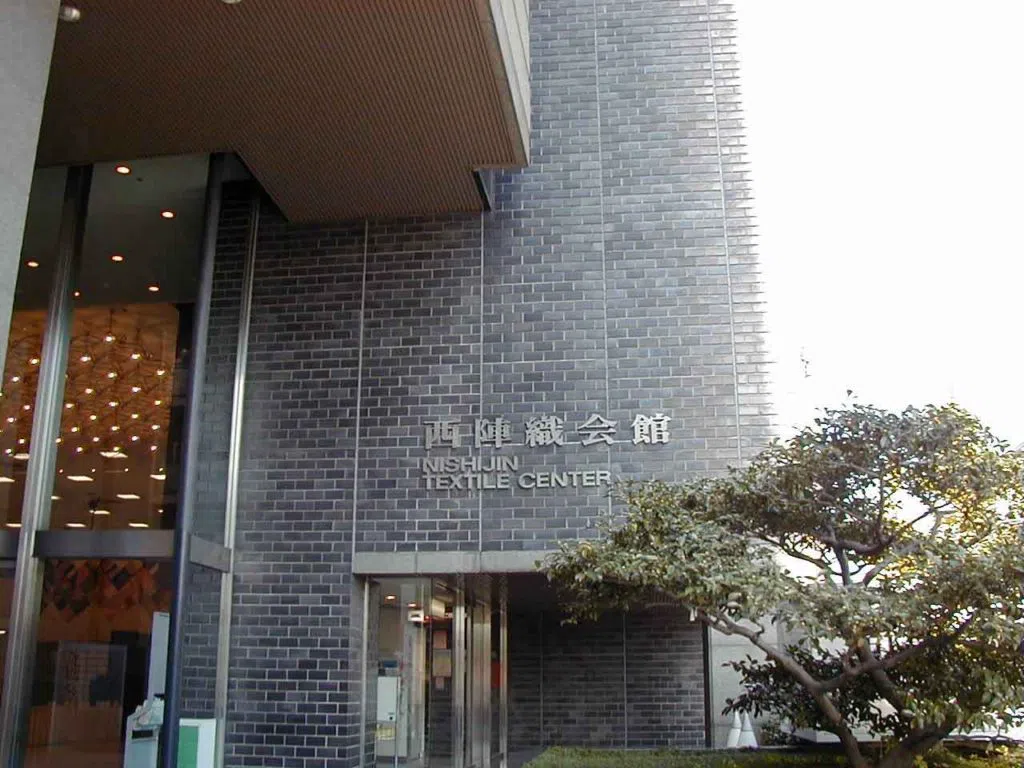
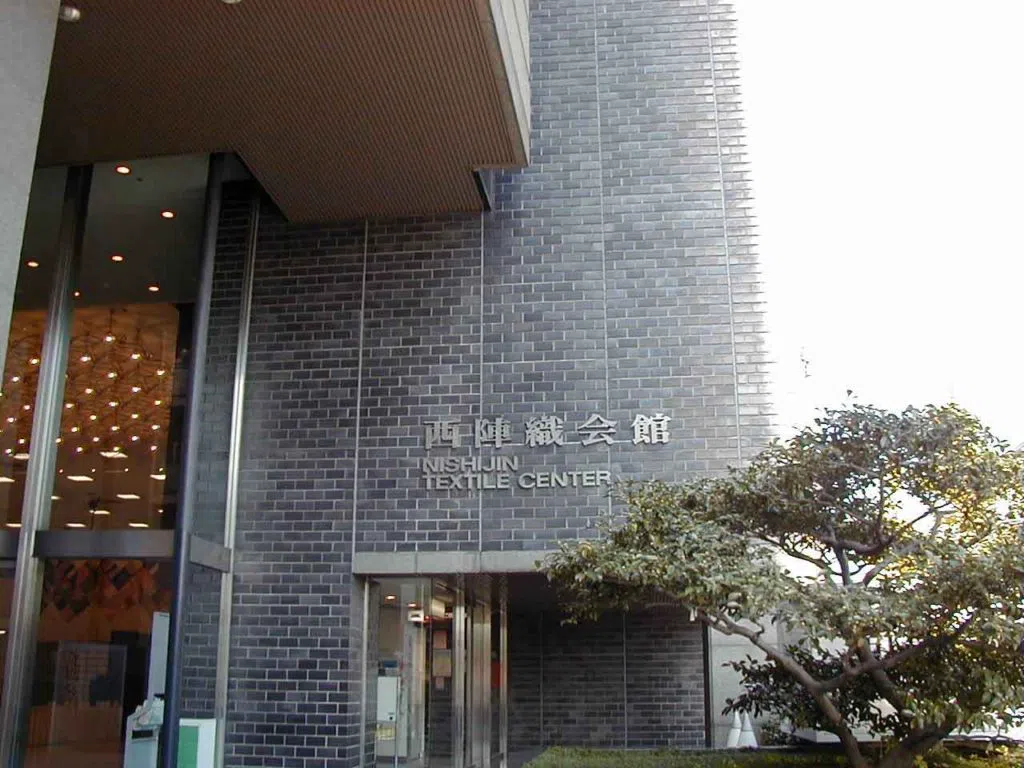
Weaving built this quarter, and Nishijin still carries the name of the west camp of a civil war that ended in the fifteenth century. The obvious first stop is the Nishijin Textile Center (Nishijin, Kamigyo-ku), partly because admission is free and partly because it is the only place in the city where you can stand over a working loom and watch tate-nishiki (warp-figured brocade) come off it without paying for the privilege. It runs 10:00 to 17:00 and closes on Mondays, so treat it as a daylight anchor rather than part of the night. The thirty-minute hand-weaving slot costs around ¥1,500 per person, up to about ¥2,500 depending on what you make; it is booked per head, and if you are more than a couple you should reserve it rather than arrive hopeful. The building takes coach parties comfortably, which is both its virtue and its limit. This is the briefing, not the intimacy.
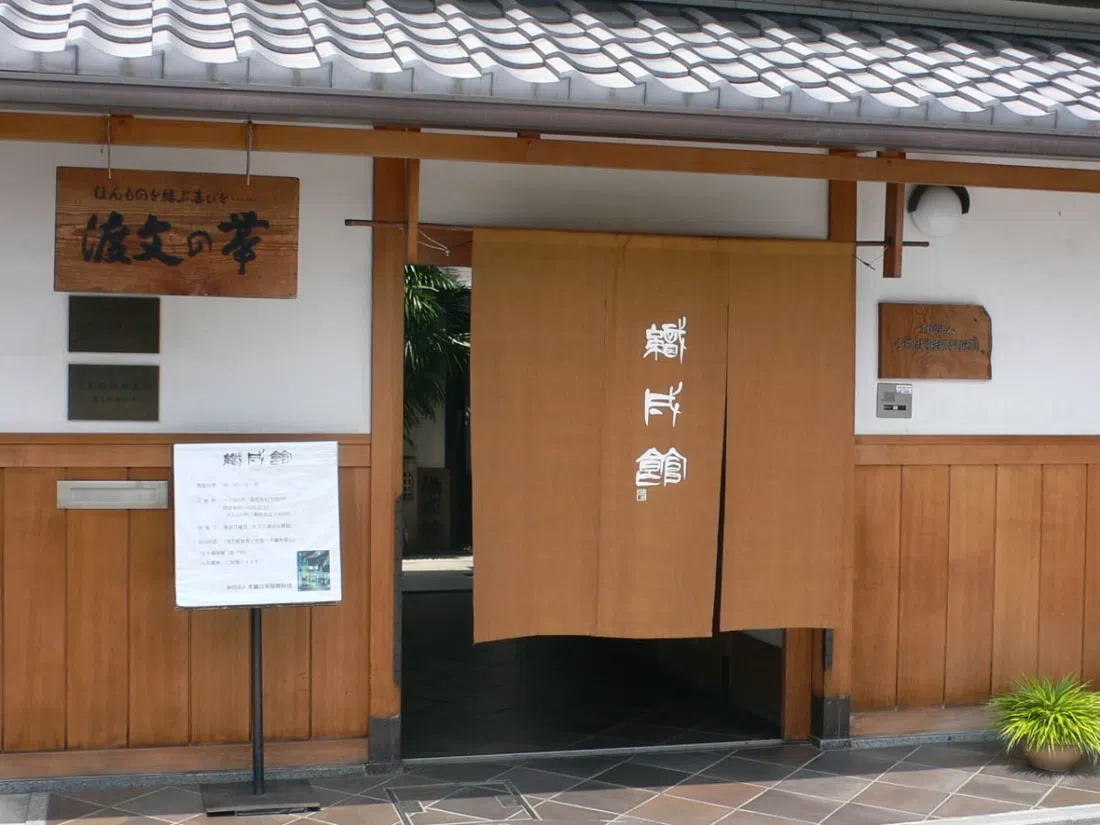
The intimacy is five minutes away at Orinasukan (Nishijin, Kamigyo-ku), a weaver's house turned museum where the work has not been staged for visitors. Artisans hand-weave Noh costume cloth in rooms you walk through, close enough that you lower your voice without being asked. Admission is roughly ¥500 to ¥800, hours are 10:00 to 16:00, and it closes on Mondays too. The rooms are small in the way old machiya rooms are small: two to six people is the natural size, small groups are fine if you telephone ahead, and anything above about ten needs splitting into waves. Arrive at three and you get the last working hour of the day, which is when the looms sound least like a demonstration.
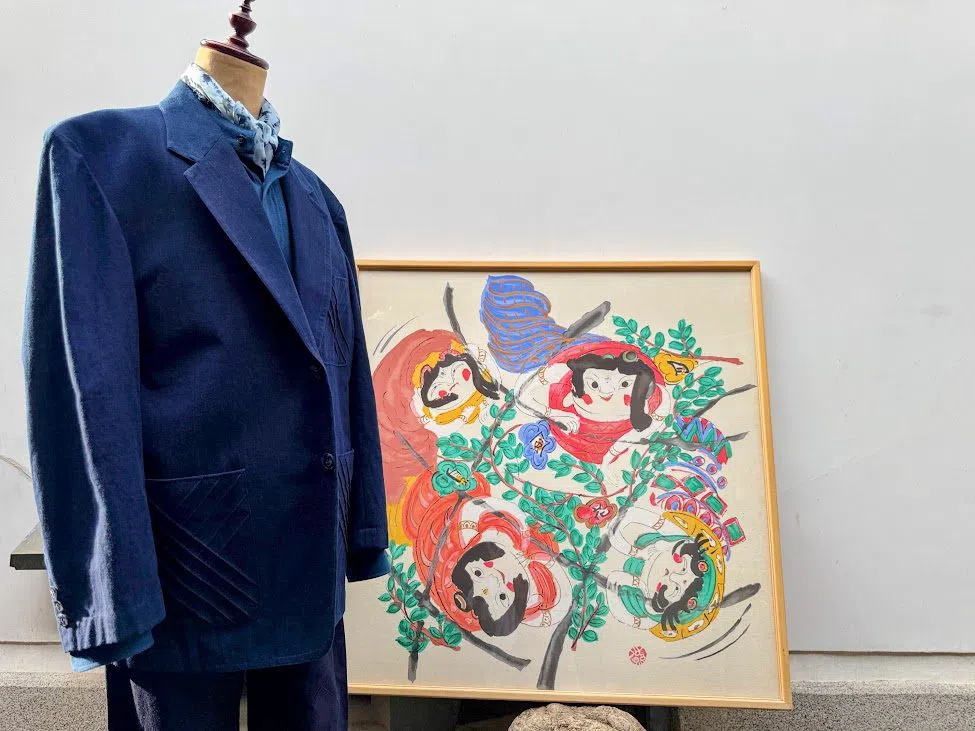
The third Nishijin address is the one people remember. Aizenkobo (Nishijin, Kamigyo-ku) is a fourth-generation natural-indigo dyehouse that still functions as a dyehouse. The vats are live, the air has that faint sharpness, and Utsuki-san will talk you through what fermenting indigo actually smells like when it is healthy. There is no admission charge and garments start around ¥10,000, but do not mistake it for a shop you drop into between other things. The studio is tiny, two to six is the comfortable ceiling, and a larger party must call in advance or it simply will not fit through the day's work. If you have one question about Kyoto craft worth asking in person, ask it here: where does the blue come from.
The one merchant house that runs on evening hours
Everything above closes before dusk. Nishijin Lifestyle Museum Tondaya (697 Ishiyakushi-cho, Kamigyo-ku) does not, and that makes it the spine of any genuinely after-dark plan in this quarter. It is a preserved merchant machiya run as a cultural house, and its evening programme of tea ceremony, kimono dressing and maiko dinners is built for parties rather than merely tolerant of them. Guided tours run roughly ¥2,200 to ¥3,300; full evening packages with a meal and a maiko climb towards ¥22,000 a head.
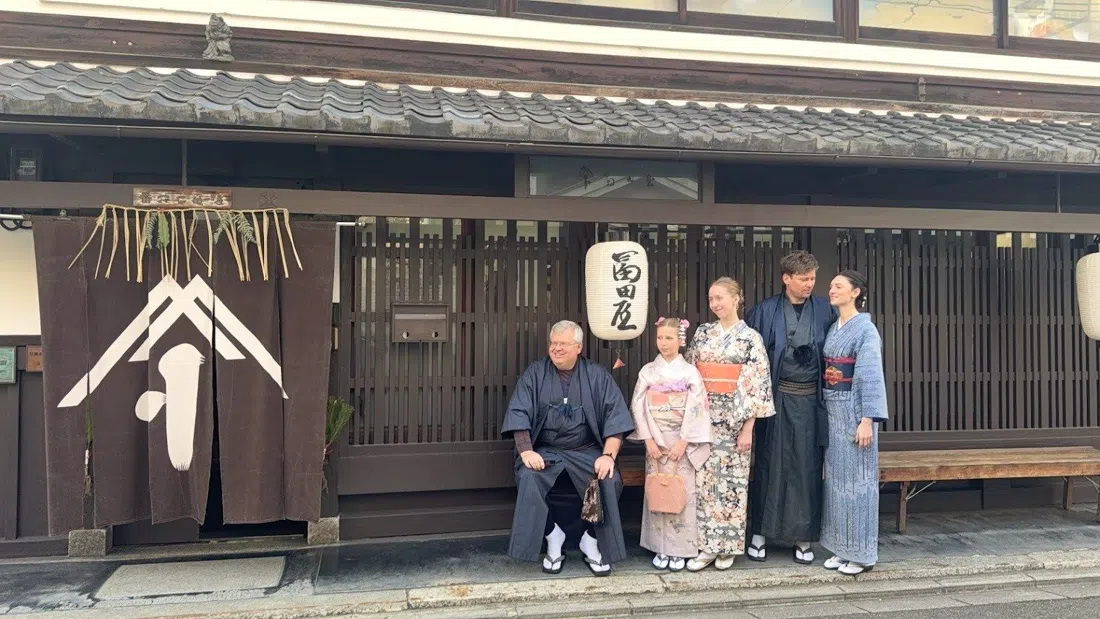
It is reservation only, by their booking form or by WhatsApp, and there are no walk-ins at all, so this is the single item on the trail you need to fix before you leave home. What you get for the price is a house lit the way such a house was lit, with the lattice screens throwing their pattern across the tatami, and a host who can explain why the merchant's family lived at the back and the business sat at the front. It is the most orchestrated experience on this list. It is also the only one that lets you stay in Nishijin past seven with something to do.
The weaving guild that went to Paris without leaving Kyoto
If Nishijin makes you wonder whether all of this is heritage on life support, spend half an hour at the HOSOO Flagship Store (central Nakagyo). The house has been weaving obi since 1688 and now supplies fabric to the sort of fashion and interior names that do not put their suppliers on a plaque, which is proof that the guild adapted rather than fossilised. The store and gallery are open to walk-ins including small groups, 10:30 to 18:00, and browsing costs nothing even though the textiles and furniture run to four and five figures. The third-floor kimono salon and the fifth-floor hall are members-only, so do not plan around them.
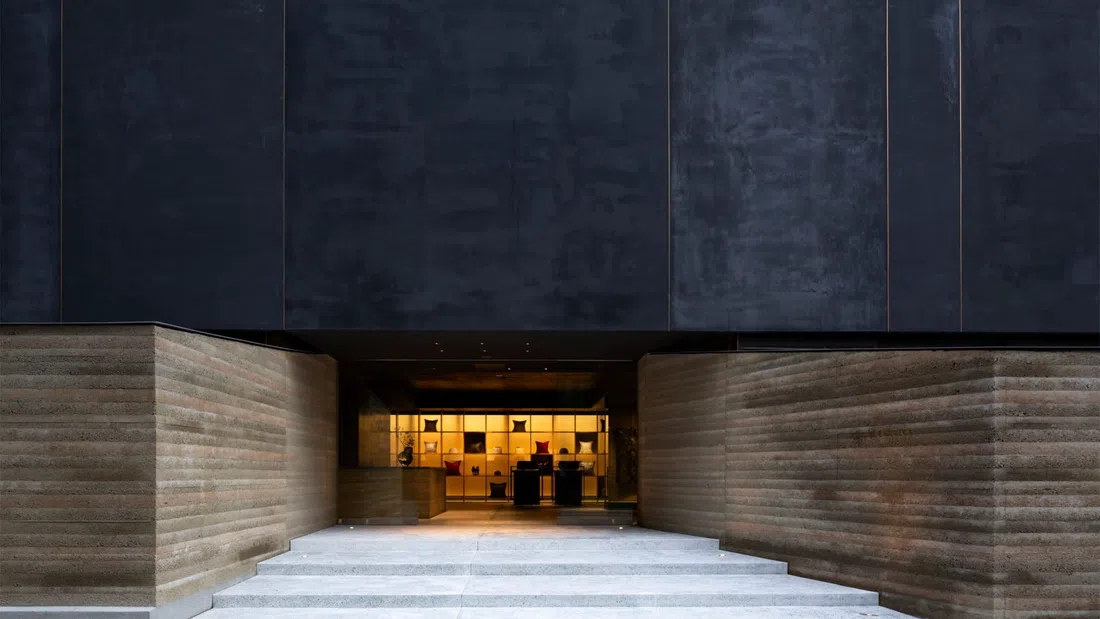
What makes it useful at the front end of an evening is the ground-floor lounge, which pours champagne on Kyoto lacquerware. That is an unashamedly polished version of craft tourism and I mention it without apology: at six o'clock, when the workshops have shut and dinner is an hour away, a glass in a room full of woven wall panels is a better use of the gap than a convenience store coffee.
Steel in Nishiki Market and a whetstone above Sanjo
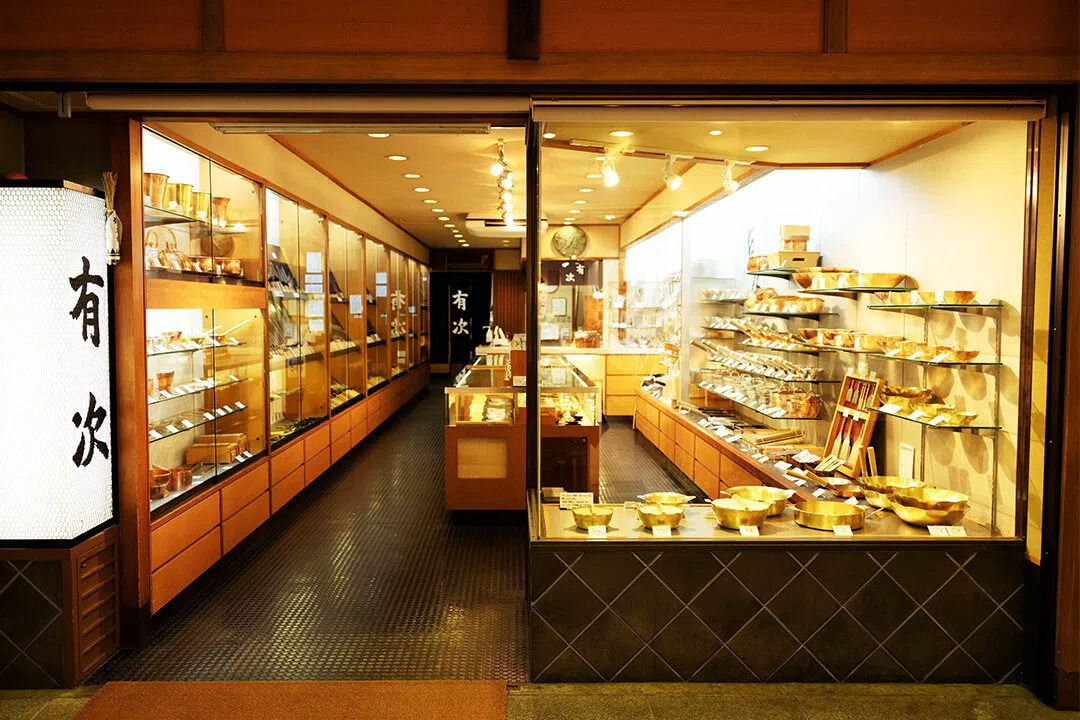
Aritsugu (219 Kajiya-cho, in Nishiki Market, Nakagyo-ku) has been in business since 1560, when it made swords for the imperial court, and it is still family-run. The shop is standing room only; crowds pile in, but four people at a time is the civilised maximum and any more than that means someone is being elbowed away from the carbon-steel case. Knives run from about ¥8,000 to ¥80,000 and beyond, and they will engrave your name in the blade while you wait. It takes a few minutes, it is done by hand, and it is the reason to buy here rather than at the airport. Hours are 10:00 to 17:00 and it closes on Wednesdays, so it belongs in the afternoon before the market's shutters come down around you.
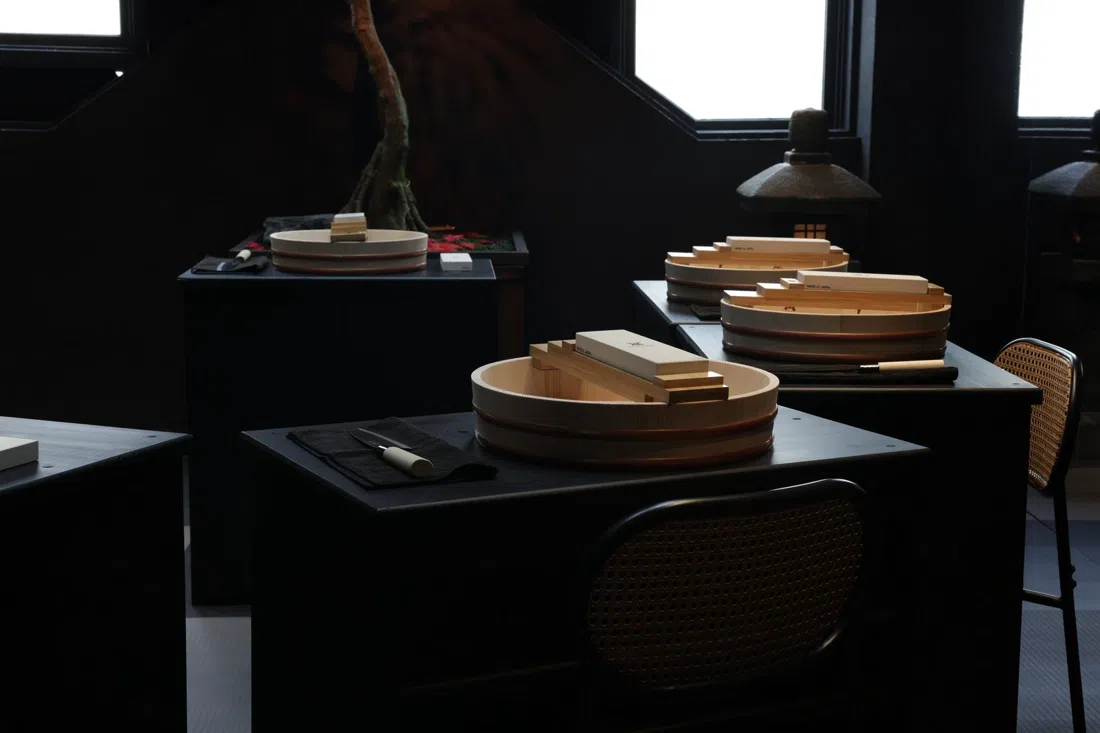
The evening version of the same craft is two floors of a building near Sanjo. FUJI JAPAN Kyoto Sanjo (Sanjo, central Nakagyo) runs a 120-minute knife-sharpening class in English, in small private sessions, and finishes with a sake tasting downstairs. At around ¥28,000 per person (list price ¥35,000, knife included) it is the splurge on this page, and I would not pretend otherwise. What you are buying is the most convincingly after-hours craft slot in the city centre: a room capped at a handful of participants, a whetstone, your own hands doing the work, and someone correcting your angle until the edge stops arguing with you. Book ahead; there is no drop-in capacity.
Paper, combs and the district they serve
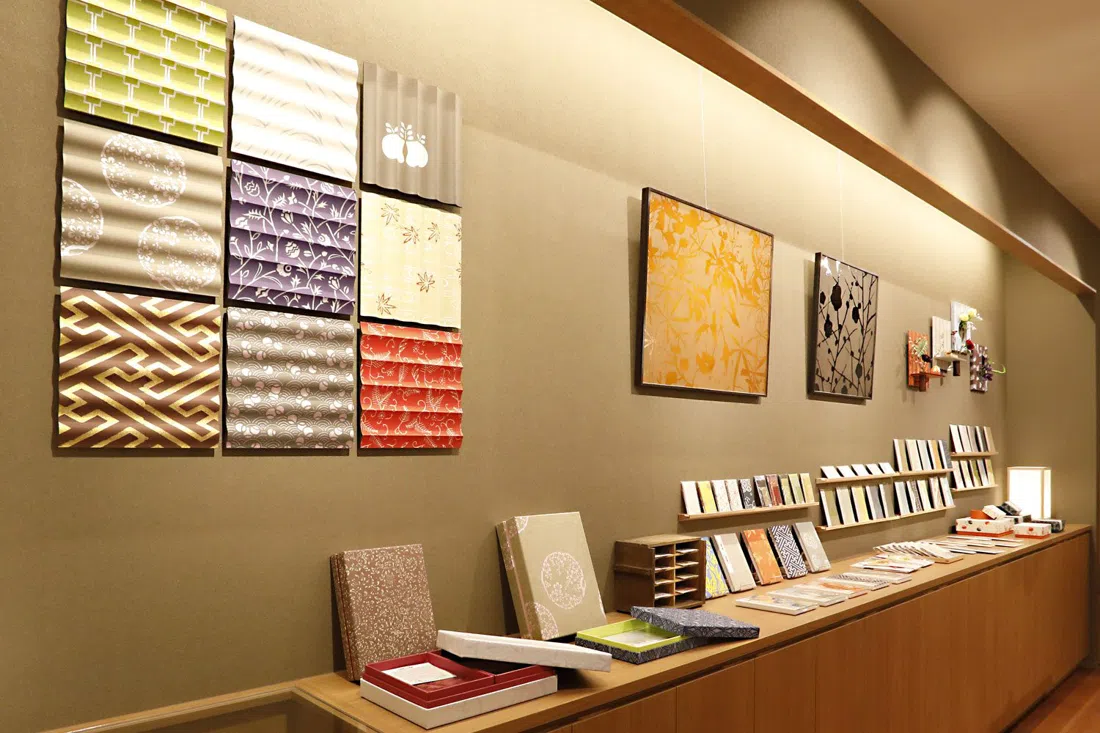
Karakami is the mica-printed paper behind the sliding doors of half the temples in Kyoto, and Kyo Karakami Karamaru (central Kyoto) is a working print shop rather than a demonstration counter. Workshops start at roughly ¥1,500 for postcards and climb past ¥8,000 for a lamp, with panels and larger prints in between; small groups are welcome with notice. Watch the calendar carefully, because it is one of the more awkward openings on the trail: 10:00 to 17:30, closed Sundays, Wednesdays and national holidays. Get it right and you leave with something flat, light and genuinely made by you, which is more than most souvenirs manage.
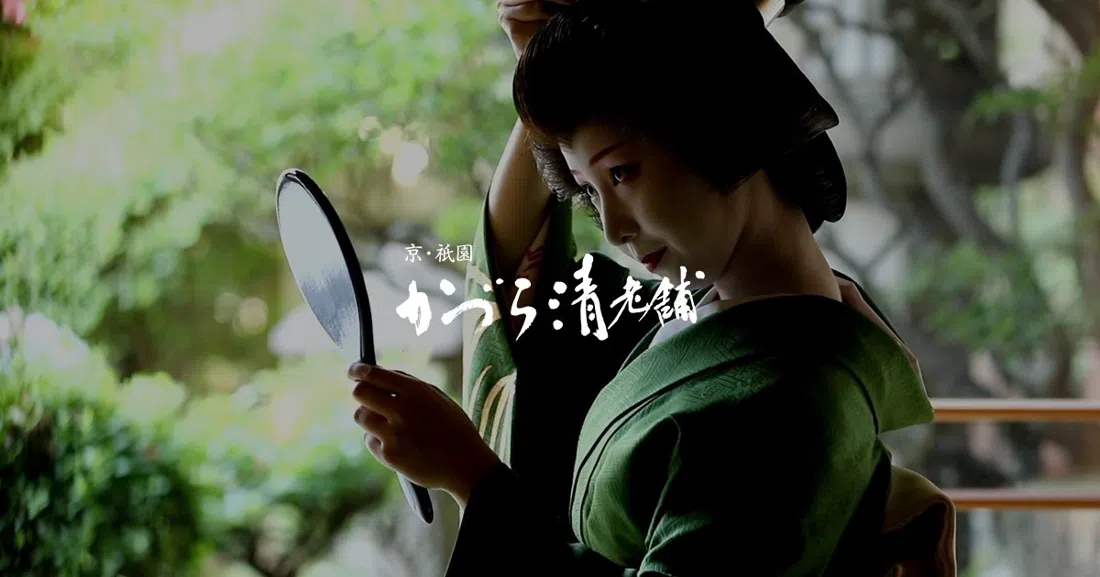
The cleanest link between a craft and the night-working district that depends on it is Kazurasei Rouho (Gion, on Shijo-dori). Founded in 1865, it makes boxwood combs and camellia oil, and it is still the supplier the geiko and maiko actually use, which is precisely why it keeps its lights on until 19:00 when the rest of the guild quarter has gone home. Its customers are getting ready to work at the hour you are wandering. Combs start around ¥3,000 and oil around ¥1,500; the shop is compact, walk-ins are fine, and six people at once is already a squeeze. Stand at the counter at half past six and you will understand the economics of the whole evening better than any museum panel explains it.
Where you can still be cutting something at seven
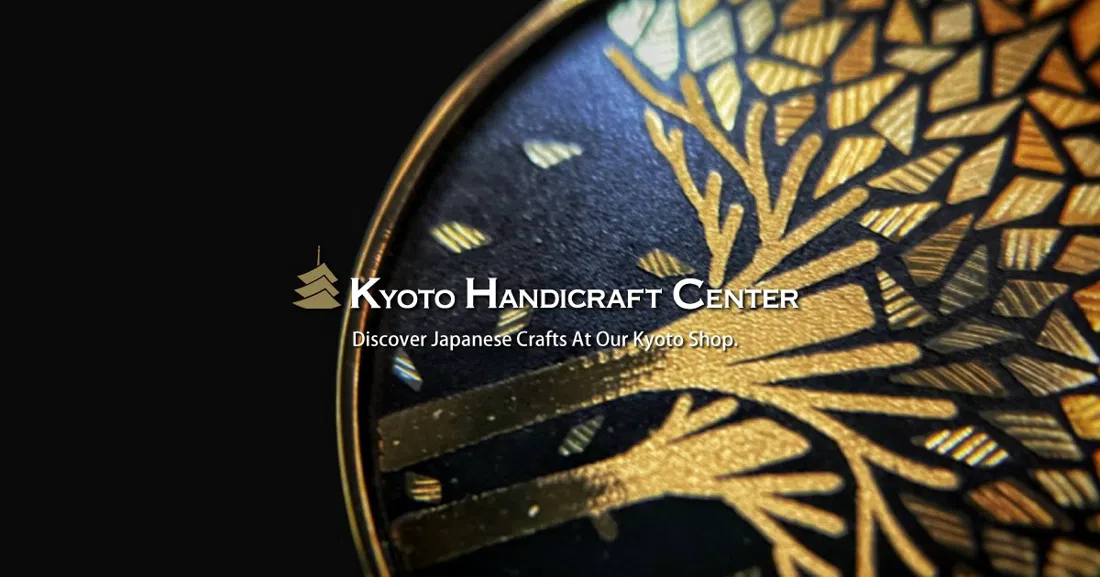
Two venues exist to teach rather than to produce, and both are honest about it. The Kyoto Handicraft Center (Okazaki, near Heian Shrine) is the most group-capable address in the city: nine short courses, English throughout, coach parties and school groups handled without drama, sessions of 40 to 70 minutes at roughly ¥2,000 to ¥5,000. It stays open to 19:00 from March to December, which makes it the one place where you can be inlaying, cutting or printing after everything else has shut. It feels commercial, because it is, but the instruction itself is real and the staff do not rush you.
Marumasu Nishimuraya (central Nakagyo) is the most reliable group booking on this page: Kyo-yuzen dyeing, Kitayama cedar chopstick making and furoshiki wrapping, all run as group sessions with materials in English, Chinese and French, roughly ¥2,000 to ¥4,500 depending on the piece. Reception is 9:00 to 17:00 with last entry at 18:00, and it opens year-round except 1 to 3 January. It is a teaching workshop rather than a production house, so pair it with Aizenkobo in the same day if you want both the lesson and the living trade.
One more stop belongs at the beginning rather than the end. The Kyoto Museum of Crafts and Design (Okazaki), rebranded from the old Fureaikan, remains the best single briefing on which of the city's guilds are thriving and which are down to a last workshop and an ageing pair of hands. Artisan demonstrations rotate, admission is ¥500 for adults and ¥400 for students, parties of twenty or more get ¥100 off a head, and it runs 10:00 to 18:00 with last entry at 17:30. An hour here on your first afternoon changes how you look at everything afterwards.
Two evenings that actually hold together
For a couple, start at Orinasukan around three, walk to Aizenkobo for the indigo, then take a bus or taxi into Nakagyo for a glass at HOSOO before the sharpening class near Sanjo. That is the version with the highest ratio of real workshops to staged ones, and it ends with you holding a knife you have put an edge on yourself.
For a group of eight or more, invert it. Brief everyone at the Kyoto Museum of Crafts and Design, run the hands-on hour at the Kyoto Handicraft Center while it is still open to seven, and book Tondaya for the evening meal, the only venue here designed to absorb a party after dark. Slot the Nishijin Textile Center in earlier the same day if the group wants the free loom-side hour, and split into two waves for anything in Nishijin that is not Tondaya.
Practical notes
Nishijin is bus country. The subway does not reach it, so budget for city buses at a flat ¥230 in the central zone, or take taxis between the Nishijin addresses; they are cheap over short hops and save the twenty minutes that closing times will not give back. Nakagyo, by contrast, walks easily: Nishiki Market, Sanjo and the Karasuma spine are all within fifteen minutes of each other.
Carry cash. The bigger venues take cards, but small studios, workshop fees and the odd comb still expect coins and notes, and a convenience-store ATM is not always on the corner when the shutters are closing. Mondays remove Orinasukan and the Nishijin Textile Center; Wednesdays remove Aritsugu and Kazurasei Rouho; Karamaru is shut Sundays, Wednesdays and national holidays. Check the day before you build the route, not after.
On money: a modest evening runs ¥3,000 to ¥6,000 a head, covering a museum, a short course and a small purchase. A full one with the Tondaya maiko dinner or the Sanjo sharpening class lands between ¥22,000 and ¥30,000. Reserve Tondaya and FUJI JAPAN weeks ahead, telephone Orinasukan and Aizenkobo if you are more than four, and accept the shape of the thing: an afternoon of looms and vats, a short dusk of paper and combs, and one properly lit door that stays open when the quarter goes dark.