The week the forecast turns solidly grey is the week Kyoto's gardens stop performing and start working. Moss that reads like dry carpet in August swells until it is almost luminous against wet stone, ponds rise to their intended level, gravel darkens, and the water features that sound thin in spring finally have something to move through them. Tsuyu, the rainy season that settles over the city from the second week of June into early July, is the one stretch when everything these gardens were designed around is present at the same time.
Moss is the whole argument
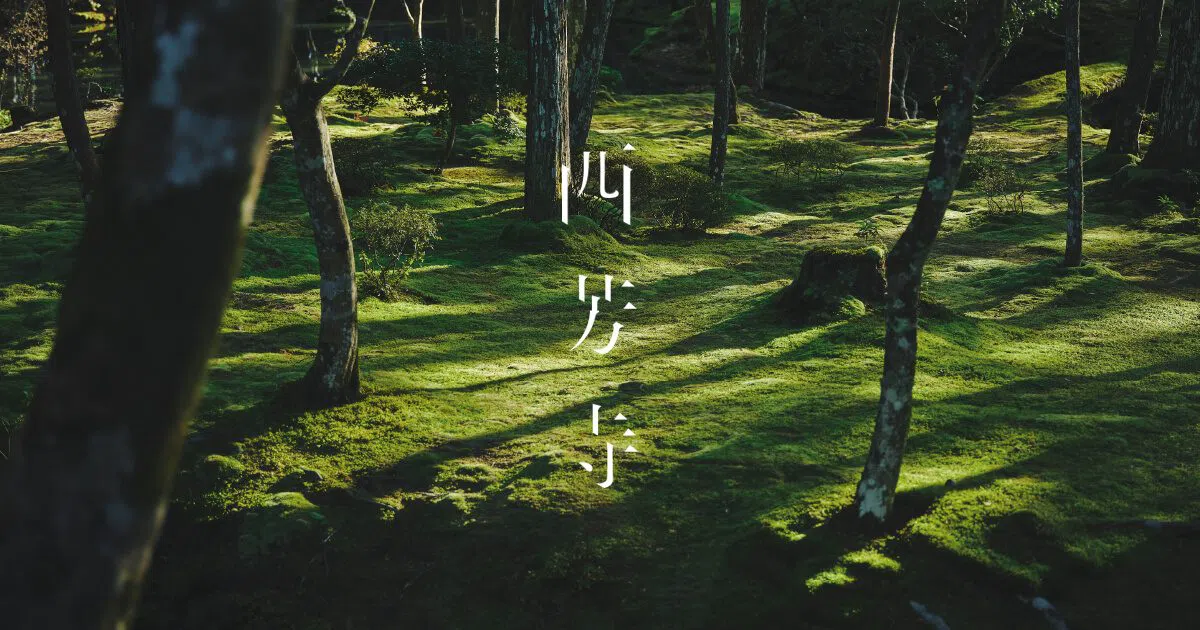
Kyoto's moss is grown on purpose. It is not neglect that nobody got round to weeding. The climate does most of the work: a humid basin hemmed in on three sides by mountains, with six weeks a year of near-continuous soft rain. Generations of gardeners learned to build for that rather than against it. Dry-season photography has taught visitors to expect raked gravel and clipped pine. The rain shows you the other half of the palette, the part that only has colour when it is wet.
Tōfuku-ji (Higashiyama, a few minutes' walk from the JR and Keihan station of the same name) makes the case more plainly than anywhere else in the city. Mirei Shigemori's 1939 Hōjō garden is graphic design executed in plants and stone, with moss laid into a grid of square pavers so that the two materials argue with each other. In dry weather the grid is legible but flat. In rain the moss goes deep and the stone goes near-black, and the composition snaps into the contrast Shigemori clearly intended. The Hōjō garden is ¥500, and the Tsūten-kyō bridge and Kaisandō are ticketed separately at ¥600 outside the autumn peak (¥1,000 when the maples go). The complex is large, well signed and split across several gates, which makes it one of the easier places in Kyoto to bring a group. That holds any time except November, when it becomes the most crowded place in the city.
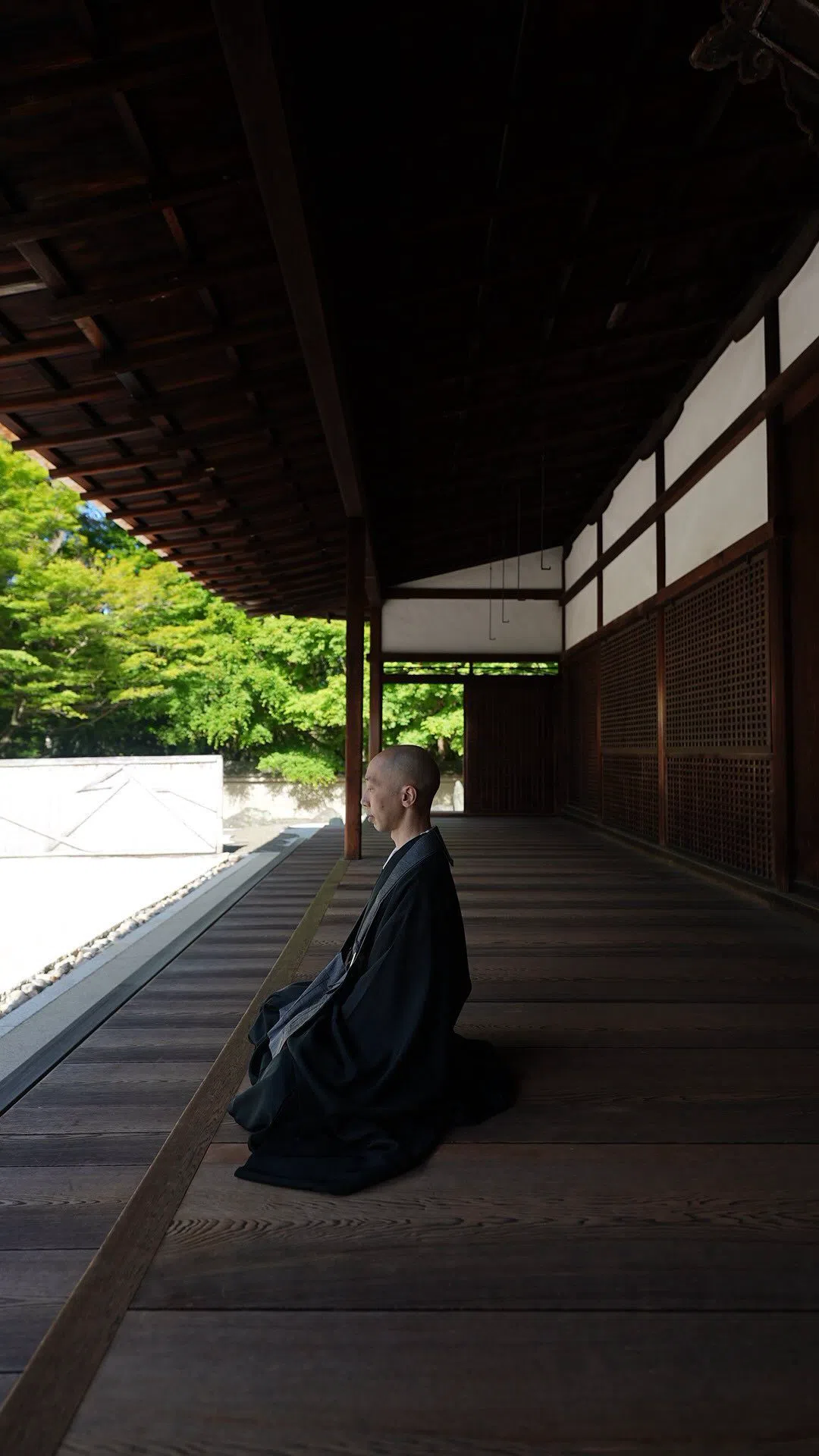
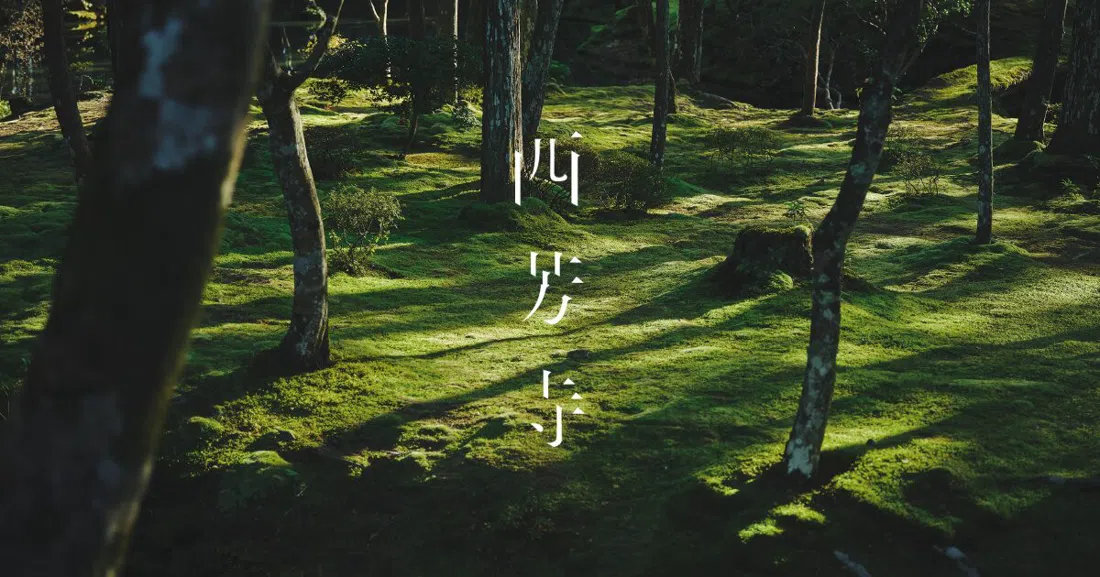
Saihō-ji (Nishikyō, at the western edge near Matsuo) is where the whole aesthetic began and, in the rain, the best single thing in Kyoto. It is also the least accommodating, deliberately. Entry is by advance application through intosaihoji.com, ¥4,000 per person plus a ¥110 online handling fee, and before you are let into the garden you sit in the hall and copy a sutra by hand with ink and brush. The booking system caps each application at two people. Parties of three or more must apply as separate accounts, and anything above five is explicitly discouraged, which means coach tours simply cannot come at all. Couples and solo visitors get the best of that arrangement: roughly 120 species of moss over an old pond garden, rain on the canopy, and almost nobody talking.
Enkō-ji (Ichijōji, in the north-eastern foothills) is the quieter pleasure of the three, and the one where you should listen rather than look. Its suikinkutsu, a buried jar that turns dripping water into a clear bell tone you hear through a bamboo tube, is at its best when the ground is already saturated, and it is the clearer-toned of the two such instruments within ten minutes' walk of each other in this pocket of the city. Entry is ¥800, ¥500 for students. The temple takes small and mid-sized groups without strain, but the famous framed view of the garden through a dark interior window is a one-person-at-a-time shot. Arrive in the first half hour of opening or accept that you are queueing for it.
An hour north for deeper green
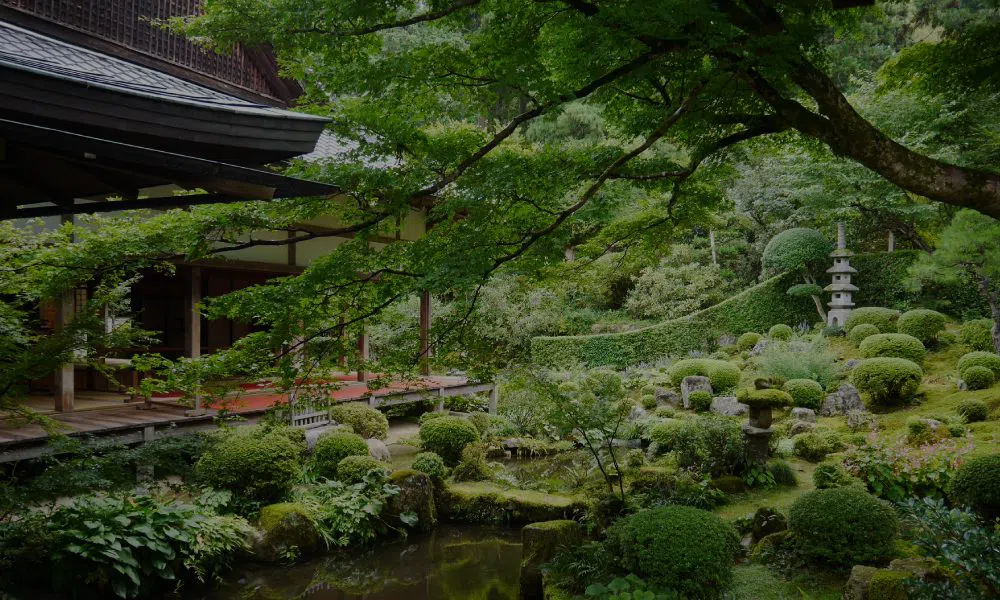
On the worst day of the forecast, when the rain stops being atmospheric and turns relentless, go further out rather than staying in. Sanzen-in (Ohara, about an hour north of Kyoto Station on a single bus) sits in a valley high enough to run several degrees cooler than the city, and the moss there holds a shade the central temples never quite reach. The approach follows a stream past pickle shops and small farms, and the garden's celebrated detail is a set of small stone jizō figures set low in the moss, half swallowed by it, which in wet weather look less like statuary than something growing.
Sanzen-in is also the most group-friendly temple here in pricing terms, with a published rate for parties of thirty or more at ¥600 for adults and ¥300 for students. Independent admission is ¥700 for adults, ¥400 for junior and senior high students, and ¥150 for primary-age children. Treat Ohara as a half-day rather than a stop, and take the wet-weather gear seriously. You will be on stone steps under trees, and the village offers far less shelter than the city does.
Hydrangeas at the scale of a hillside
The hydrangea only makes sense in rain. It drinks hard, the heads sag and deepen when wet, and the colour shifts with soil chemistry rather than variety, so a single slope can run from pale green through to violet. Kyoto's June gardens are built around exactly that.
Mimuroto-ji (in the Uji hills, south-east of the city) does it at a scale that is genuinely hard to photograph, a whole hillside of it. The garden season runs roughly 31 May to 5 July 2026, bloom-dependent, from 08:30 to 15:10, and admission is ¥1,000 for adults, ¥500 for children. Weekend evenings from 13 to 28 June bring illumination from 19:00 to 21:00 with last entry at 20:30, and wet hydrangeas under lights are a different proposition from wet hydrangeas in daylight: glossier, more theatrical, considerably busier. The site is wide-pathed with real coach access, so this is the one that absorbs school groups and tours comfortably.
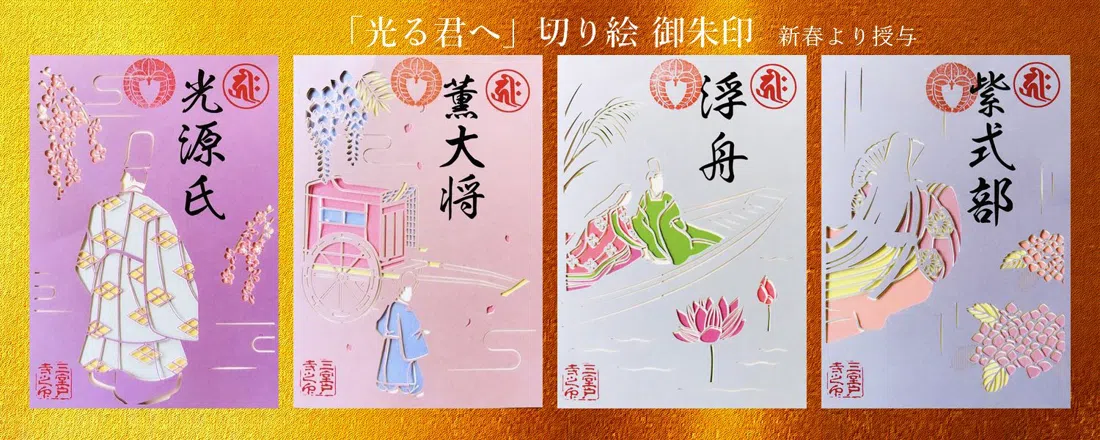
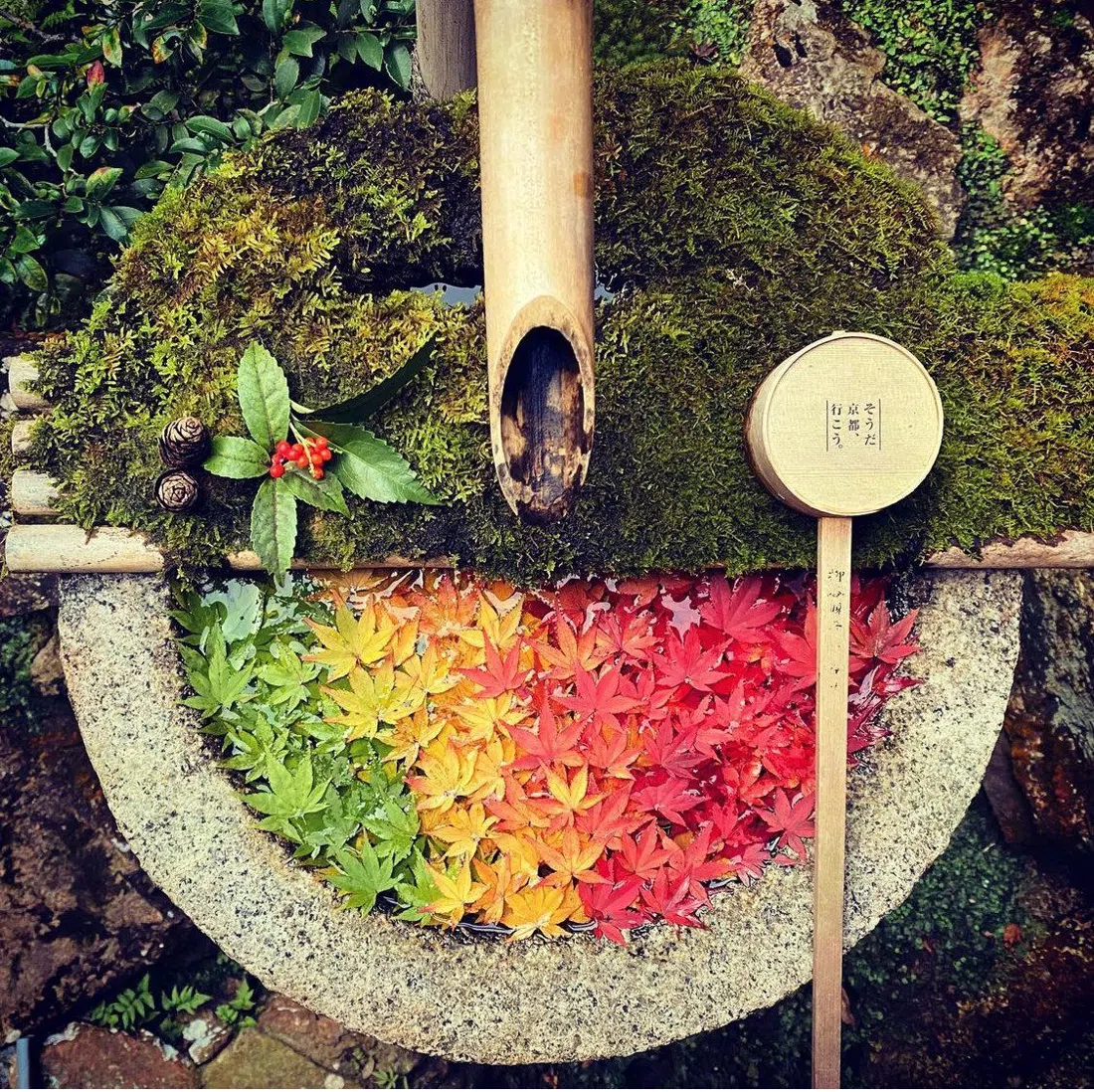
Yanagidani Kannon (Yōkoku-ji, out at Nagaokakyō, south-west of the city) is the connoisseur's version and far quieter. Hydrangea Week runs through June, 09:00 to 17:00 with last entry at 16:30, ¥700, across a site of some 5,000 plants. The reason to make the trip is the hanachōzu, the temple's water basin filled with cut hydrangea heads floating in still water, the single most photogenic small detail in the region during tsuyu. There is a hydrangea goshuin too, and in the same weeks a rare opening of the Kamishoin looking out over the Jōdo-en garden. There is space to move here, so groups work.
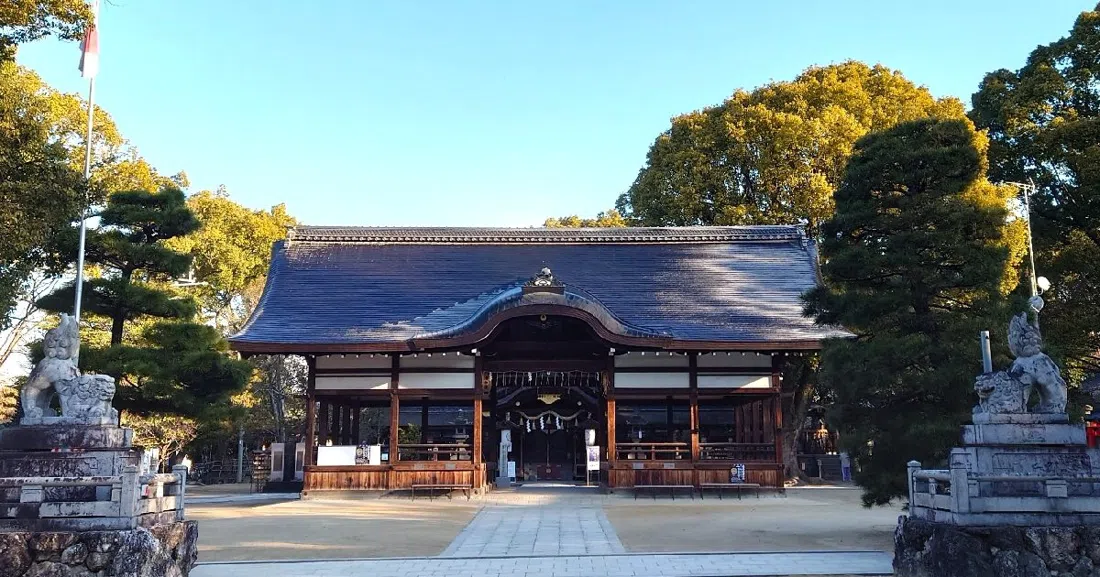
Fujinomori Shrine (Fushimi, five minutes on foot from JR Fujinomori) is the local option and the one that feels least like tourism. The Ajisai Matsuri runs 1 to 30 June 2026, with the paid gardens open 09:00 to 16:00 at ¥500. The festival's main ritual falls on 15 June, and weekends bring kemari, gagaku and iaidō in the open precinct. Those precincts are free and roomy enough for any size of party, but the two hydrangea gardens themselves are narrow. Split a large group and send it through in waves rather than as a block.
Gardens built to be watched from inside
Some Kyoto gardens assume you will walk them. A few assume the opposite, which on a day of standing rain is the more useful piece of design.
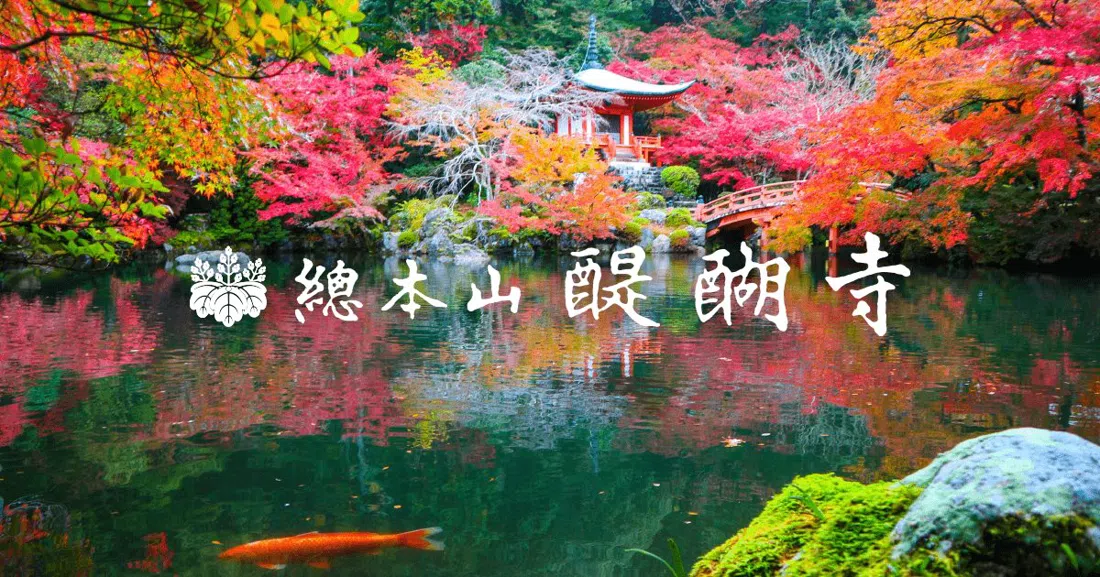
Daigo-ji (Fushimi, at the foot of the eastern hills) is the clearest example. The Sanbō-in garden was laid out in 1598 for Toyotomi Hideyoshi, who intended it to be seen from a seated position on the veranda, so the pond, the bridges and the celebrated Fujito stone are all composed for one fixed eye level. You can sit on the boards out of the weather and watch a garden behaving exactly as its patron wanted while the rain does the work. A combined Sanbō-in and Garan ticket is ¥1,000 for adults, ¥700 for students, children free; open 09:00 to 17:00, last entry 16:30. Big site, wide paths, coach parking, and the most group-workable entry on this list.
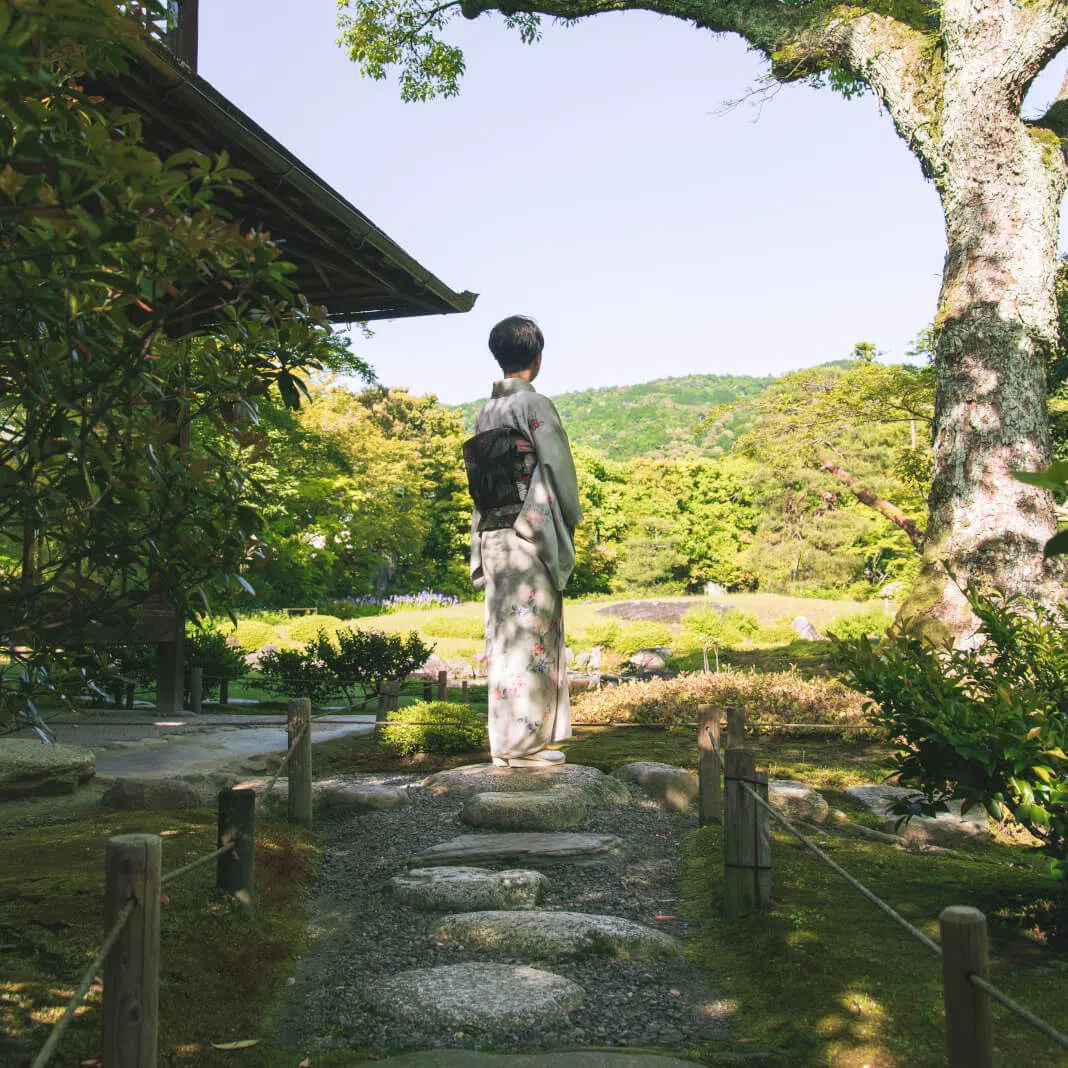
Murin-an (Higashiyama, a short walk from Keage and the Nanzen-ji approach) is the other essential wet-weather garden and the opposite in temperament. Ogawa Jihei VII built it in the 1890s for Yamagata Aritomo around moving water rather than raked gravel, fed by the canal that brings water into the city, with the Higashiyama ridge borrowed as the garden's back wall. In tsuyu the stream runs full, the moss and lawn ground cover reaches its densest, and the borrowed mountain goes properly misty, which is the effect the whole design reaches for. Entry is timed and booked online, roughly fifteen people per slot, at about ¥600 standard and about ¥900 in spring and early summer (up to ¥1,500 at the autumn peak). Guided tours take up to ten people; larger parties need prior consultation and around ten days' notice. That cap makes Murin-an a couples-and-small-party garden, and it is far better for it. You can sit in the villa's tatami room with the doors slid open and hear nothing but water.
Where the weather itself is the deity
Kifune Shrine (Kibune, in the northern valley beyond the city) is where to end, because it is the only site in Kyoto where rain is the subject rather than the condition. Kifune is dedicated to the water deity, and for centuries the Imperial Court sent horses here to petition the sky: a black horse to ask for rain, a white one to ask for it to stop. Visitors now float paper fortunes on the spring water to bring the writing up, a small piece of theatre that only works because water is the point of the place.
The shrine is free and the grounds are never closed; the office runs 09:00 to 16:30, and the stone lanterns flanking the stair are lit around sunset. That stair, red-railed and climbing between the lanterns under cedar, is the most photographed thing in the valley and it is unambiguously better soaked: black wet stone, dripping trees, mist coming down the slope. Two cautions. The approach is single file, so a large group turns it into a slow procession and irritates everyone behind it. And the Kibune road is tight, so coaches struggle. Come on the train and walk up along the river instead.
Planning the wet weeks
Timing. Tsuyu generally sets in around the second week of June and breaks in mid-July, and mid-June is the dependable overlap of peak moss and peak hydrangea. Go out early. Gates open between 08:30 and 09:00, gardens are emptiest in that first hour, and cloud light is flat and even all day, so you lose nothing by starting in the grey. Build each day around one far venue plus one city temple rather than three of either.
Transport. A rechargeable IC card covers the subway, city buses, JR and the private lines. Tōfuku-ji and Fujinomori are stops on the same southern JR line; Daigo-ji sits on the subway's east-west branch; Ohara needs a bus and Kibune the Eizan railway, both about an hour from the centre. Rain slows the buses badly, so treat the subway and JR as the reliable spine on a wet day.
Cash and booking. Carry yen in small notes and coins, because several of these gates do not take cards and goshuin stamps are cash only. Two places need forward planning rather than money: Saihō-ji, applied for through its own site well ahead, and Murin-an's timed slots, with ten days' notice if your party is larger than ten.
Budget and kit. Most gates run ¥500 to ¥1,000, so a three-temple day sits comfortably under ¥3,000 before transport, with Saihō-ji the one real expense at ¥4,000 plus the ¥110 fee and Kifune free. Bring a proper umbrella rather than a rain jacket, since temples are set up for umbrellas and have racks at every entrance. You will be taking shoes off indoors repeatedly, so footwear you can slip off beats boots. Socks get wet. Pack a spare pair.
For where to sleep, the Kyoto hotel search is the practical starting point. In June the eastern hills and the streets around Kyoto Station both make sense, the first for early access to the moss temples, the second for the trains running south and north. For everything outside the rain, the wider Kyoto guide covers it.