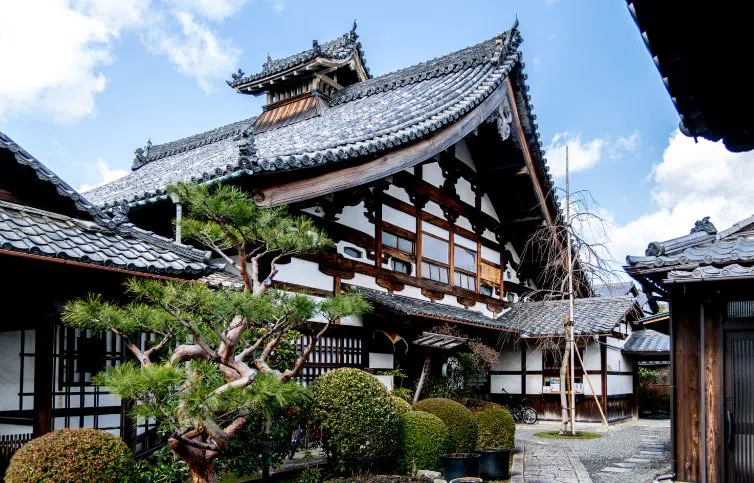
Before the tour buses start their engines, before the temple gates open to day visitors, a different Kyoto exists — one reachable only by staying inside it overnight. Sleeping in a shukubo, a temple lodging, means waking to a wooden bell or a hand drum, dressing in the grey half-light, and kneeling on a floor swept clean by monks who never advertise the view of the garden fifty metres away. It is the only ordinary way left to be inside a working Kyoto monastery instead of merely visiting one.
A shukubo is not a themed hotel. It is a functioning temple that happens to let outsiders sleep in its guest wing, eat what the monks eat, and — if they are willing to set an alarm — join or watch the same rituals the resident priests have performed every morning for centuries. Standards vary enormously, from ensuite hotel-grade rooms with wifi to a futon on tatami with a shared bathroom down the corridor. What follows groups Kyoto's shukubo the way a planner actually needs them: by who they suit, what language you'll need, and how much monastic reality you actually want with your sleep.
The Only Fully English-Language Shukubo
Shunkoin Temple, within the Myoshin-ji temple complex in western Kyoto, solves a problem every other shukubo on this list leaves you to solve yourself: the language barrier. It is Kyoto's most internationally run temple lodging, and the only one offering full Zen meditation instruction and temple tours entirely in English, led personally by the deputy abbot. The 90-minute meditation classes are built for groups, and the teaching is genuinely substantive rather than a tourist gesture — expect real instruction in posture and breath, not a photo opportunity. The catch is scale: there are only eight overnight rooms, so a party of six or eight needs to book well ahead of a Kyoto trip, not the week before. Expect roughly ¥8,000–¥15,000 per person, per night. For travellers who want the ritual explained rather than endured in silence, this is the starting point.
Head-Temple Lodgings: Hotel Comfort Inside a Working Monastery
A tier of Kyoto's shukubo belongs to the head temples of major Buddhist sects, and they operate at a different scale entirely — closer to a modest hotel than a monk's cell, built to absorb large tour groups without strain, while still running the real morning liturgy their sect is known for.
Chishakuin Kaikan, attached to the Shingon head temple near Sanjūsangen-dō in eastern Kyoto, is one of the largest shukubo in the city. Its ensuite, hotel-style rooms handle big groups with none of the friction smaller temples struggle with, and the shojin ryori (Buddhist vegetarian cuisine) here has a genuine reputation, paired with a morning sutra-copying session rather than seated meditation. Budget ¥9,000–¥16,000 per person, including two meals. One practical wrinkle worth flagging honestly: the temple's own booking page is currently mid-maintenance, so reserve by phone or through a hotel OTA instead of trying the temple site directly.
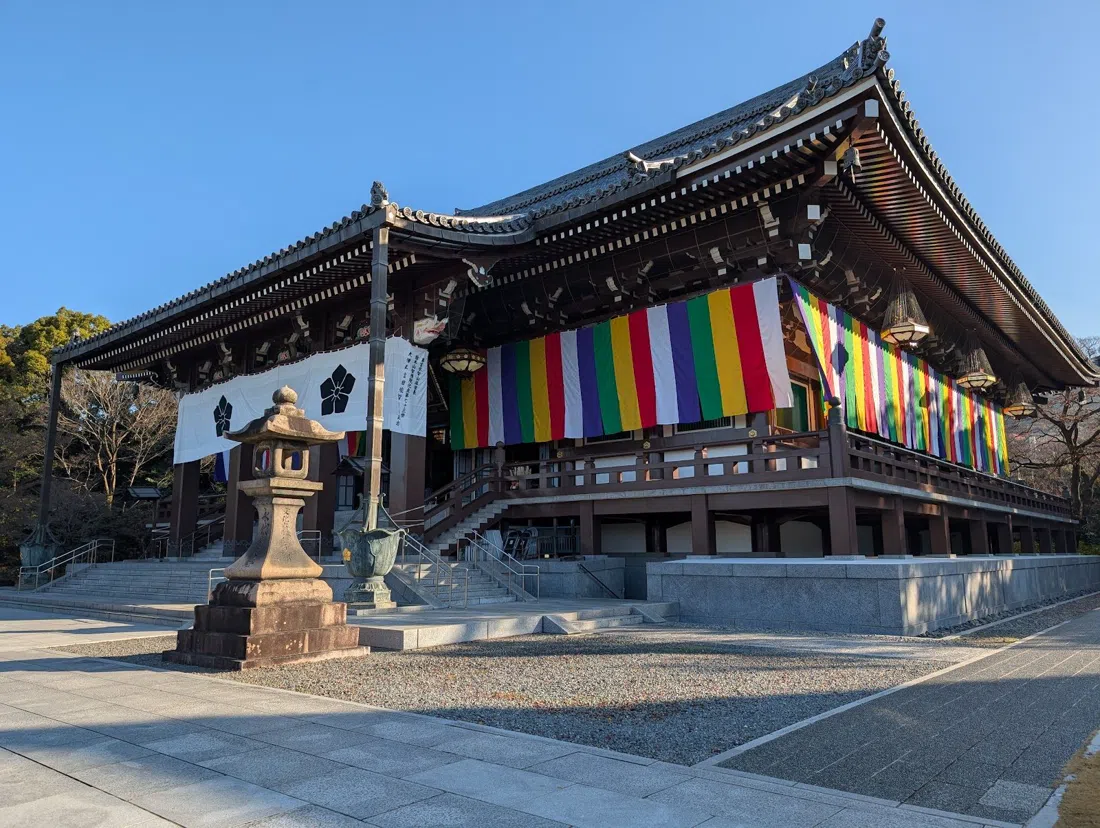
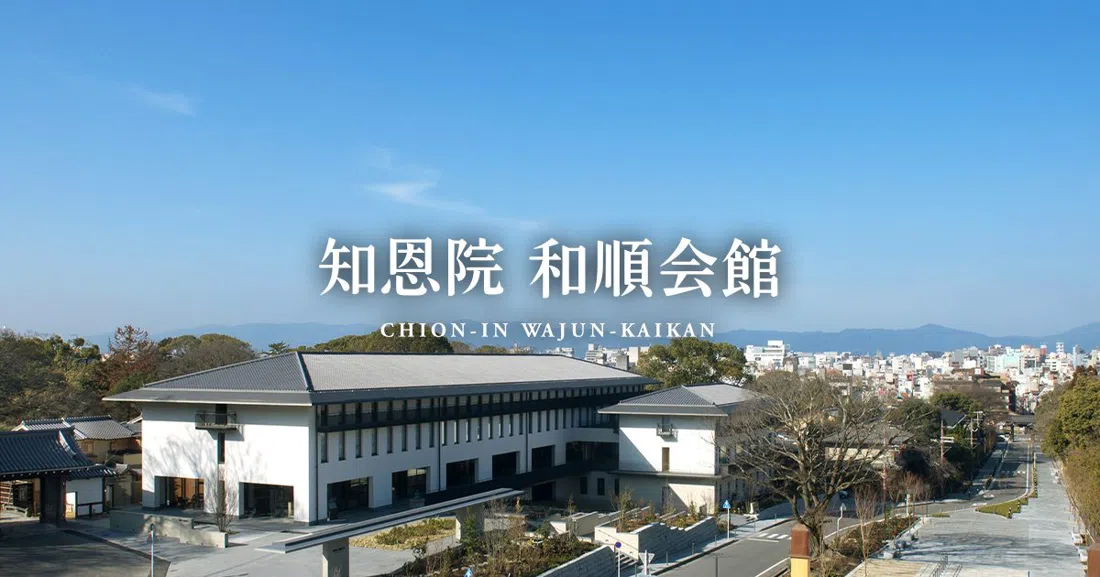
Chion-in Wajun Kaikan sits beside the Jodo sect's head temple on the Higashiyama hillside, at the edge of Gion, with fifty rooms split across Western, Japanese, and mixed styles — well suited to tour groups needing flexible room configurations. The draw is the 365-day morning service in the Mieido Hall, arguably the easiest way in Kyoto to pair an authentic, centuries-old ritual with hotel-grade comfort. Expect ¥10,000–¥20,000 a night. The one policy to plan around: an 11pm curfew, which matters if your evening includes a late dinner in central Gion.
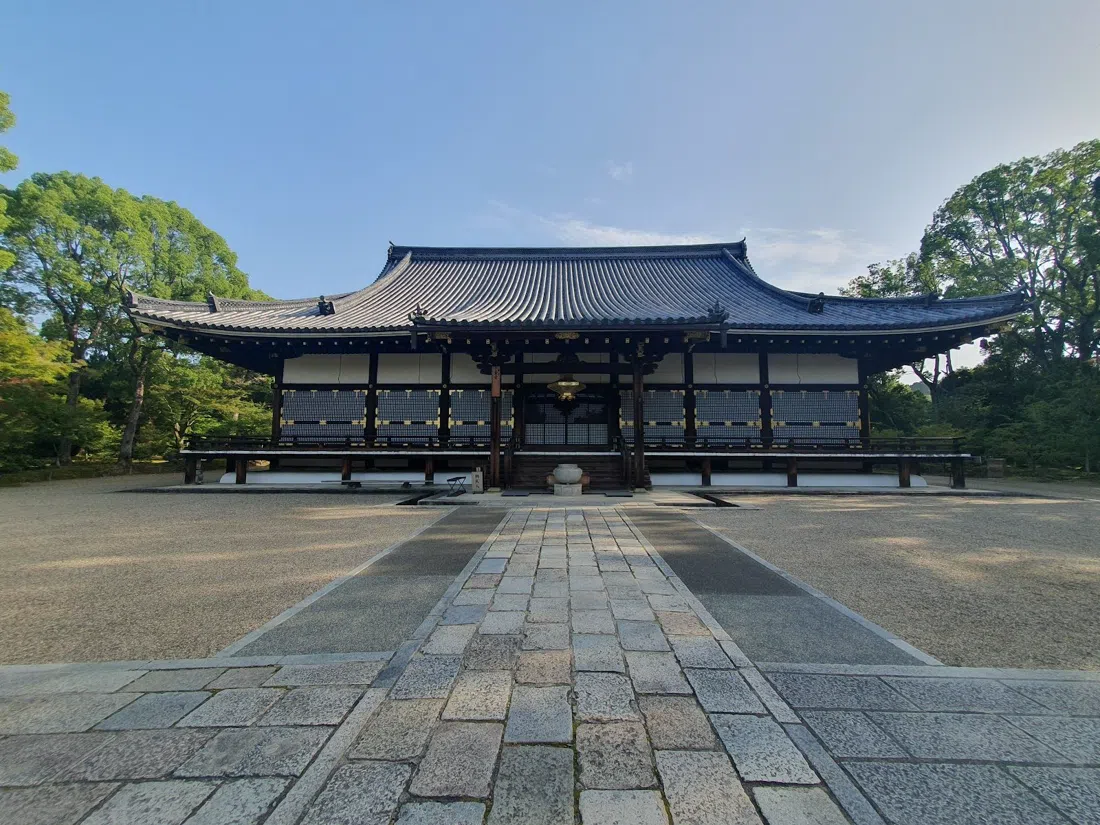
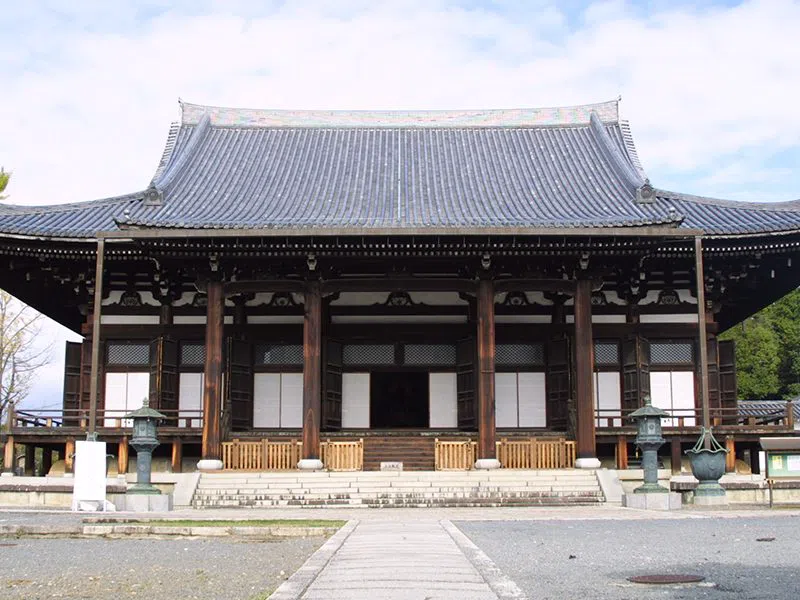
Ninna-ji Omuro Kaikan, at the World Heritage temple of Ninna-ji in the Omuro district of western Kyoto, is the best choice on this list for a genuinely large group — it sleeps up to 66 guests across its rooms. Overnight guests get a free pass into the Goten palace quarters, on top of the morning service in the Kon-do, which is hard to match for scale and heritage in one booking. Rates run roughly ¥10,000–¥18,000 including dinner and breakfast.
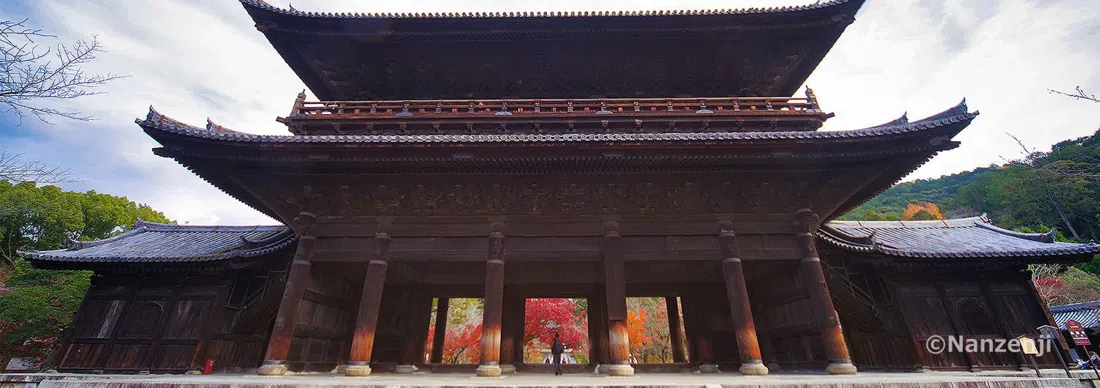
Nanzen Kaikan, by Nanzen-ji at the start of the Philosopher's Path in Higashiyama, has been renovated with wifi and air conditioning and suits small-to-mid-sized groups comfortably. Its distinguishing feature is that morning meditation and prayers are optional rather than compulsory — a good fit for guests who want the atmosphere of a working temple without a mandatory 6am start dictating the whole trip. Expect ¥8,000–¥14,000 a night.
Small, Quiet, and Genuinely Monastic
For travellers who want less institution and more monastery, a handful of smaller shukubo offer something closer to what the word actually implies — at the cost of English-language support and same-day booking convenience.
Tōrin-in, a Zen sub-temple within the Myoshin-ji complex in western Kyoto, is one of the most genuinely monastic stays left in the city: small-scale, quiet, built for pairs or small parties rather than tour groups. It includes two shojin meals and runs roughly ¥9,000–¥13,000. It is phone-booking only (075-463-1334), and there is no English-speaking staff, so book through a bilingual contact or travel agent rather than trying to arrange it cold.
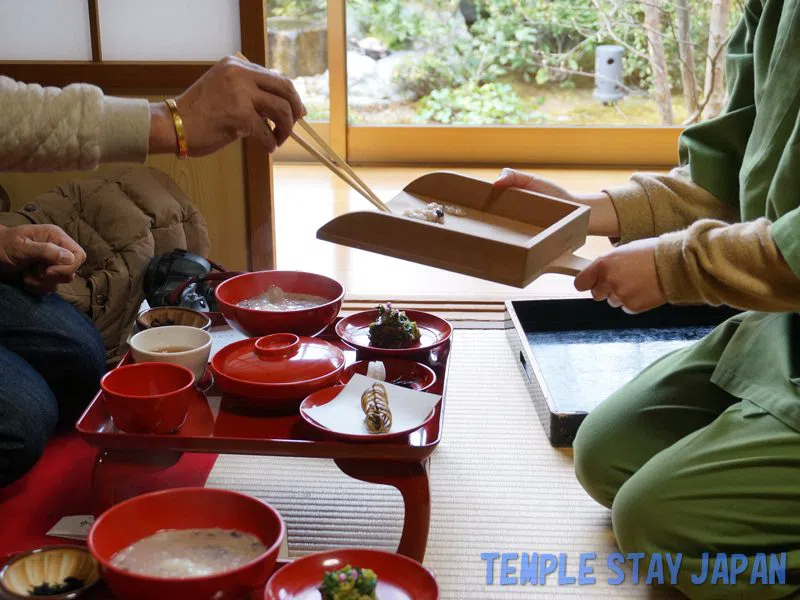
Myoshinji Daishin-in, another sub-temple in the same Myoshin-ji complex, is the real, unfiltered version of a Kyoto shukubo — no English, phone-only booking (075-461-5714), and rates of roughly ¥5,000–¥8,000 a night. Small groups can be accommodated, but this is a stay for travellers comfortable navigating a booking entirely in Japanese, or willing to have someone do it for them.
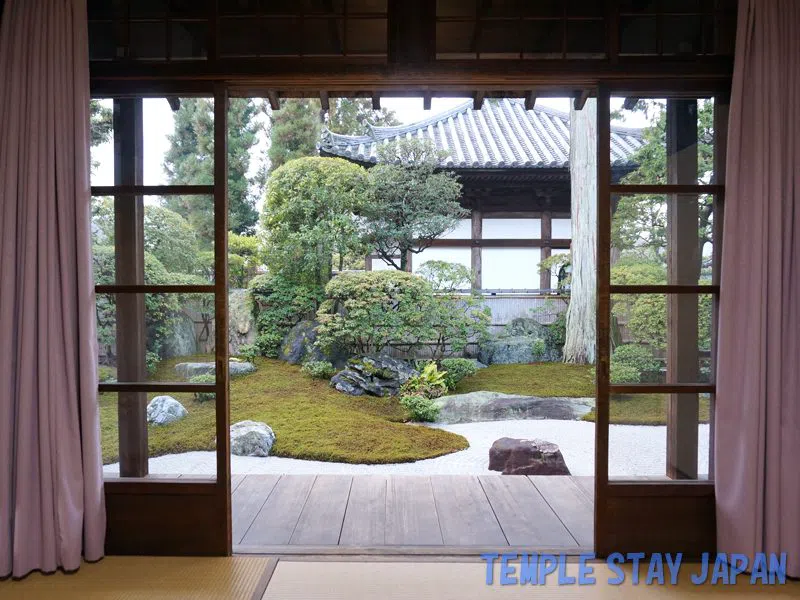
Yugyoan, the shukubo of Chōrakuji, sits above Gion near Maruyama Park and has only six rooms — a stay built for couples or a very small group, not a tour party. What makes it worth the limited capacity is that the head priest personally leads the 7am service, a direct-abbot touch that is rare anywhere in the city, in what is arguably the best location on this list for exploring Gion on foot afterward. Expect ¥7,000–¥11,000 a night.
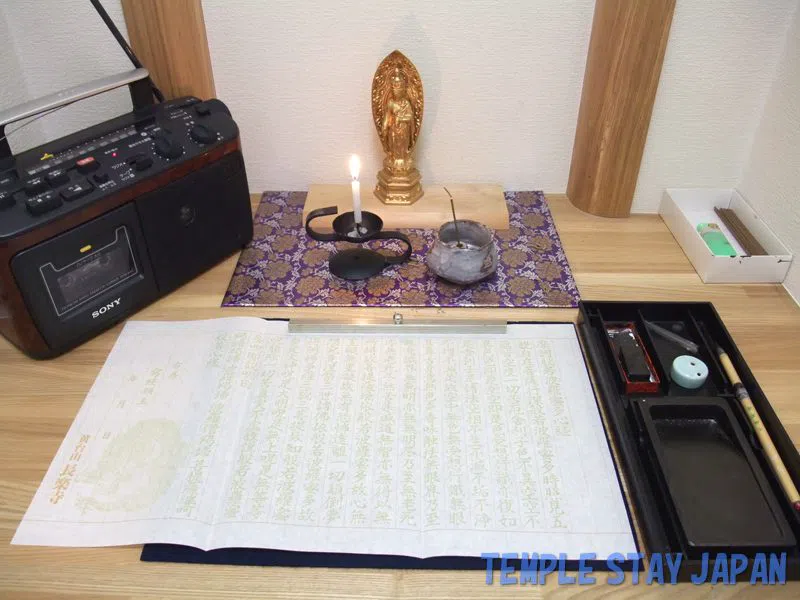
Budget Stays for Early Risers
At the honest, no-frills end of the shukubo spectrum are two temples that make no attempt to be a hotel, and are better for it if a low price matters more than comfort.
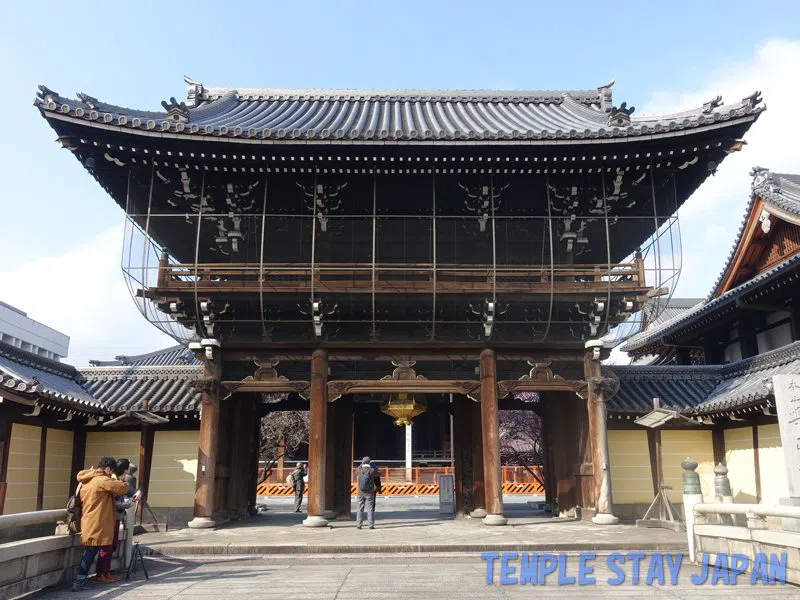
Myoren-ji, in Nishijin, the old weaving quarter north of the city centre, is about as bare-bones and monastic as a Kyoto stay gets: a futon, a low table, no meals provided, no locking doors, and a shared bathroom. It suits budget-minded small groups who understand exactly what they're booking, not comfort-seekers. Rates run ¥3,000–¥5,000 a night with no meals included, and there's an optional 6:30am service for anyone who wants it — a good, honest counterpoint to the hotel-grade shukubo elsewhere on this list.
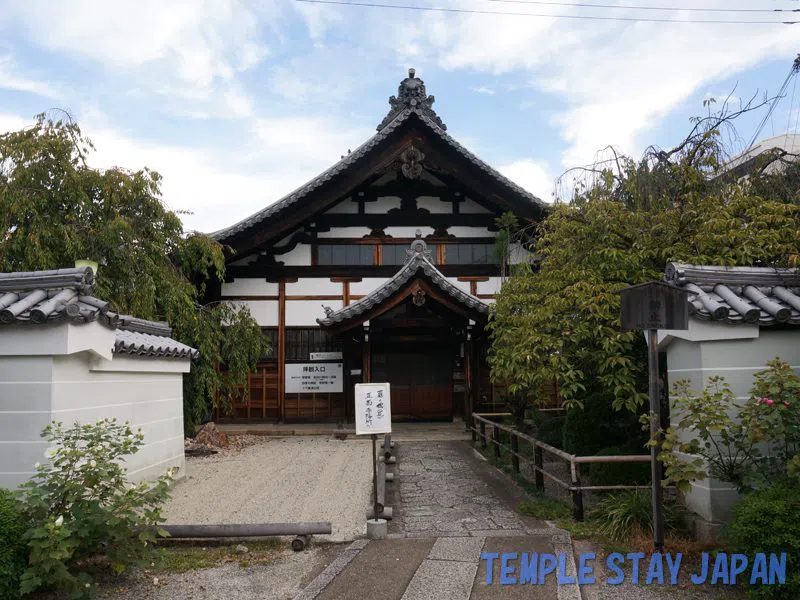
Kosho Kaikan, the shukubo of Kōshō-ji, is a short walk from Kyoto Station, making it the most convenient genuinely cheap option in the city for anyone arriving late or leaving early. Rooms are simple with shared bathing facilities, workable for small groups on a tight budget, at ¥4,000–¥6,500 a night. Bring your own toiletries — they aren't provided.
Private Temple Stays for Couples and Small Retreats
At the opposite end from the budget shukubo sits a newer category: temple lodgings that book exclusively for one party at a time, with no shared halls and no other guests to work around.
Shukubo Konkoin Hotaru-an takes only one group per day, which makes it effectively a private hire rather than a shared guesthouse — shojin ryori is served in-house, and there is no crossover with other travellers at all. It opened in March 2025, making it the newest shukubo on this list, and the most private. Pricing is premium, roughly ¥40,000–¥80,000 or more for the whole group, so it works best split across a small party rather than booked for one or two people. Exact directions are typically confirmed only once a booking is placed, in keeping with its private-hire model.
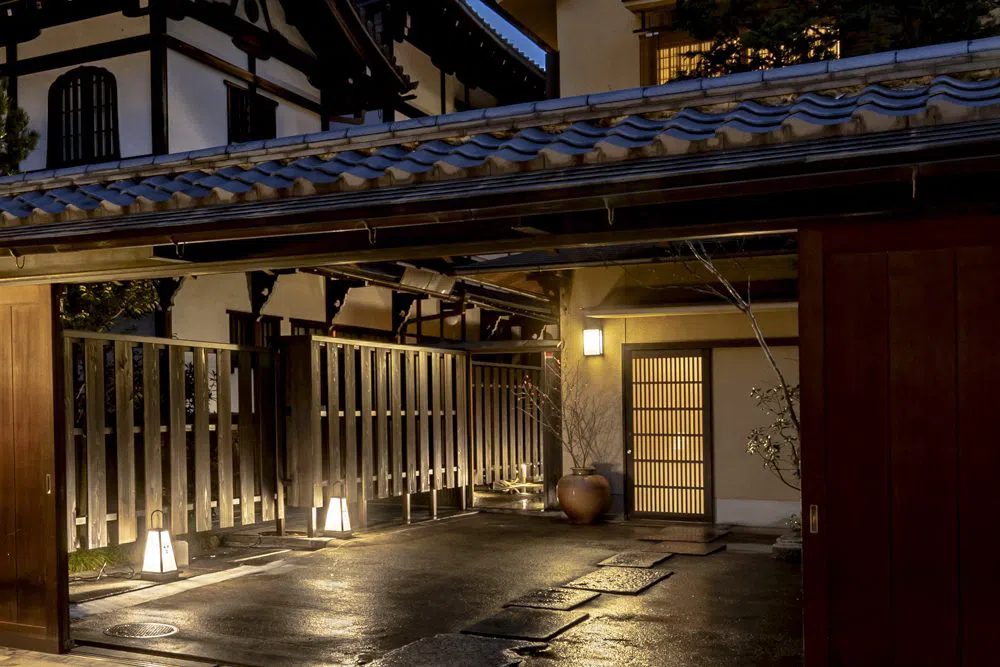
Shukubo Kanetsune, the guest lodging of Kōsei-in, rents its entire house privately for one to five guests, and a party can add the dining room to reserve the whole premises outright. It's worth being clear-eyed about what this is: the real draw is the design story, a Toyo Ito-overseen restoration of a long-closed scenic garden, which makes the experience closer to a design retreat than a monastic one. Expect roughly ¥60,000–¥120,000 or more for the house. Anyone booking this expecting sutra-chanting at dawn should adjust expectations; anyone booking it for architecture and a private garden will not be disappointed.
Planning a Shukubo Stay
Book the smaller and mid-sized temples by phone or through a bilingual contact — several, including Tōrin-in and Myoshinji Daishin-in, have no English-speaking staff at all, and turning up unannounced does not work at a working monastery. The larger head-temple lodgings (Chishakuin Kaikan, Chion-in Wajun Kaikan, Ninna-ji Omuro Kaikan) are more forgiving and can often be reserved through a hotel booking platform when a temple's own site is down, as Chishakuin's currently is. If a shukubo is full for your dates, or you'd rather split the trip between a temple night and a conventional stay, the Kyoto hotel search covers the rest of the city.
Carry cash. Many shukubo, particularly the smaller and budget ones, take yen only and have no card terminal; even the larger lodgings can have limited card facilities, so don't rely on plastic for incidentals. Curfews are common and not flexible — Chion-in Wajun Kaikan locks its gates at 11pm, and several of the smaller temples close earlier, so plan any late dinner in Gion or Pontocho around your return, not the other way round.
The morning is the actual point of a shukubo stay, so don't schedule it as an afterthought. Services generally start between 6am and 7am; arrive in Kyoto the day before, sleep early, and treat the pre-dawn walk to the hall as part of the experience rather than an inconvenience. Expect shojin ryori — Buddhist vegetarian cuisine, seasonal and plant-based by doctrine rather than trend — at temples offering meals, and note which stays (Myoren-ji, the budget end) provide none at all.
Budget realistically by category: roughly ¥3,000–¥8,000 a night for the no-frills and small monastic stays, ¥8,000–¥20,000 for the comfortable head-temple lodgings with meals included, and ¥40,000 upward for the two fully private houses, which price per group rather than per person. For everything else — where to eat before or after a temple stay, and how to fit one into a wider Kyoto itinerary — see the full Kyoto guide.