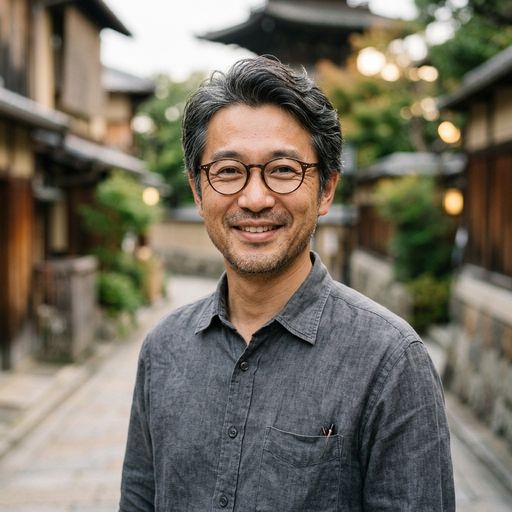
Kyoto keeps its warrior history in working buildings, not just museum cases. A dojo hall still runs weekday aikido classes behind Heian Shrine, a kyudo archer still nocks arrows in a Gion backstreet, and a preserved merchant house in Mibu still shows the actual sword gouges left the night the Shinsengumi killed one of their own. None of it was staged for a 48-hour visit, but all of it can be strung into one — if you know which stops are genuine martial arts and which are theater, understand which ones want couples and which want a coach party, and book the ones that require it days ahead rather than discovering that on arrival.
The temptation with a theme like this is to treat it as a checklist, ticking off sword, bow, and sumo in whatever order the map suggests. Resist that. The morning light in Okazaki, before the tour buses reach Heian Shrine, is the right time to watch a dojo class rather than photograph an empty hall at 3pm. The Shinsengumi sites in Mibu reward being seen in sequence — temple, then residence, then museum — because the story compounds. What follows is that order, built across two days, with the honest caveat attached to each stop about who it actually suits.
Day One Morning: The Working Dojo and the Bow
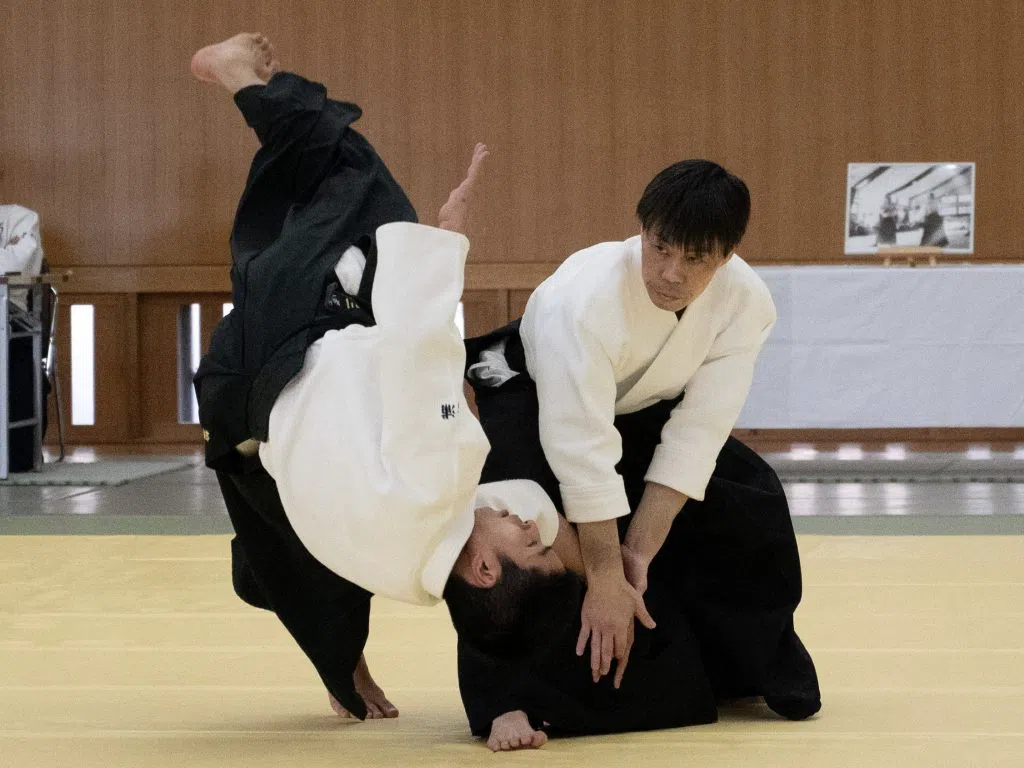
Start with the real thing before the shows, because the real thing keeps a schedule you have to work around rather than one built for you. The Kyoto Budo Center (Butokuden) in Okazaki, a short walk from Heian Shrine, is a cultural-property martial arts hall, not a tourist attraction — the grounds are free to roam for anyone who wanders in, and the resident Yoshinkan Aikido dojo runs no-reservation visitor trial classes. There's no booking system to fight; you arrive twenty minutes early, put your name down, and pay ¥2,200 for the trial class itself. Viewing the hall costs nothing, and even if you don't take the class, standing inside a working cultural-property dojo before the neighborhood fills with Heian Shrine tour groups is worth the detour on its own. This is the closest a visitor gets to Kyoto's martial arts as they're actually practiced, not performed, and it's worth building the whole morning around its class times rather than squeezing it in between other stops. If you're bringing a group larger than a handful, call ahead — the hall is a working space, not an event venue, and a crowd needs a heads-up.
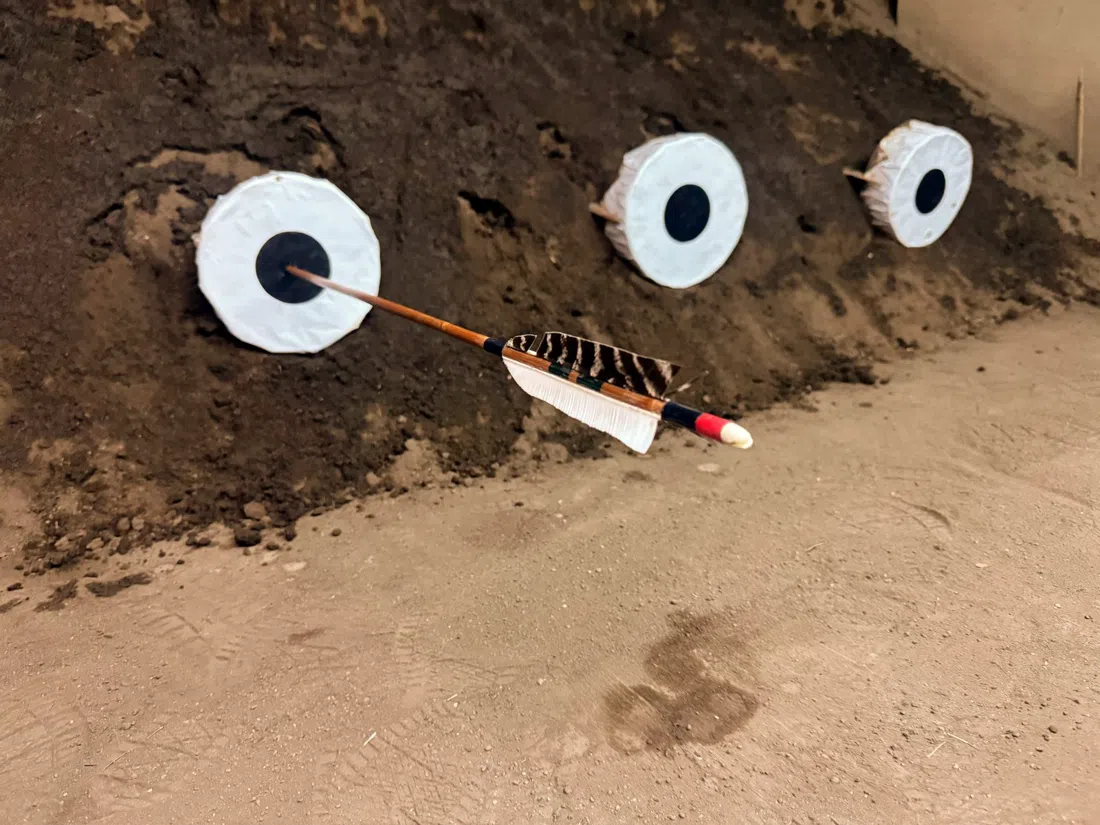
A few minutes across town in Gion sits Enzan Daikyujo, Japan's oldest dojo of its kind and a reminder that the samurai's signature weapon wasn't the sword at all — it was the bow. Sessions here are fully private, sixty minutes, ¥8,000–12,000 depending on group size, and arranged in advance rather than walked into. Small groups are accommodated by arrangement, but this isn't a drop-in stop; email ahead of your Kyoto dates, because a dojo this size doesn't run parallel sessions and a full hour is booked around you alone. There's something particular about drawing a bow in the middle of Gion, a neighborhood better known for geiko sightings and teahouse alleys than for archery, that makes the point better than any placard could: the sword gets the films, but the bow is the older discipline. Pair it with the Budo Center on the same morning and you've covered both ends of real Kyoto martial arts — open hand and drawn bow — before lunch.
Day One Afternoon: The Sword Stage
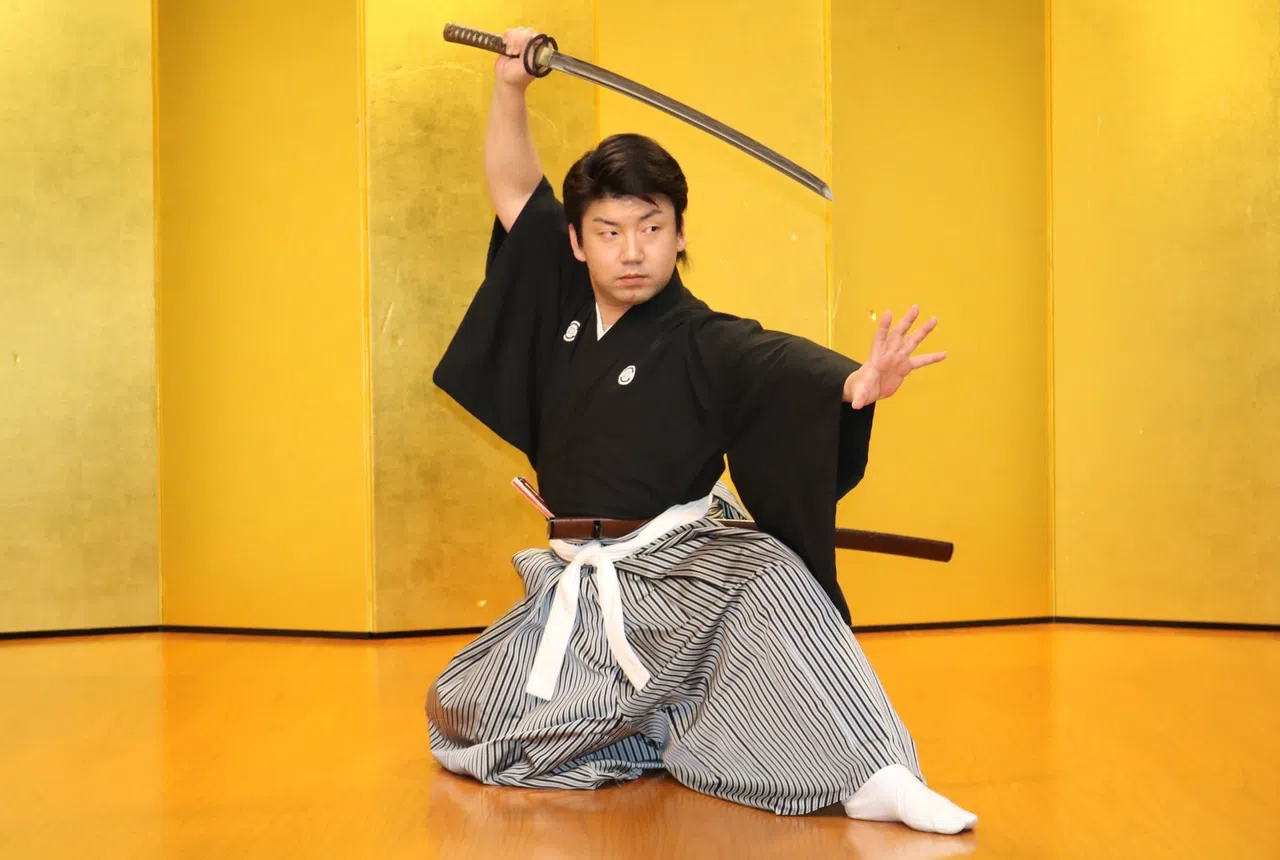
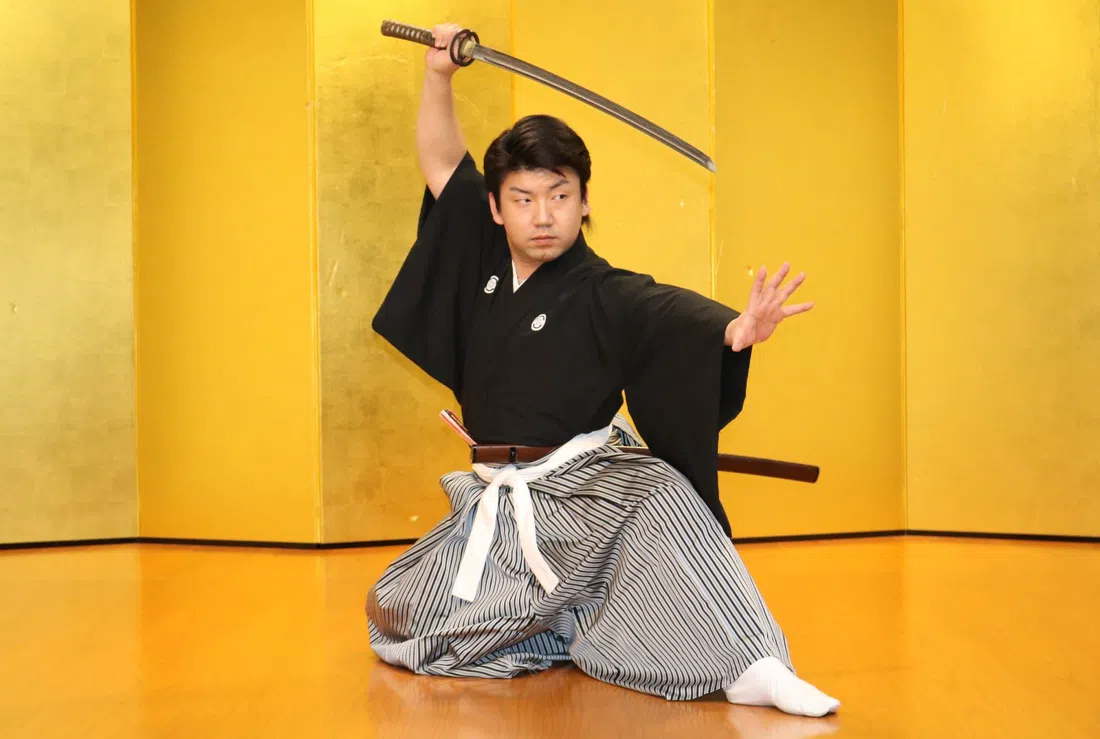
For most visitors, a real dojo visit is more discipline than spectacle, so the afternoon is where the circuit turns theatrical without turning fake. The Samurai Kenbu Theater, in Higashiyama a few minutes from Kiyomizu-dera, runs a one-hour sword-dance show with English narration — small groups are welcome, and private or group bookings go through by phone or email rather than a walk-up counter. It's the most accessible entry point to real swordsmanship on the whole circuit: choreographed, yes, but performed by practitioners, not actors, and the audience gets to hold a genuine sword afterward for photos. Budget ¥3,000–5,000 per person (roughly $20–35) and book ahead — this is a small room, and it sells out on weekends in cherry blossom and autumn foliage season, when every other Higashiyama attraction is also at capacity and the theater becomes one of the few indoor options with air conditioning and a seat.
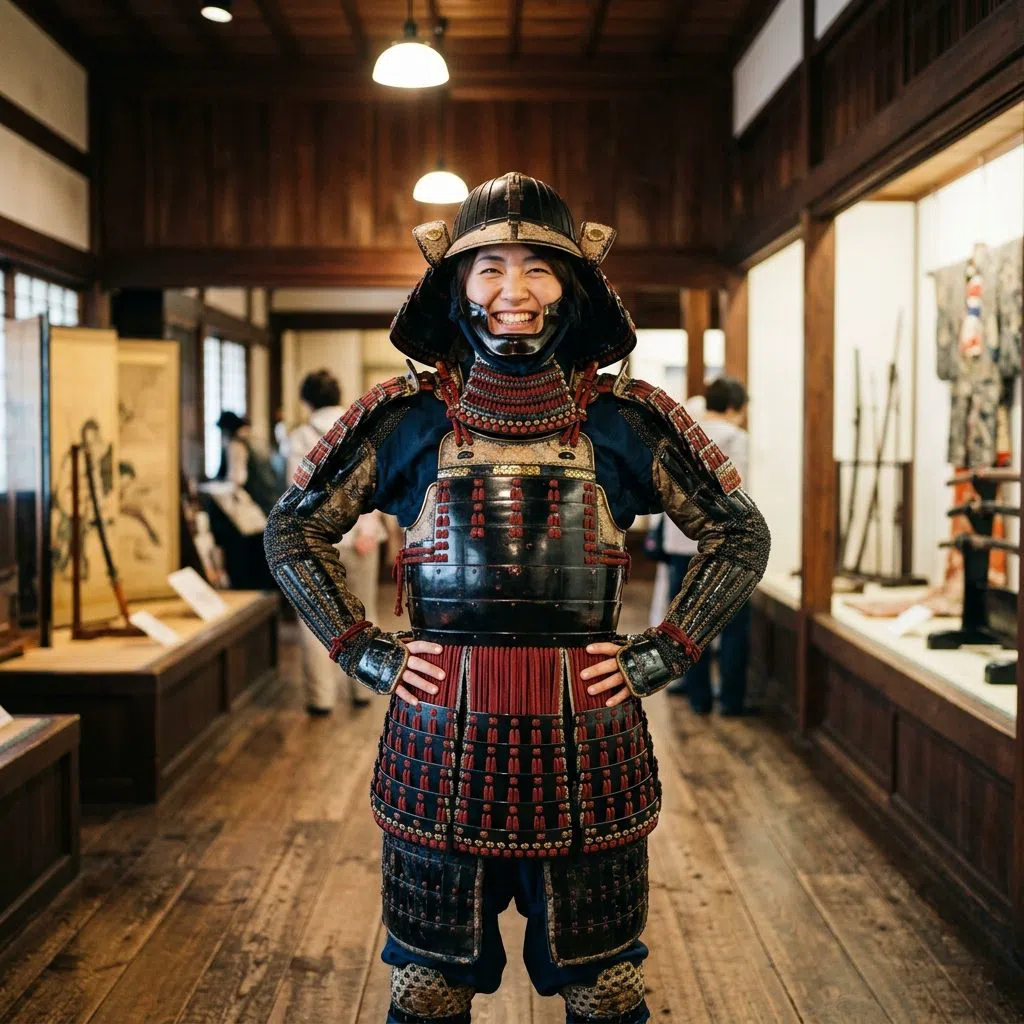
Follow it with the Samurai & Ninja Museum Kyoto (With Experience), close to Nijo Castle, which runs deliberately intimate small-group English-guided tours every fifteen minutes rather than one large timed entry. Base admission starts at ¥3,500 per person; the hands-on experience upgrades, where you actually handle real armor and blades rather than replicas behind glass, run ¥7,000–10,400 and up. This is the most reliable hands-on-real-gear stop on the whole circuit, and also the one most likely to be full without a reservation — book a week ahead if your 48 hours fall in late March through early April or in November. Families with children do well here precisely because the tours are capped small; nobody gets lost in a crowd of forty waiting for a guide to notice them.
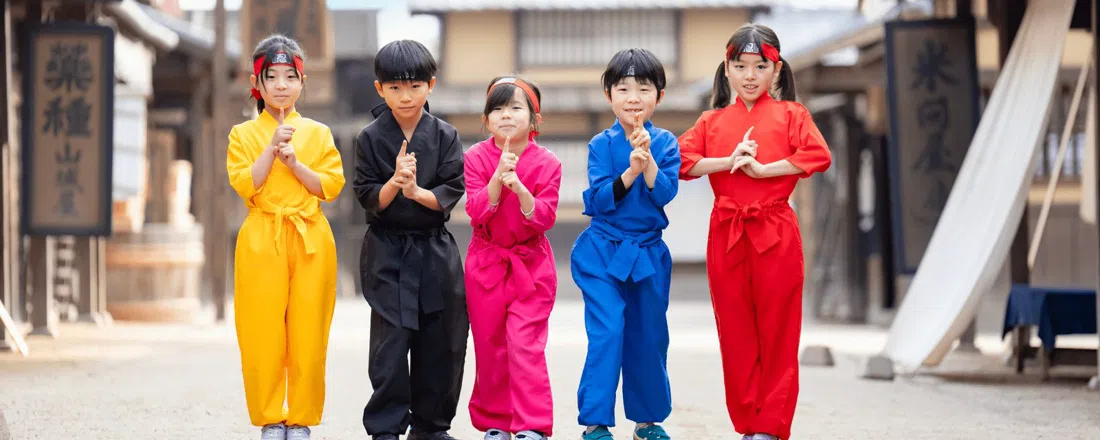
If you're traveling with a school group, a large tour party, or kids who need somewhere to run rather than stand still for a guided talk, the afternoon splits differently: Uzumasa Kyoto Village, out in Uzumasa on Kyoto's west side, is the rebranded, phase-one-reopened former Toei Kyoto Studio Park, relaunched on 28 March 2026. It's built for exactly this kind of crowd — school and tour groups are its core audience, not couples looking for an intimate afternoon — with a live ninja show and street sets already running even though later renovation phases stretch into 2027. An adult day ticket runs ¥2,400–2,800, with paid attraction add-ons on top. It's a fun, unpretentious stop for families and groups; anyone chasing genuine martial arts craft should treat it as a detour from the circuit, not a stop on it, and plan around the fact that parts of the park are still mid-renovation through next year.
Day One Evening: Sumo, Honestly
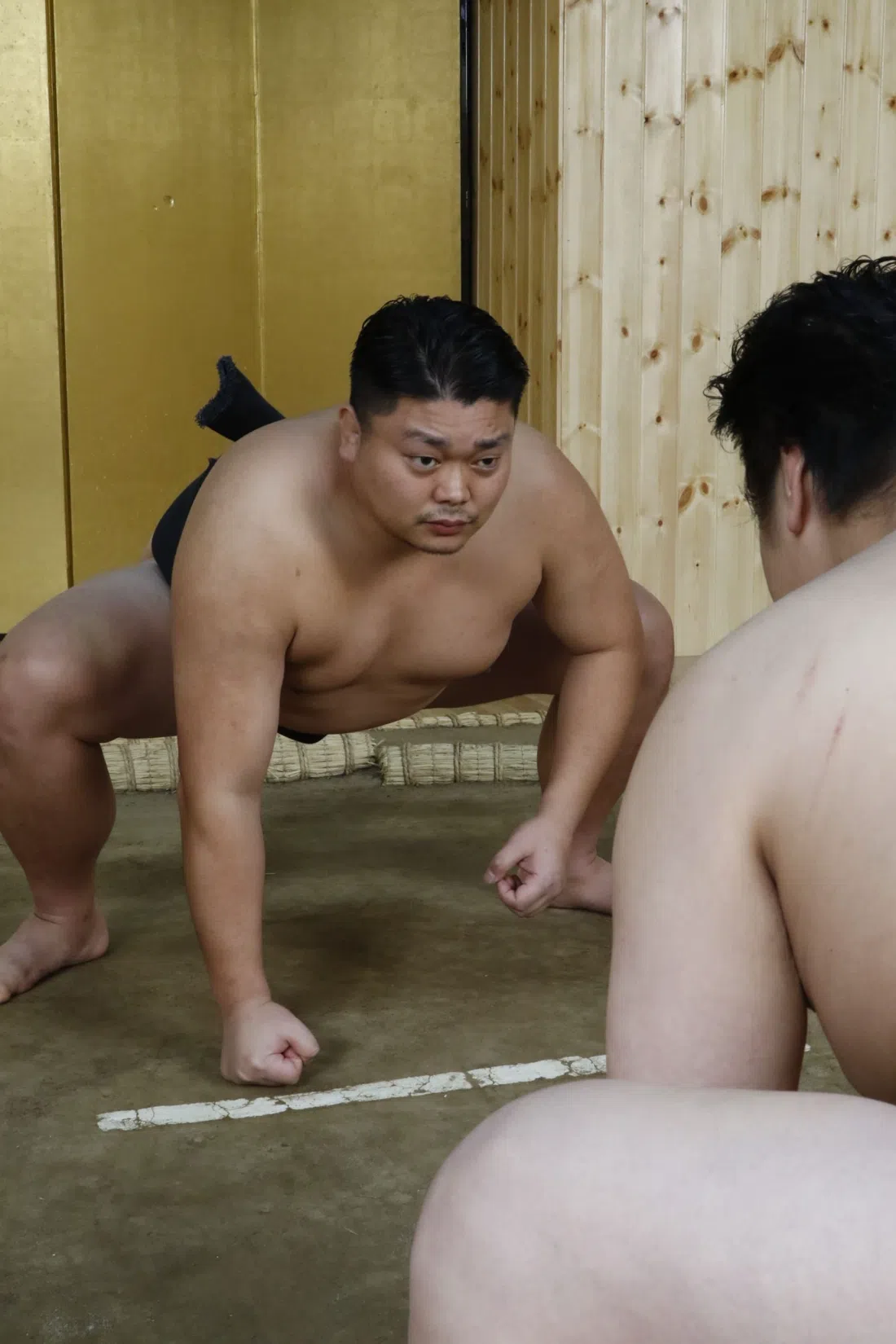
Here's the thing to know before you book: there is no sumo stadium in Kyoto. That's Tokyo. What Kyoto has instead is the Kyoto Sumo Club, and it's worth being upfront about what it is — a dohyo-plus-chanko dinner-show format, not a live tournament. Private group bookings run by phone or online across four sessions daily, at ¥16,000 for the standard adult package or ¥25,000 for VIP, dinner included. It's honest and well-run for what it is: a genuine ring, real technique demonstrated up close, and a proper chanko-nabe dinner rather than a buffet afterthought bolted on for tourists. If what you actually want is a bare competitive arena with a roaring crowd, skip it and wait for Tokyo, where the real basho happens. If you want to understand sumo as a discipline, at close range, with a group, seated at a table rather than in stadium bleachers three hundred feet from the ring, it delivers exactly what it promises. Book the session that fits your evening rather than defaulting to the first slot — the later sessions run quieter and give the wrestlers more room to talk through what they're doing.
Day Two Morning: The Shinsengumi History Leg
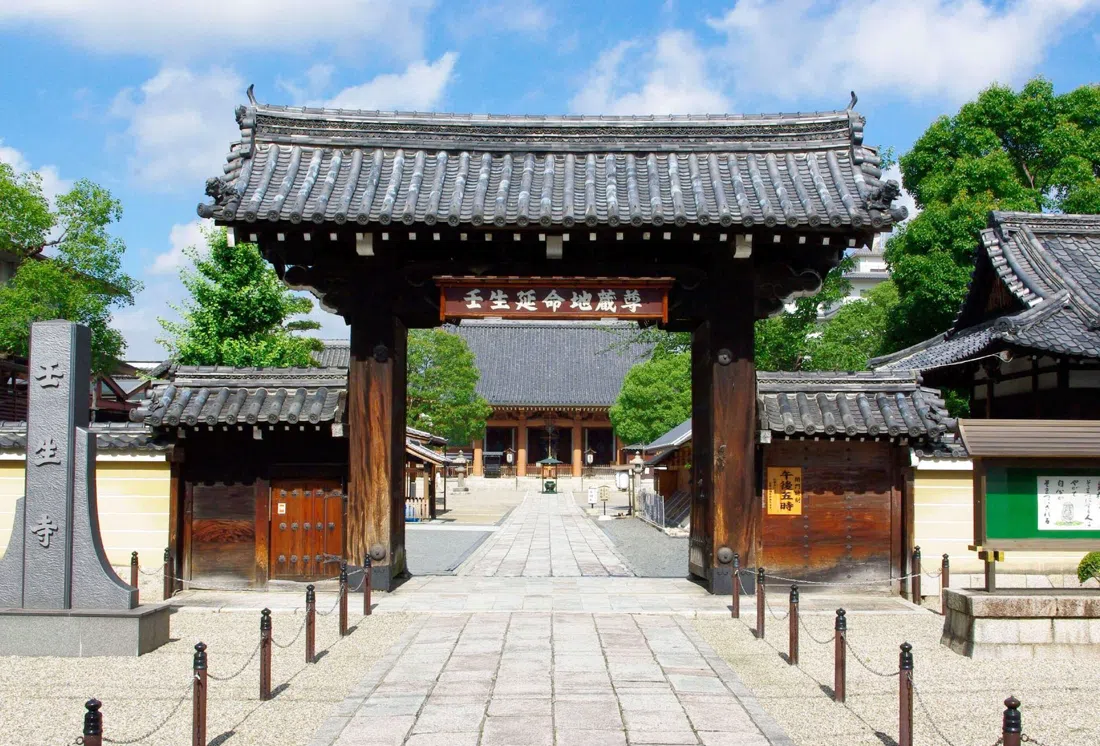
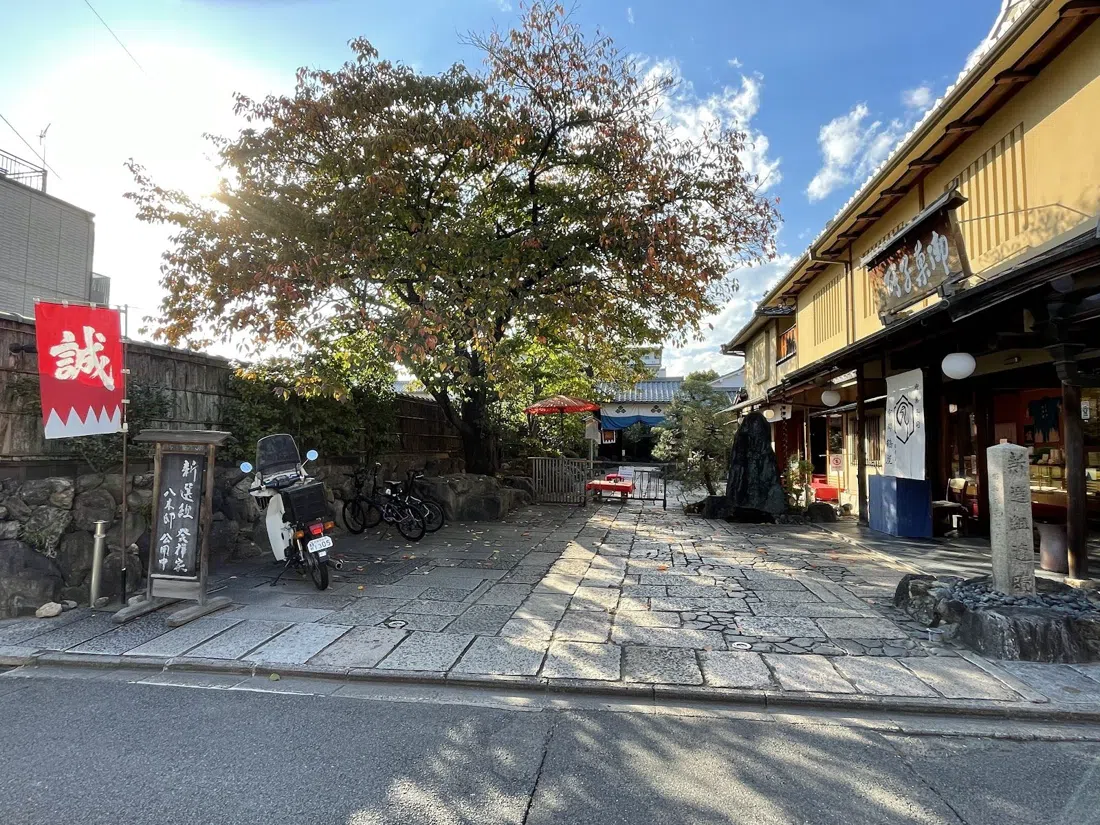
The second day belongs to history rather than performance, and Kyoto's Shinsengumi sites cluster tightly enough in Mibu to walk between them in a single morning, which is rare for this city. Start at Mibudera Temple, the real former headquarters of the Shinsengumi swordsmen — general grounds entry is free and groups are welcome, with a small fee for the paid exhibition hall. If your dates allow it, time the visit for 16 July, when the temple holds its annual martial-arts memorial performance; outside that date it's a quiet, contemplative stop rather than an event, and arguably the better introduction for it — you get the ground the Shinsengumi actually trained on without a crowd between you and it.
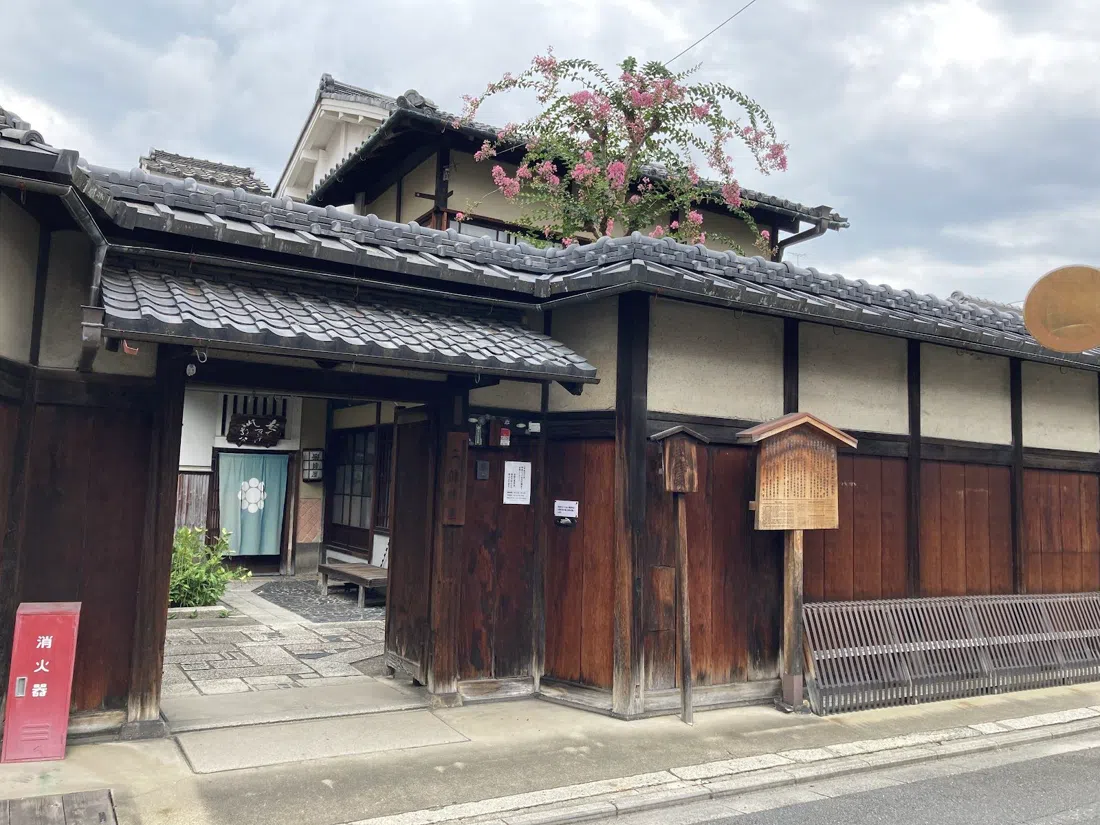
A short walk away is Yagi Mansion (Shinsengumi Mibu Tonjo Kyuseki), the single most visceral stop on the entire circuit. This preserved samurai residence still carries actual sword-strike damage from a real assassination — not a re-enactment, not a prop, not a plaque describing what happened but the actual cut marks in the actual wood. Small guided tours run through the house, with groups accommodated given advance notice; ¥1,100 gets you the full guided visit with matcha and mochi included, or ¥600–800 for a tour-only ticket. No photos are permitted past the gate, which at first feels like a restriction and quickly feels like the point — some places are better carried in memory than in a camera roll.
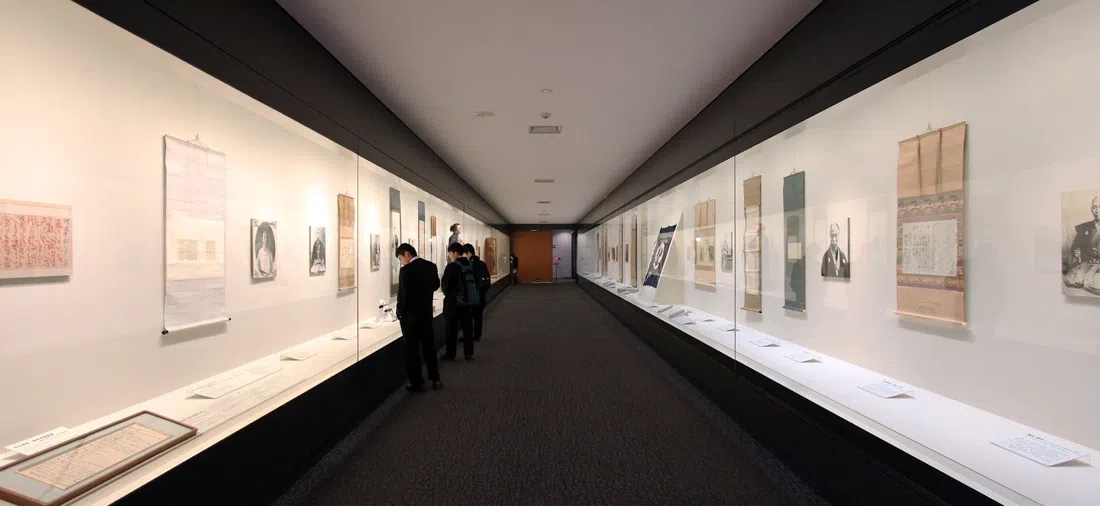
Round out the morning at the Ryozen Museum of History, on the Higashiyama hillside near Kiyomizu-dera, which is running a dedicated Shinsengumi exhibition through 13 September 2026. Standard museum group visits are accommodated and admission is modest — check the current fee on booking. It pairs naturally with Mibudera and Yagi Mansion; seeing the artifacts, the letters, and the weapons after standing in the rooms where the events happened lands differently than the other way around, and it's worth doing in that order even if the geography means backtracking across town.
Day Two Afternoon: Ninja Architecture and a Photogenic Close
Before the circuit turns purely visual, one more stop belongs to genuine defensive design rather than costume. Nijo Jinya (Ogawa Residence), near Nijo Castle, is the real defensive architecture that every ninja-house movie trope borrows from — trick stairs, hidden rooms, escape routes built into a working merchant residence rather than a purpose-built attraction. Tours are capped at ten people, running three to four times daily, and conducted in Japanese only, so bring an interpreter or a translation app if you need one. Admission is ¥1,000 for adults, ¥500 for students, and the house is closed on Wednesdays — book online in advance, since a ten-person cap fills fast, especially in high season when every English-language guidebook has already flagged it.
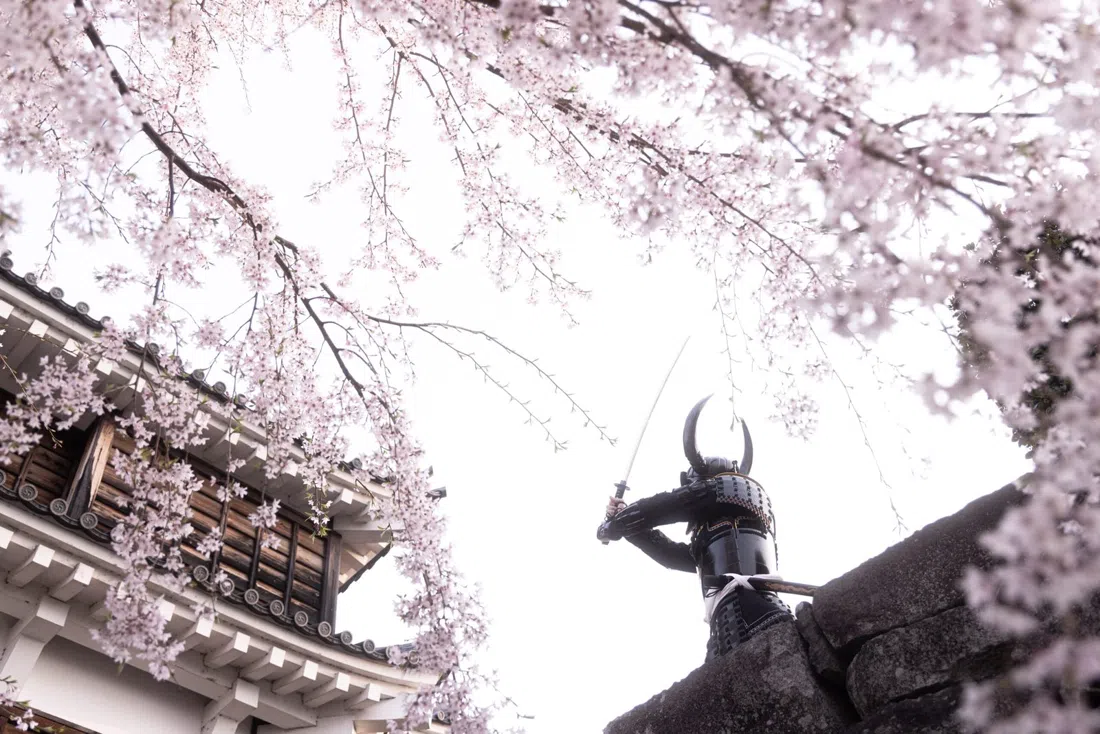
Close the circuit at SHOGUN STUDIO JAPAN, a samurai armor photo studio that books both individuals and groups, with a second location opening at Hotel Emion Kyoto on 8 August 2026. Packages run roughly ¥15,000–25,000 per person. Be clear-eyed about what this is: costume photography, not martial arts, and the polished, magazine-shoot end of the circuit rather than its historical core. It's a genuinely good closer after an afternoon at Arashiyama's bamboo grove, when you want a striking photo in real armor rather than another lesson in technique — just don't mistake it for the dojo work that came before it, and don't let it be the only martial arts memory of the trip.
Practical Notes
Getting between these stops means mixing Kyoto's bus network with short taxi hops — the Mibu sites and Nijo Jinya sit close enough together to walk, but Uzumasa, Gion, and Higashiyama are each their own trip, so budget transit time rather than trying to force everything into back-to-back hours. Carry cash: several of these venues, especially the smaller dojos and the preserved houses, don't run card readers, and Yagi Mansion's ¥1,100 entry is far easier handled in coins and small notes than a card machine nobody has. Book the Samurai & Ninja Museum, the Kenbu Theater, the Sumo Club, and Enzan Daikyujo ahead of arrival — same-day walk-ins work at Mibudera, the Budo Center's grounds, and the Ryozen Museum, but not at the small-group or private venues, where a full slot means a full slot. For the full 48 hours across both days, a realistic per-person budget lands between ¥25,000 and ¥45,000 depending on how many experience upgrades and private sessions you add, before food and transit. Cherry blossom season (late March–early April) and autumn foliage (November) are when the reservation-only stops fill first, so lock those in before you lock in a Kyoto hotel search — and for the rest of the city beyond this circuit, the Kyoto guide covers where to stay and eat around each of these neighborhoods.