
Kyoto
Kyoto is a city defined by a striking, sometimes jarring duality.
Guests & rooms
The Kyoto guide
An insider’s read on Kyoto
KKyoto is a city defined by a striking, sometimes jarring duality.
For over a millennium, Kyoto served as the imperial capital of Japan, a legacy that shielded it from the worst destruction of World War II. While other major cities were rebuilt from ash, Kyoto preserved its historic layout, temples, and traditional crafts. This preservation has fostered an insular, proud, and deeply artistic local character. Locals value discretion, refinement, and a deep connection to the passing seasons, which influences everything from textile design to daily meals.

PLATE IKyoto, Japan

Guides & ideas
The Kyoto reading list
Hand-written guides from our editors — itineraries, the best of after dark, where to eat, and what’s genuinely worth your time.
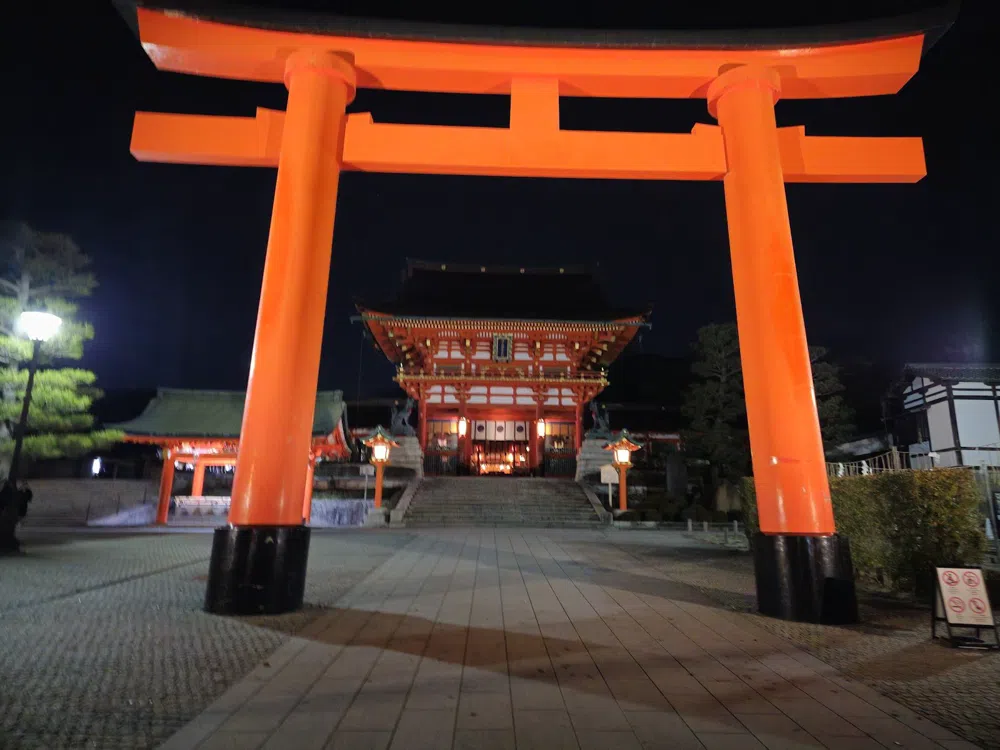
A Night Walk Through Kyoto's Back-Alley Shrines
Kyoto's small shrines keep no closing time, and between eight and midnight the lanes above Gion belong to the people who live on them. This is how to walk them properly.
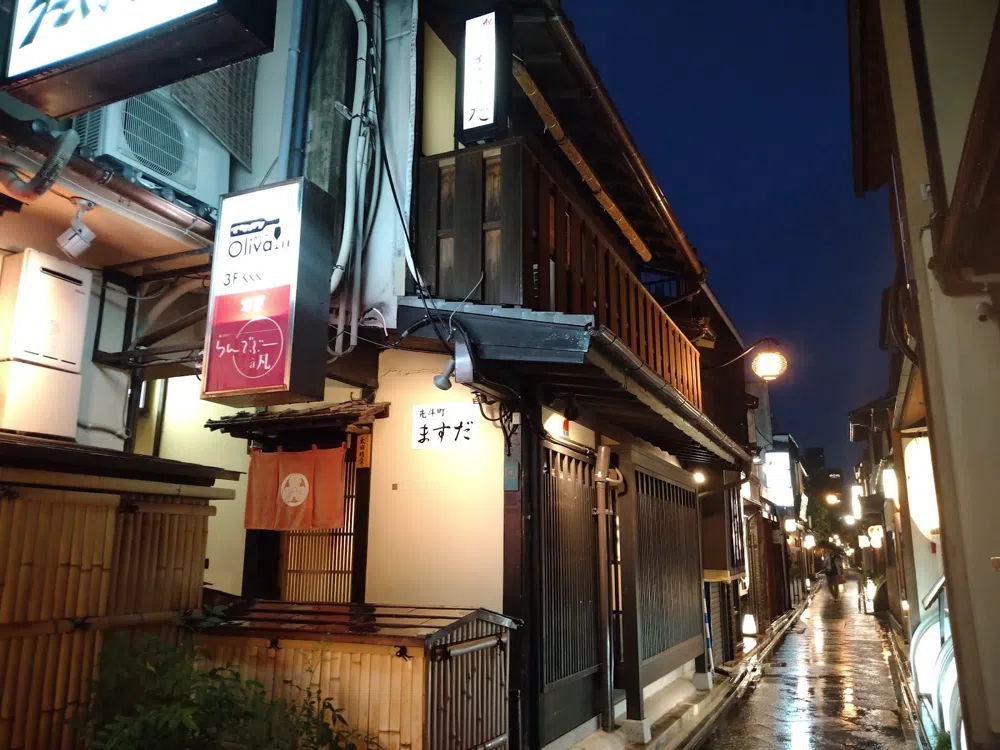
A Winter Kaiseki Trail Through Kyoto's Ponto-chō Lanterns
A route through eleven kaiseki tables in and around Kyoto's lantern-lit Ponto-chō alley, from easy group ryotei to a three-Michelin-star pilgrimage, built for planning real winter bookings.
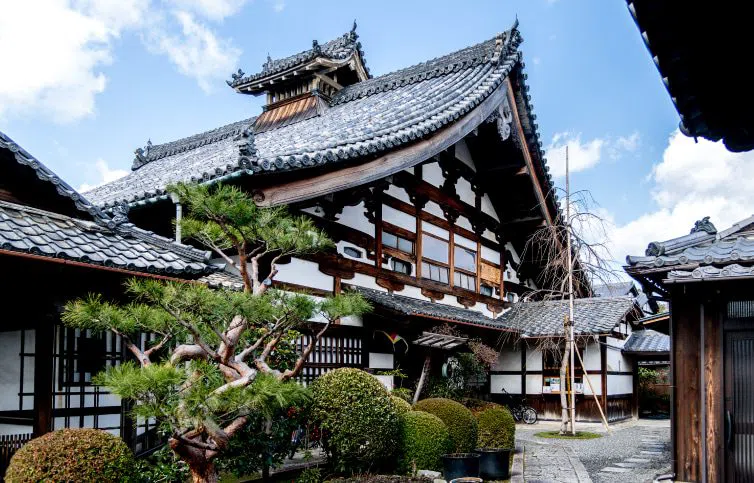
Kyoto's Temple Lodgings: Sleeping in a Shukubo and the Monastic Morning Rituals
A grounded, door-policy-honest guide to booking a night inside a working Kyoto monastery, from fully English-language Zen instruction to private single-group temple houses.
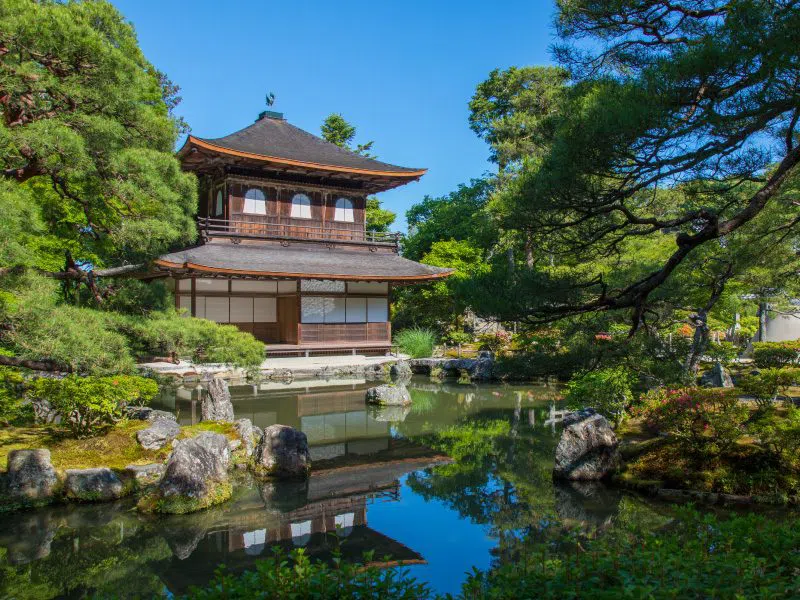
The Philosopher's Path in Four Seasons: Kyoto's Stone Canal Walk and the Temples Along It
A grounded, season-by-season route along Kyoto's most meditative two kilometres, from the Silver Pavilion to Nanzen-ji's aqueduct, with the temples, shrines, and lunch stops that actually earn a detour.
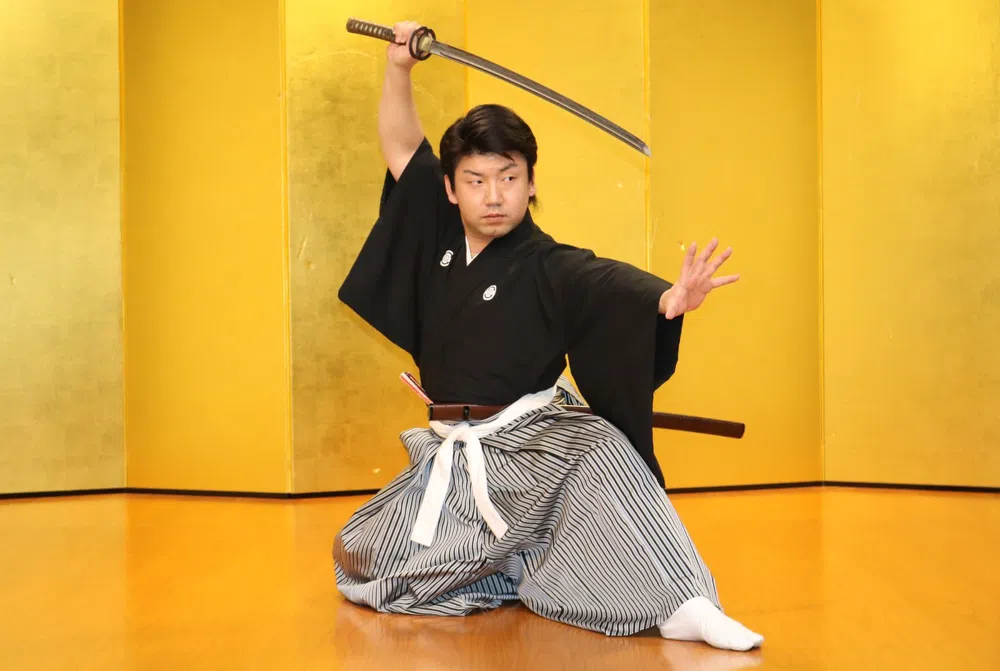
The 48-Hour Samurai and Sumo Circuit: Kyoto's martial arts arenas
A working guide to Kyoto's real dojos, sword stages and sumo dinner-shows in 2026 — what's genuine, what's theater, and how to book each in a single weekend.
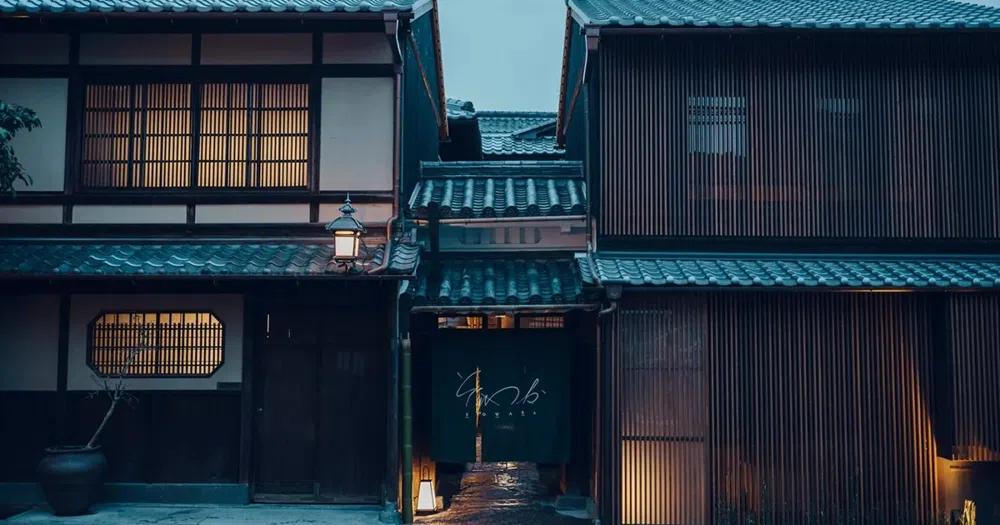
The Wooden Bones of Kyoto: Inside the Machiya That Refuse to Vanish
A slow, honest guide to sleeping, eating and working inside Kyoto's endangered wooden townhouses — and which ones actually suit couples, families and groups.
Where to base yourself
The neighborhoods
01
Gion & Higashiyama
For Those seeking classic Kyoto atmosphere. The trade-off is extreme daytime crowding and strict photography bans on private side streets.
The historic heart of Kyoto, characterized by preserved wooden machiya townhouses, stone-paved streets, and traditional teahouses.
Where to stay — High-end ryokans and luxury boutique hotels hidden in quiet alleys.
02
Downtown (Kawaramachi & Karasuma)
For Travelers who prioritize convenience, shopping, and diverse dining options. The trade-off is a lack of historic charm.
The commercial and retail hub of the city, filled with department stores, covered shopping arcades, and modern dining options.
Where to stay — Modern mid-range hotels and stylish design hostels.
03
Arashiyama
For Nature lovers and those looking for a slower pace. The trade-off is that it is far from the city center and gets heavily congested by midday.
A scenic district on the western outskirts, framed by forested mountains and the Oi River.
Where to stay — Luxury riverside retreats and traditional hot-spring ryokans.
04
Fushimi
For Sake enthusiasts and those looking to escape the central crowds. The trade-off is a longer commute to northern sights.
A historic sake-brewing district in the south, defined by traditional wooden breweries and willow-lined canals.
Where to stay — Unpretentious business hotels and local guesthouses.
05
Kita (Northern Kyoto)
For Travelers seeking tranquility and authentic Zen architecture. The trade-off is poor subway access, requiring reliance on buses or taxis.
A quiet, residential area home to some of the city's most significant Zen temples and gardens.
Where to stay — Quiet residential rentals and secluded luxury resorts.
06

Okazaki (Sakyo-ku)
For Art lovers and families who appreciate wider streets and a slower, more intellectual pace. The trade-off is limited nightlife.
A spacious cultural district filled with museums, wide canals, and large shrine gates.
Where to stay — Elegant mid-range hotels and quiet residential guesthouses.
Book direct
Book a hotel in Kyoto
Loading live availability and real-time prices…
Where to eat
Dining
Gion Uokezushi U
€€€Gion
Famous for serving perfectly grilled, sweet-savory freshwater eel (unagi) in traditional, handmade cedar buckets.
Signature — Uoke (Eel over rice served in a cedar bucket)
Sushi Matsumoto
€€€€Gion
Offers exceptional, Michelin-caliber Edomae-style sushi with perfectly seasoned, warm red-vinegar rice.
Signature — Chef's Omakase Course
Izuju
€€Gion
A century-old institution specializing in traditional Kyoto-style sushi, which focuses on cured and pressed fish rather than raw cuts.
Signature — Saba-zushi (Cured mackerel sushi wrapped in kelp)
Hafuu Honten
€€€Gosho Minami
A legendary spot run by a former butcher, serving incredibly tender wagyu beef in a casual, counter-style setting.
Signature — Wagyu Beef Cutlet Sandwich
Mishima-tei
€€€€Sanjo
Operating since 1873, this historic restaurant serves premium wagyu cooked in a sweet soy-sauce sukiyaki style in private tatami rooms.
Signature — Premium Sukiyaki Course
Yakiniku Hiro
€€Karasuma
A highly reliable local chain offering top-tier cuts of beef for table-side charcoal grilling at reasonable prices.
Signature — Chateaubriand and Assorted Wagyu Platters
Menami
€€Sanjo
An exceptional, modern izakaya specializing in beautifully presented Obanzai dishes made from local heirloom vegetables.
Signature — Seasonal Obanzai Platter
Gyoza Hohei
€Gion
A tiny, lively spot famous for its thin-skinned, bite-sized gyoza that draw long lines of locals and visitors alike.
Signature — Ginger Gyoza (served without garlic)
Sumiya Kihei
€€Downtown
A cozy, charcoal-grill izakaya serving exceptional yakitori and seasonal grilled vegetables paired with an extensive sake list.
Signature — Tsukune (Chicken meatball skewer with raw egg yolk)
Hyotei
€€€€Okazaki
A legendary three-Michelin-starred restaurant operating for over 400 years, offering an unparalleled, historic kaiseki experience next to Nanzen-ji.
Signature — Hyotei Tamago (Perfectly soft-boiled marinated egg)
Kikunoi Honten
€€€€Higashiyama
Led by master chef Yoshihiro Murata, this world-renowned establishment offers theatrical, seasonal kaiseki in a stunning garden setting.
Signature — Seasonal Kaiseki Tasting Menu
Gion Sasaki
€€€€Gion
A modern, innovative take on kaiseki served at a long wooden counter, breaking traditional boundaries with playful flavor pairings.
Signature — Chef's Creative Counter Omakase
Ramen Sen-no-Kaze
€Kawaramachi
Famous for its incredibly smooth, creamy pork-bone (tonkotsu) broth that is rich without being overly greasy.
Signature — Kyo-no-Shio Ramen (Salt-based pork broth)
Katsukura
€€Sanjo
A premium tonkatsu spot where you grind your own sesame seeds to mix with their rich, spiced dipping sauce.
Signature — Premium Sangen Pork Cutlet
Shigetsu
€€Arashiyama
Located inside the beautiful grounds of Tenryu-ji Temple, serving fully vegan Zen meals overlooking a pristine garden.
Signature — Shojin Ryori Multi-course Set
Mumokuteki Cafe
€€Downtown
A trendy, plant-based cafe serving comforting vegan burgers, grain bowls, and dairy-free desserts in a rustic loft space.
Signature — Vegan Avocado and Soy-Meat Katsu Burger
After dark
Nightlife
Club Metro
Marutamachi
One of Japan's longest-running underground clubs, hosting cutting-edge electronic music, art shows, and indie nights in a converted subway station basement.
World Kyoto
Kawaramachi
The city's premier mainstream club, featuring international DJs, impressive light shows, and multiple rooms playing electronic dance music.
Chambers
Kiyamachi
A popular, multi-genre club known for its welcoming atmosphere, cheap drinks, and international crowd.
Bar Rocking Chair
Kawaramachi
An award-winning cocktail bar set in a restored machiya, featuring a real fireplace and rocking chairs facing a small garden.
L'Escamoteur
Miyagawacho
A whimsical, multi-sensory cocktail bar designed like a turn-of-the-century French apothecary, featuring theatrical drink presentations.
In the Moon
Gion
A sleek, open-air rooftop bar offering panoramic views of the Kyoto skyline and the surrounding mountains.
Taku Taku
Shimogyo
A legendary live house operating inside a historic wooden sake storehouse, hosting blues, rock, and folk acts since the 1970s.
Le Club Jazz
Sanjo
An intimate, classic jazz club hosting local and touring musicians for nightly jam sessions and sets.
Live Spot Rag
Sanjo
A long-running, professional venue hosting high-quality jazz fusion, rock, and acoustic performances paired with a full food menu.
Art & history
Culture
Kyoto National Museum
Higashiyama
Houses an incredible collection of pre-modern Japanese art, including national treasures, calligraphy, and archaeological artifacts.
Kyoto City KYOCERA Museum of Art
Okazaki
A stunning architectural fusion of a historic 1930s building with sleek, modern glass additions, hosting world-class contemporary art exhibitions.
Kyoto International Manga Museum
Karasuma
Housed in a former elementary school, this museum features a massive wall of manga that visitors can read on the grassy lawns.
Fushimi Inari Taisha
Fushimi
The iconic mountain shrine dedicated to the Shinto god of rice, famous for its winding pathways of thousands of vermilion torii gates.
Kinkaku-ji (The Golden Pavilion)
Kita
A Zen temple whose top two floors are completely covered in gold leaf, reflecting beautifully over a mirror-like pond.
Nijo Castle
Nakagyo
The historic residence of the Tokugawa Shoguns, featuring beautiful gardens and 'nightingale floors' designed to chirp like birds to warn of assassins.
Kahitsukan (Kyoto Museum of Contemporary Art)
Gion
A serene, multi-story gallery showcasing modern Japanese paintings, photography, and ceramics, topped with a beautiful rooftop moss garden.
Sfera
Gion
A sleek, modern design gallery and store showcasing contemporary Japanese crafts, furniture, and household items.
Imura Art Gallery
Sakyo
A leading contemporary gallery focusing on emerging local artists who utilize traditional Japanese techniques in modern ways.
Book ahead
Top-rated experiences in Kyoto

Private Tea Ceremony and Sake Tasting in Kyoto Samurai House
from $128

Kyoto Gion Walk with Local: Culture & Geisha World
from $22

Gion Night Tour Stories of Geisha and Maiko
from $28

Private car tour in Kyoto (up to 4)
from $288

Become a Samurai Movie Star in Kyoto by Filming with a Real Actor
from $127

Kyoto: Zen Garden, Zen Mind (Private)
from $420

Kyoto: Zen Meditation at a Private Temple with a Monk
from $96

Near Fushimiinari: Kyoto Home Cooking Class & Supermarket tour
from $122
Prices from Viator; we may earn a commission when you book — at no extra cost to you. Tours are sold and operated by Viator, the merchant of record. Ratings are collected by Viator and Tripadvisor.
Timing
When to visit
Spring
Late March to mid-April brings the cherry blossoms. The city is undeniably beautiful but heavily congested, with premium accommodation rates and crowded transit.
Summer
June to August is hot and humid. However, July features the historic Gion Matsuri festival, and restaurants along the Kamogawa River set up elevated wooden platforms for cool outdoor dining.
Autumn
November brings brilliant maple foliage. Temples host special evening illuminations, making it as popular and crowded as the spring cherry blossom season.
Winter
December to February is cold and quiet. Temples are peaceful, booking popular restaurants is significantly easier, and a dusting of snow on the wooden temples is spectacular.
What it costs
Budgeting
Logistics
Getting around
From the airport
From Kansai International Airport (KIX), the JR Haruka Express train runs directly to Kyoto Station in approximately 75 minutes. Alternatively, airport limousine buses offer a direct route to major hotels in the city center.
Public transit
The city has two subway lines (Karasuma and Tozai) which are fast and efficient but limited in reach. An extensive bus network covers almost every major sight, though buses frequently get stuck in heavy traffic during peak tourist seasons.
Passes & tickets
The Subway & Bus One-Day Pass (€-€€) offers unlimited rides on both networks and is highly recommended to avoid purchasing individual tickets.
On foot
Central Kyoto is flat and laid out on a grid system, making it highly walkable. However, major temples and shrines are spread out along the eastern and western hills, requiring transit between districts.
Travel smart
Safety & etiquette
Local etiquette
- •Do not touch, chase, or harass geiko or maiko on the streets.
- •Do not take photos on private streets in Gion; look for the clearly posted 'No Photography' signs to avoid heavy fines.
- •Always remove your shoes when entering temples, traditional accommodations, or homes, swapping them for the provided slippers.
- •Do not walk while eating; consume street food near the stall where you purchased it.
From the ground
Practical tips
1
Rent a bicycle to bypass congested bus routes and explore flat central areas quickly.
2
Carry cash; many small temples, traditional restaurants, and street food stalls do not accept credit cards.
3
Wear slip-on shoes, as you will be taking them off constantly to enter temples and traditional venues.
4
Use the subways or local trains instead of buses during peak cherry blossom and autumn foliage seasons to avoid gridlock.
5
Book special temple visits, like the Saiho-ji Moss Temple, months in advance via their official website.
6
Keep a small trash bag in your daypack, as public trash cans are virtually non-existent in the city.
7
Look for the 'No Photography' signs in Gion's private alleys to avoid hefty fines from local neighborhood associations.
Kyoto FAQs
How do I avoid the crowds at major temples?
Arrive at dawn. Major outdoor sites like Fushimi Inari and Kiyomizu-dera are open early or 24/7, allowing you to explore in peace before tour buses arrive at 9:00 AM.
Is it necessary to book restaurants in advance?
Yes, absolutely. Popular izakayas, kaiseki spots, and high-end sushi restaurants often book out weeks in advance, especially during cherry blossom and autumn foliage seasons.
Can I see geishas in Kyoto?
Yes, you may spot them walking to appointments in Gion or Pontocho in the early evening, but you must respect their space and never block their path for photos.
How many days do I need in Kyoto?
At least three full days are recommended to cover the eastern, western, and central districts without rushing.
Is Kyoto English-friendly?
Most major tourist sites and central restaurants have English menus and signs, but learning basic Japanese phrases is highly appreciated by locals.