The Kyoto issue
The Best Hands-On Cultural Workshops in Kyoto
From whisking your own matcha to forging a knife with a working swordsmith, here is how to spend real time inside Kyoto's living crafts in 2026 — with honest notes on booking, groups and price.
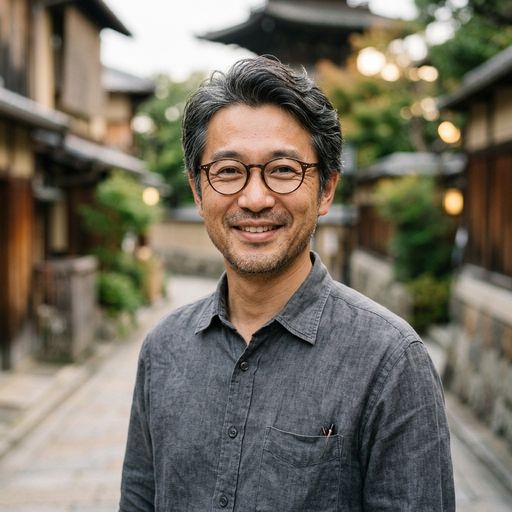
By Tomas AlmeidaKyoto's temples, backstreets and slow mornings
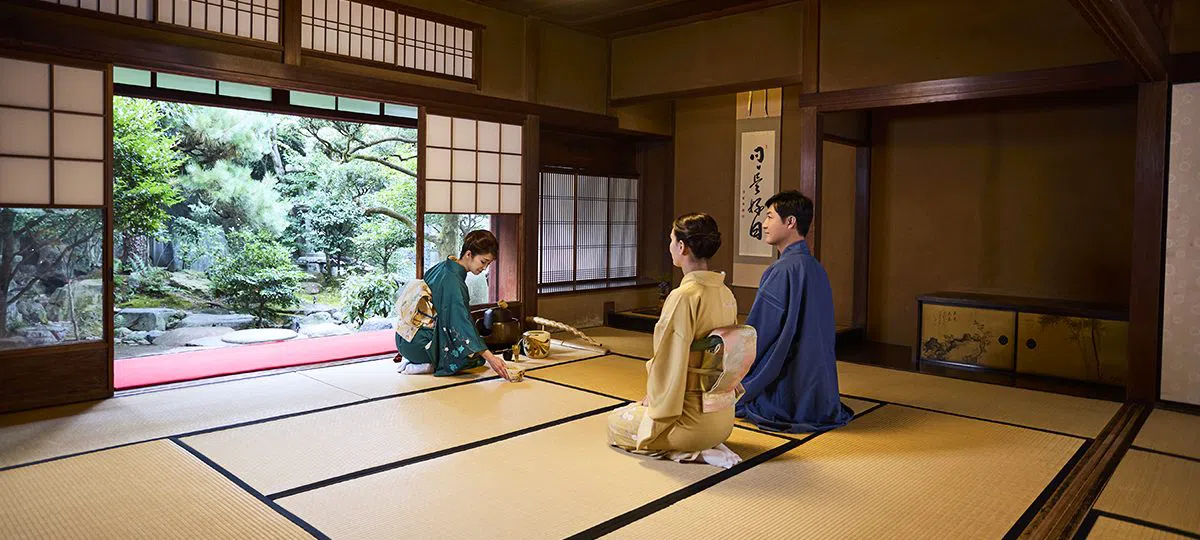
Kyoto rewards the traveller who slows down. The city spent a thousand years as Japan's capital, and that long apprenticeship shows in the way it still makes things by hand — tea whisked to a jade froth, silk dyed in indigo vats, blades hammered at a forge that has not changed its rhythm in generations. You can walk the temple circuit in a couple of days, but the more lasting memory tends to be the afternoon you actually did something: your fingers cold with river-clay, or your own incense cooling in a paper twist. What follows is a considered guide to the workshops worth your time in 2026, grouped the way you might actually plan them — around a neighbourhood, a morning of light, a particular appetite.
A word before you start. Kyoto's best hands-on experiences are small by design, and the good ones book out well ahead in the spring cherry season and the autumn maples. Treat a reservation the way you would a restaurant table, not a museum ticket. If you are still fixing your base, the Kyoto hotel search is the sensible first move, because the difference between a room in central Nakagyo and one out by the station is an hour of your day.
Tea, and the sweets that go with it
The tea ceremony is where most people begin, and rightly — it is the clearest window into how Kyoto thinks about attention and season. Just know that the experiences vary widely in tone, from friendly introduction to something closer to the real discipline.
Kimono Tea Ceremony MAIKOYA Nishiki (central Kyoto, with a second Karasuma-Shijo location) is the reliable crowd-pleaser, and I mean that as a compliment. It was built for groups, running small-group and private sessions daily from nine in the morning until half past seven, and it folds two experiences into one hit: you whisk your own matcha and you are dressed in kimono, hair styling included if you add it. It is English-guided throughout, which makes it an ideal first cultural session for a mixed party or a family finding its feet. Reckon on roughly ¥6,000 to ¥9,000 per person once you factor the add-ons, and pre-book, especially in spring and autumn. Purists will tell you it is a warm introduction rather than a formal ceremony, and they are right — but that is exactly what many first-time visitors want.
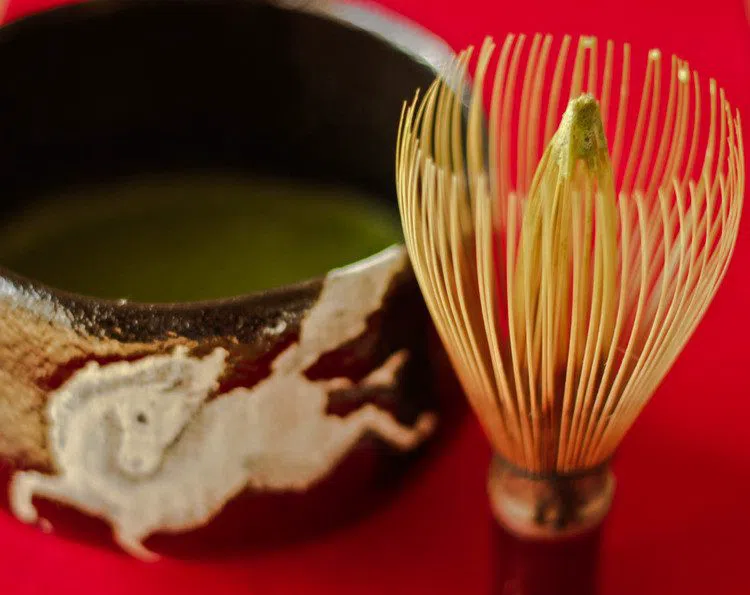
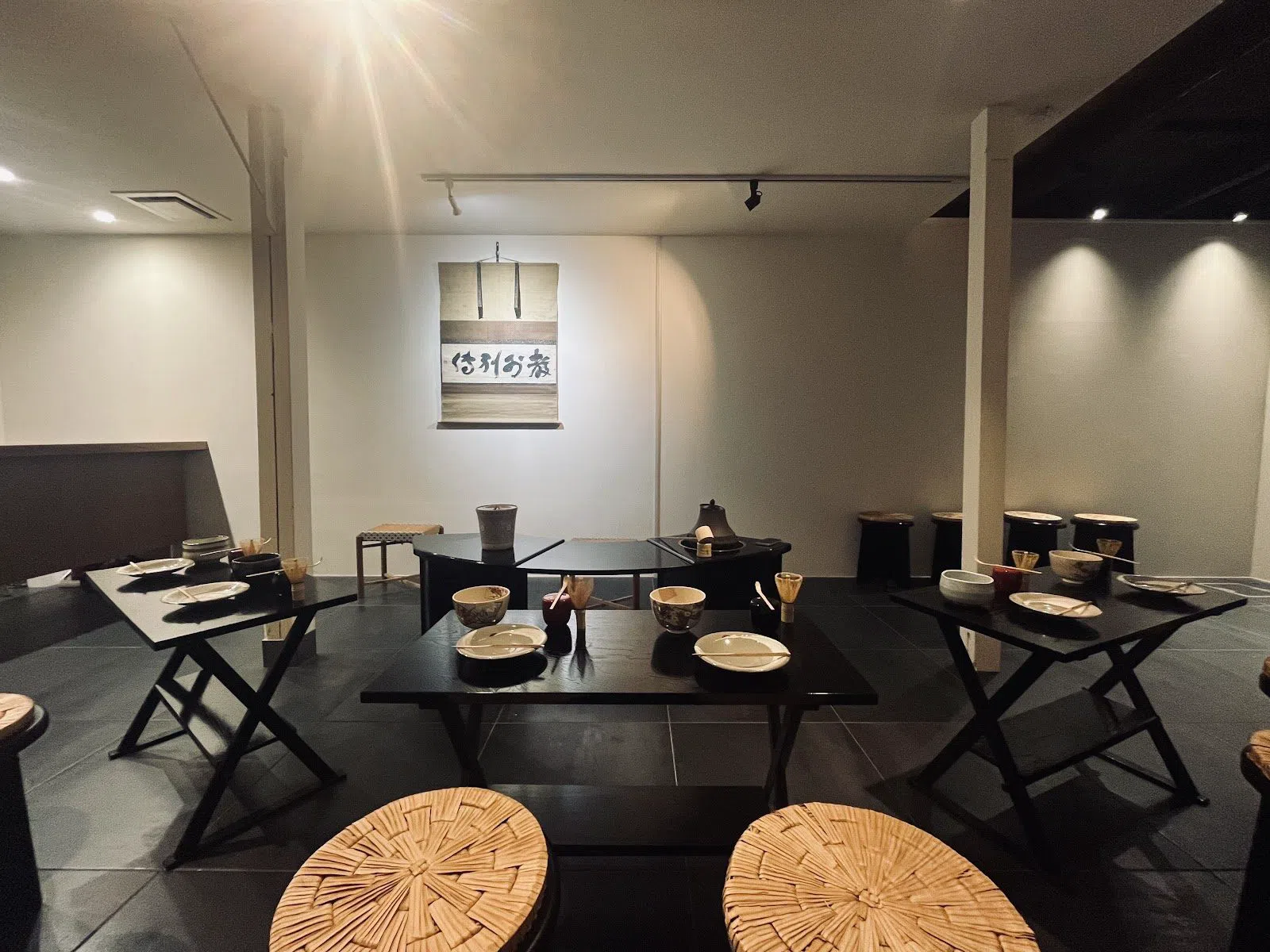
For a step up in authenticity, cross the city to Camellia Flower Teahouse in Higashiyama. The 45-minute ceremony here is performed in fluent English by hosts trained in Kyoto's own tea schools, and the Higashiyama setting slots neatly into a day that already takes in Kiyomizu-dera and Gion — you can arrive on foot between the two. It takes small groups and private bookings, there is a larger Garden branch sitting opposite Ryoan-ji if you are out west, and a new Annex opens on 5 March 2026 for those travelling later in the year. At roughly ¥3,000 to ¥4,500 per person it is also gentler on the wallet than the kimono-and-tea combinations, while giving you more of the ceremony's actual texture.
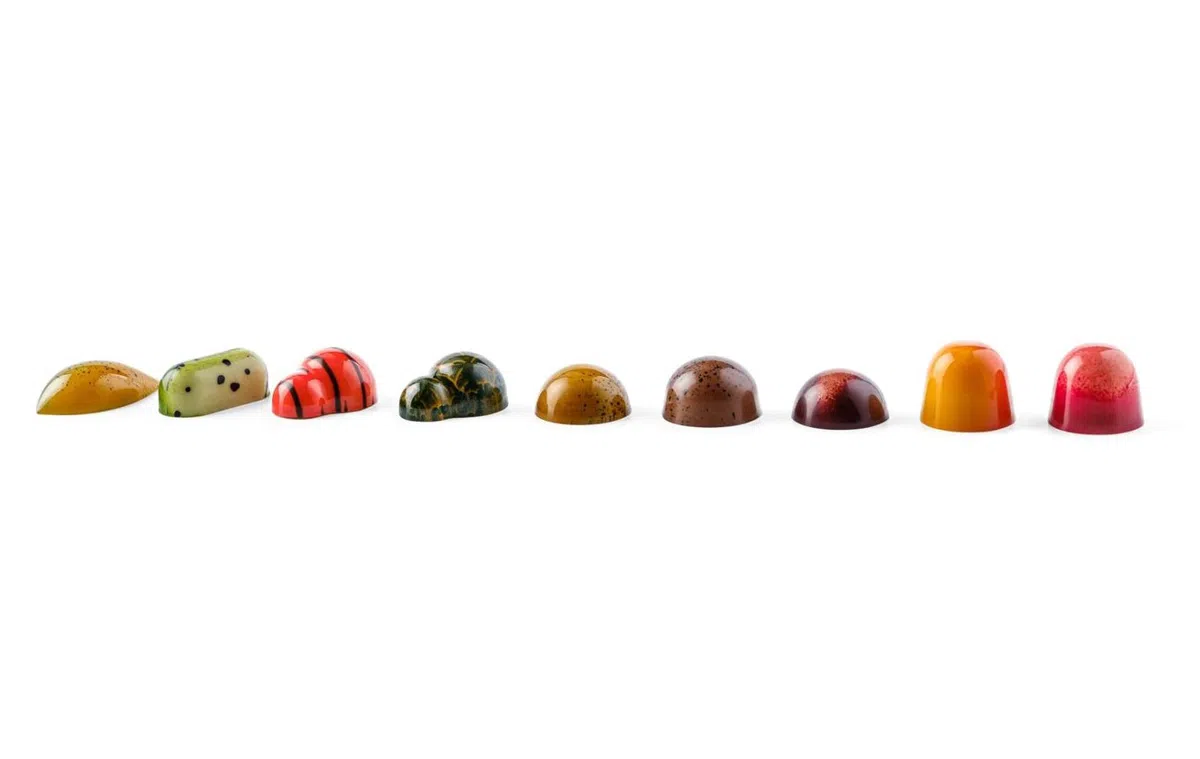
Tea has a natural companion, and it is the Wagashi Making Experience at MAIKOYA (central Kyoto). Wagashi are the seasonal sweets served alongside matcha — small, sculptural, quietly seasonal — and here you shape and then eat your own over about 75 minutes, matcha included. It is genuinely tactile and, yes, photogenic, and it explicitly runs group sessions, which makes it forgiving for children and mixed-ability parties. English-led, around ¥3,700 to ¥6,000 per person (roughly £20 to £33), and best booked a few days ahead. Paired with a tea ceremony either side of lunch, it makes a satisfying half-day that never feels like a queue.
Plan your Kyoto trip
Live prices from our booking partners.
Free cancellation on many rooms. We may earn a commission when you book.
Into the kitchen
Kyoto's food culture is subtle — it leans on dashi, on restraint, on the seasons — and two very different classes let you cook rather than merely taste.
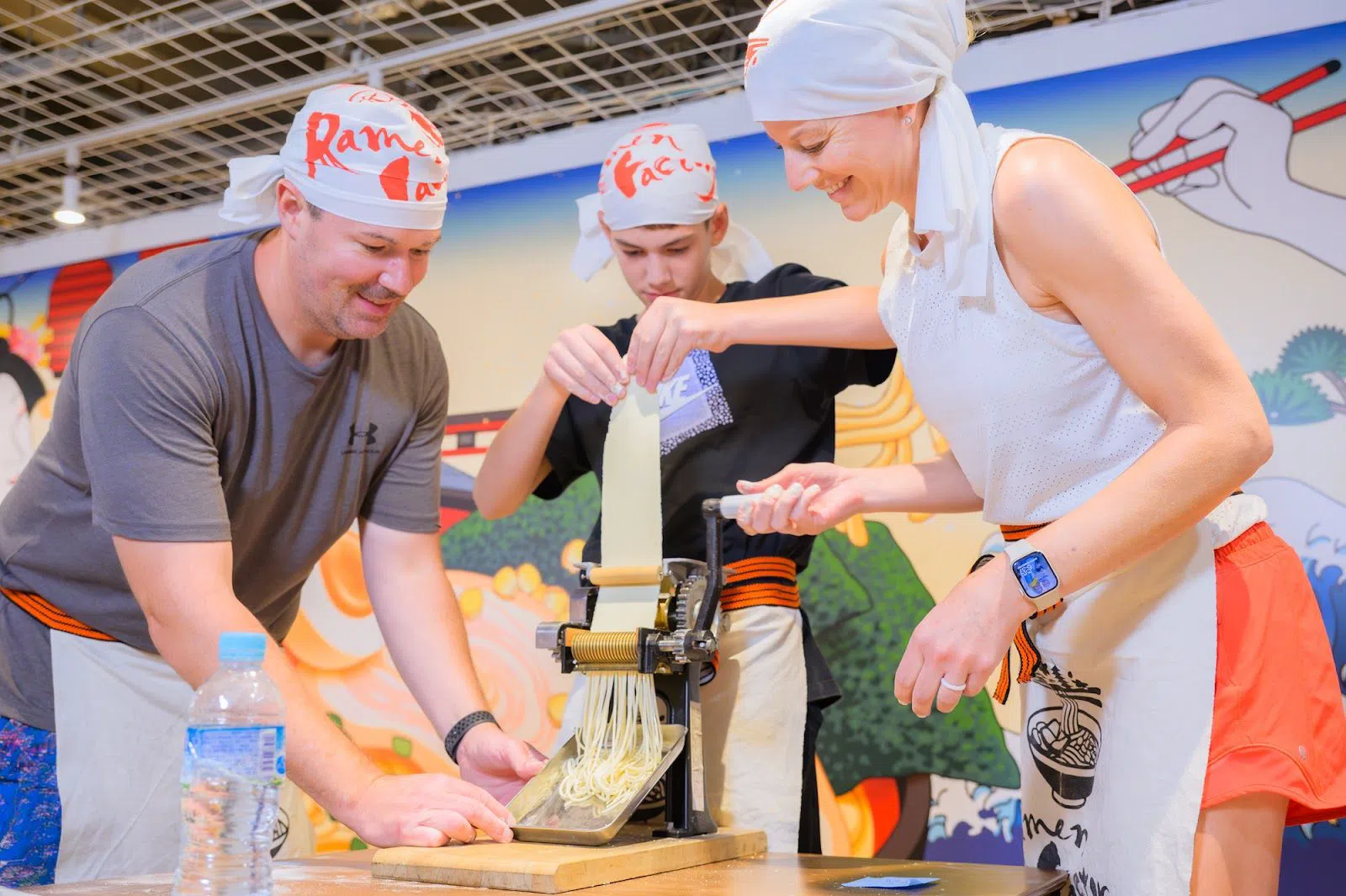
Ramen Factory Kyoto (central Kyoto) is the more sociable of the pair, and the more surprising. You make ramen genuinely from scratch here — the noodles, the broth and the toppings — not the assembly-line version that passes for a class elsewhere. It is small-group and family friendly, halal-certified, with vegetarian and vegan options on request, which quietly solves the problem of feeding a group with mixed dietary needs. From around ¥7,500 per person (about £40), open daily from eleven until seven, and here is the catch worth heeding: it books out roughly a month ahead, so this is one to lock in before you fly.
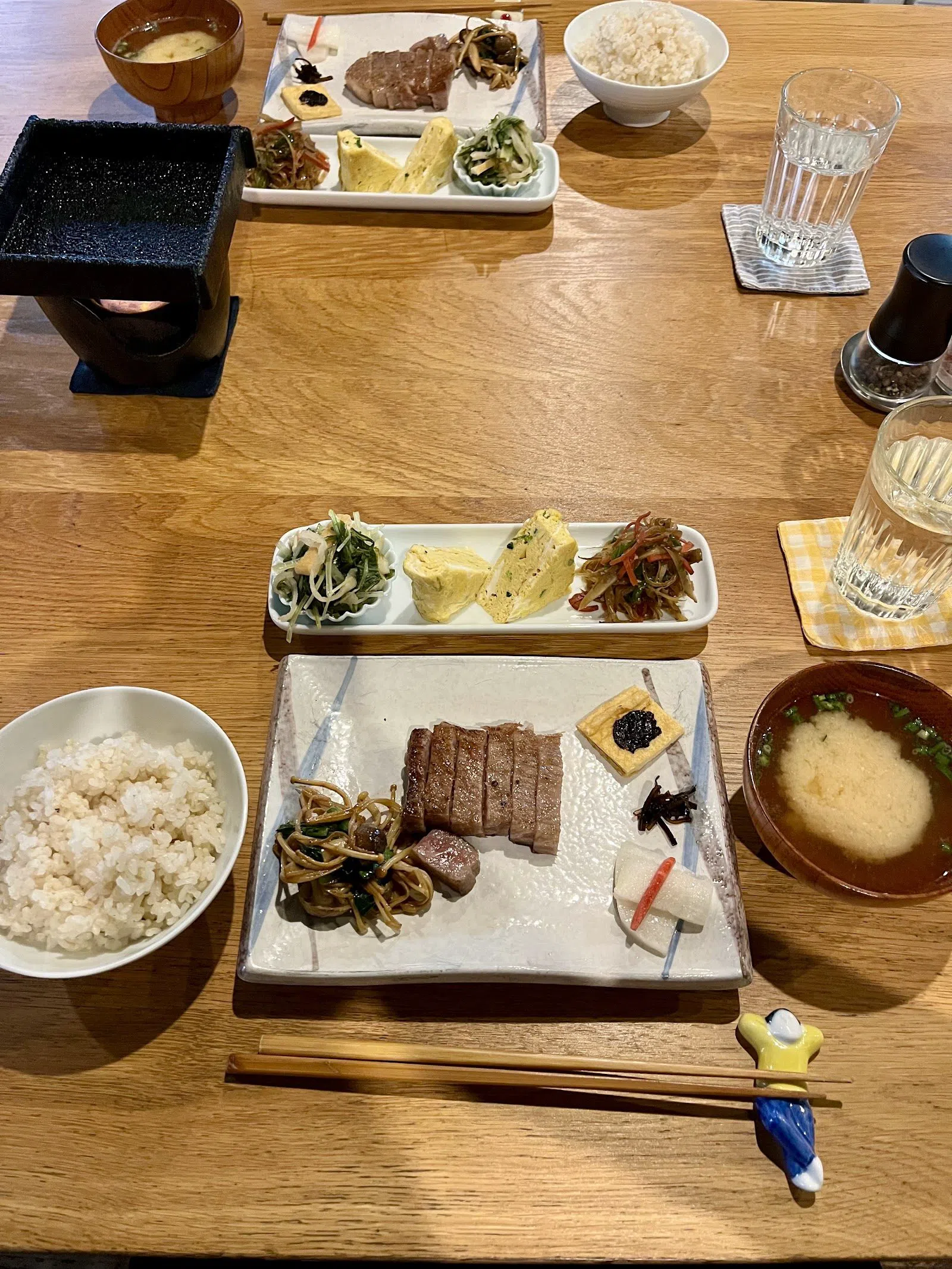
For something quieter and more personal, Haru Cooking Class (a small home kitchen in Kyoto) is where I would send a couple who care more about warmth than spectacle. Taro cooks alongside just two to six guests in his own home, which sets an intimate register you cannot get in a commercial studio. The focus is real washoku, with a strong vegetarian and dashi thread that lands well with UK palates and dietary requirements, plus Kobe-beef and Nishiki Market options if you want them. It runs from roughly ¥9,000 to ¥13,000 per person — more than the group classes, but you are paying for the small numbers and the home setting, and it is worth it for the right traveller. This is not the choice for a large, boisterous party; it is the choice for people who want to talk.
Craft you can carry home
Some of Kyoto's most rewarding workshops end with an object in your hands — a scarf, a pot, a paper twist of incense — and these tend to be the memories that outlast the photographs.
Zuikou Pottery Experience (Taiken Kiyomizu, a short walk from Kiyomizu-dera) puts you at the wheel to throw Kiyomizu-ware in the very district that gave the pottery its name, with the temple pagoda close enough to frame the afternoon. It is one of the more group-capable studios, taking anywhere from one to thirty people, at roughly ¥2,900 to ¥6,900 per person. The one thing to plan for: your finished pieces are fired and posted on afterwards, so UK visitors should factor in shipping and a wait rather than expecting to walk away with the pot the same day.
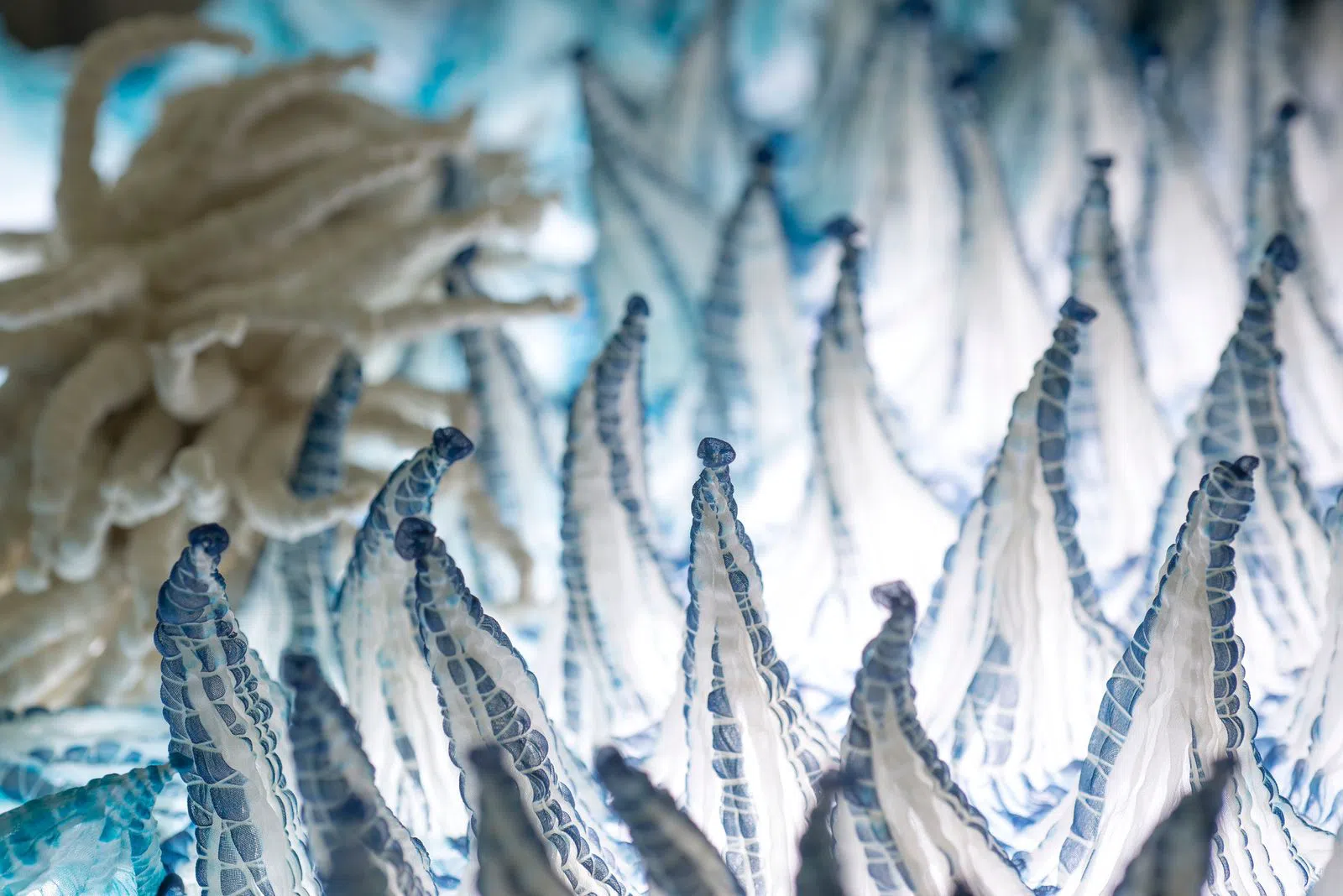
If a same-day take-home matters, Kyoto Shibori Museum (central Kyoto) is the answer. Its walk-in itajime classes have you tie-dyeing a silk scarf you can wear that evening, guided by English-speaking staff, for around ¥2,000 to ¥4,000. It accommodates groups and larger bookings, suits all ages, and — unusually for Kyoto — does not demand you book weeks ahead, which makes it a genuinely useful option when a plan falls through or the rain sets in.
For a calmer, more contemplative hour, Shoyeido Kunjyukan (central Kyoto) opens the doors of a centuries-old Kyoto perfume house so you can blend your own incense. It is a deliberate, sensory contrast to the louder activities — a museum and workshop rolled together, English-supported, around ¥2,000 to ¥3,000 per person. Sessions and the factory tours need arranging in advance, so reserve about a week ahead; this is not a walk-in.
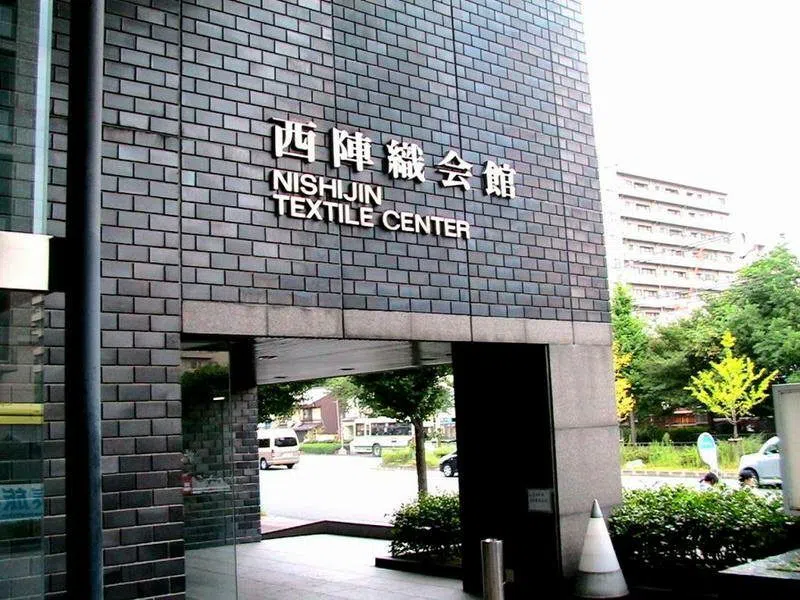
The city's silk-weaving heritage lives in the Nishijin Textile Center (the Nishijin district). Here you can sit at a small hand-loom for a weaving session at roughly ¥2,200 per person, and wander the free kimono and textile displays and the periodic shows around it. It is a gentle, low-cost introduction to the Nishijin tradition that clothed the imperial court, and it is group-friendly. I will be honest: the venue leans touristy and the weaving is an introduction rather than a deep dive, so I would treat it as a good filler for a craft-focused half day rather than the centrepiece.
Blades, armour and the warrior tradition
The martial side of Kyoto's heritage draws a crowd, and there is a wide gulf between the two options here — one is entertainment, the other is the real thing.
SAMURAI NINJA MUSEUM KYOTO with Experience (central Nakagyo) is the lively, family-friendly choice. Guided group tours run in English daily from around nine, and the hands-on shuriken and sword add-ons plus the armour try-on make it a genuinely fun option for bigger parties and children. Entry starts at about ¥3,500, rising to ¥20,000 and beyond for the fuller training experiences. Set your expectations correctly and you will enjoy it: this is an entertaining introduction, not a scholarly museum.
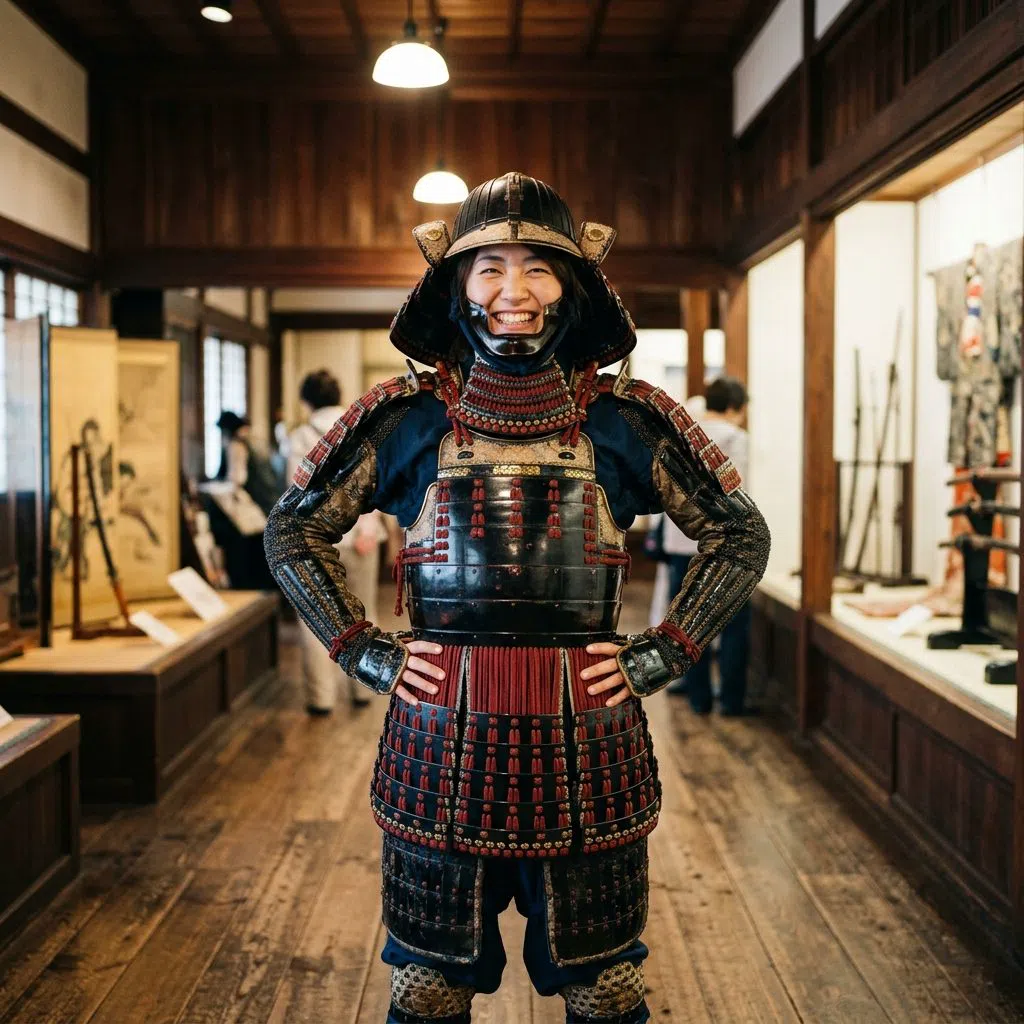
At the other extreme sits Masahiro Tanjojo Sword Forge in Kameoka, about half an hour outside the city. This is the real deal — you forge and take home your own knife alongside an active traditional swordsmith, over roughly four hours. It is a bucket-list splurge, priced accordingly at around ¥30,000 and up per person, with an interpreter advised (about ¥19,500 for a half-day) because the smith's English is limited. Numbers per session are small, which makes it right for keen couples or a small, committed group and wrong for a large party looking to fill an afternoon. If working metal with your own hands is the thing you have always wanted to do, this justifies the train ride and the cost.
A sake coda in Fushimi
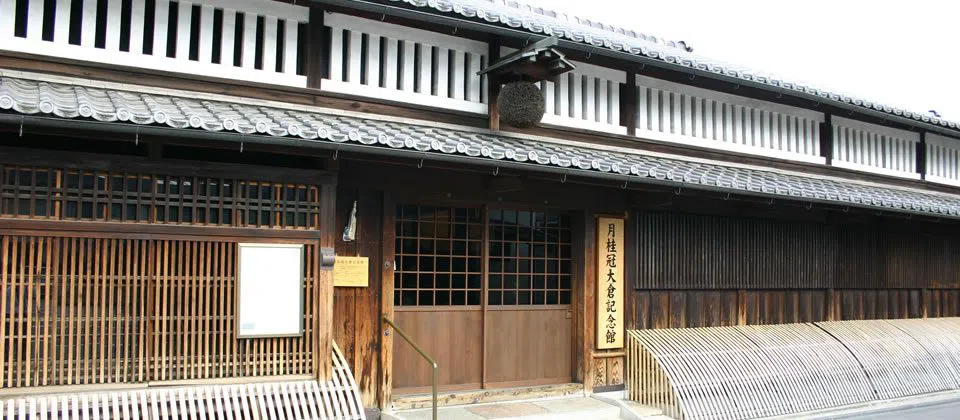
South of the centre, the Fushimi district has brewed sake for centuries on its soft spring water, and it makes a lovely late-afternoon coda to a craft-heavy day. The Gekkeikan Okura Sake Museum (Fushimi) is the atmospheric anchor — a beautiful old kura brewery building on the canal, open from half past nine until half past four, with roughly ¥600 admission that includes a three-sake tasting. It is self-guided and light on hands-on involvement, so if you want an English-led group experience, pair it with one of the guided Fushimi brewery walking tours (around ¥5,000 to ¥9,000). Either way, the setting and the tasting reward the short train hop.
Practicalities
Getting around. Kyoto is compact but its sights are spread. The central clusters — Nakagyo, Nishiki, Karasuma-Shijo — are walkable, and the bus network reaches Higashiyama and the temples; buy an IC card (Suica or ICOCA work fine) for buses and trains. Fushimi is a short ride south by Keihan or JR, and Kameoka for the sword forge is about thirty minutes out by train, so build the half-day around it rather than squeezing it between other plans.
Cash. Japan is more cash-friendly than card-friendly outside the big operators. The larger studios take cards, but carry enough yen for admissions, smaller workshops and the inevitable teahouse detour.
Timing and booking. Reserve the standouts — Ramen Factory (a month ahead), Haru, the sword forge, Shoyeido and any tea ceremony in spring or autumn — before you arrive. Keep the walk-in options, chiefly Kyoto Shibori and the Nishijin loom, as flexible fillers for a spare hour or a wet afternoon. Mornings tend to be calmer and the light kinder for the Higashiyama walk to Camellia and the pottery near Kiyomizu.
Budget. There is something here at every price. Under ¥3,000 gets you weaving, a scarf, incense or the sake museum; ¥3,000 to ¥9,000 covers the tea ceremonies, sweets, pottery and the group cooking and samurai experiences; the sword forge stands alone as the ¥30,000-plus splurge. Two well-chosen workshops a day is a comfortable rhythm without turning the trip into a checklist.
For where these sit alongside the temples, food and neighbourhoods, the full Kyoto guide is the place to plan the rest of your days.
Before you go
Which Kyoto workshops need booking well in advance?
Ramen Factory Kyoto books out about a month ahead, and Haru Cooking Class, the Masahiro Tanjojo Sword Forge and Shoyeido incense all need reserving early. Tea ceremonies at MAIKOYA and Camellia fill fast in spring and autumn, so pre-book those too.
Are there hands-on experiences in Kyoto I can just walk into?
Yes. The Kyoto Shibori Museum runs walk-in indigo scarf-dyeing classes, and the Nishijin Textile Center offers small hand-loom weaving sessions without booking weeks ahead — both are good options for a spare hour or a wet afternoon.
What's the best hands-on workshop in Kyoto for families or larger groups?
The Wagashi Making Experience at MAIKOYA and the Samurai Ninja Museum are built for groups and forgiving with children, while Zuikou Pottery takes up to thirty people. Ramen Factory Kyoto is family friendly and handles mixed dietary needs, including halal and vegetarian.
How much do cultural workshops in Kyoto cost in 2026?
Most fall between ¥2,000 and ¥9,000 per person — weaving, dyeing, incense and the sake museum sit at the lower end, tea ceremonies and pottery in the middle. The sword-forging experience is the splurge at roughly ¥30,000 and up.
Can I take home what I make at a Kyoto workshop?
It depends. You leave the Kyoto Shibori Museum with a wearable silk scarf the same day and forge your own knife at the Masahiro sword forge, but Zuikou pottery pieces are fired and posted on afterwards, so factor in shipping and a wait for UK visitors.